MONROVIA — The Central Bank of Liberia (CBL) has unveiled an unusually transparent approach to its proposed currency printing program, citing both legal requirements and public trust concerns as key drivers behind the disclosure.
At a press briefing on April 8, officials detailed the safeguards, oversight mechanisms, and global challenges shaping Liberia’s next phase of currency production.
Breaking with Tradition
Currency printing is typically treated as a national security matter, rarely discussed publicly. But in Liberia’s case, legal requirements compel the Bank to seek legislative approval before printing.
“Currency printing is a highly sensitive security issue,” said Musa Kamara. “But because it goes through the Legislature, it becomes a matter of public discussion.”

Strong Safeguards in Place
Officials emphasized that the process will be governed by strict accountability measures, including:
- Legislative authorization
- Independent audits
- Documented procurement procedures
- IMF oversight
“These safeguards ensure transparency and accountability throughout the process,” Kamara said.
The Legislature, officials noted, retains full authority to approve, monitor, and demand reports on the printing exercise.
Learning from the Past
Kamara referenced Liberia’s previous currency reform program, which involved international oversight and external partners to ensure compliance with global standards.
“We had international partners… and the process went on smoothly with no issues,” he said, noting that those same standards will guide the new exercise.
Global Supply Constraints
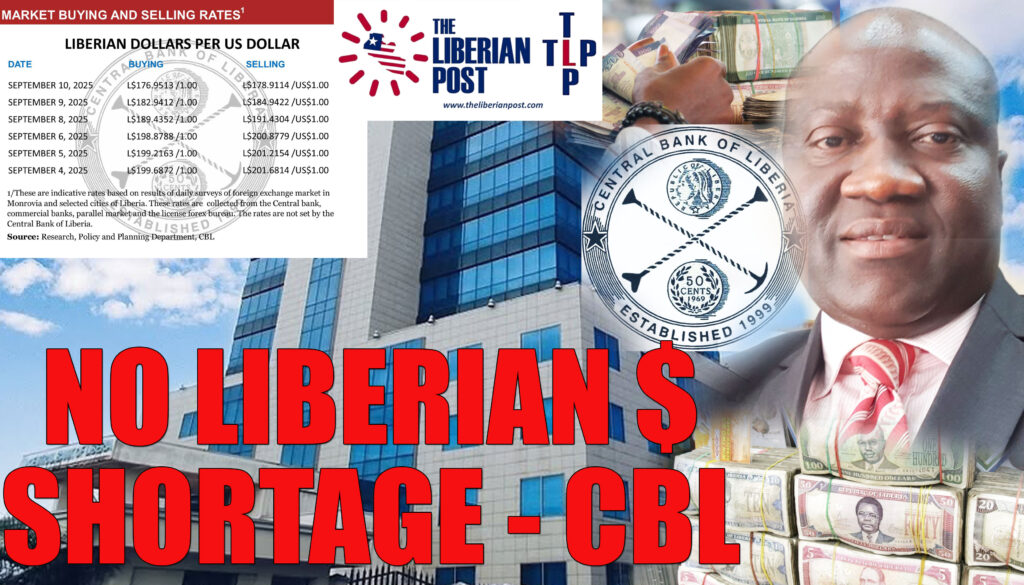
Beyond governance, officials revealed a pressing global challenge: currency printing capacity is under strain worldwide.
“Countries all over the world are now putting in requests for currency,” Kamara disclosed. “We may be looking at 12 to 24 months before receiving new banknotes.”
He warned that delays in initiating the process could leave Liberia vulnerable to future cash shortages.
A Two-Stage Procurement Strategy
To mitigate risks, the CBL plans a dual procurement approach:
- Emergency procurement for urgent needs
- Competitive bidding for long-term supply
This strategy is designed to balance urgency with transparency and cost efficiency.
Managing Public Trust
CBL officials acknowledged lingering public skepticism stemming from past controversies around currency printing.
“We are answerable to the public,” said communications head Alphanso Zeon, emphasizing the need for openness despite the sensitive nature of the exercise.
Preparing for the Future
Senior Director Christopher Wallace said the Bank is acting now to prevent future disruptions.
“We don’t want to reach a point where we don’t have enough cash in the system,” Wallace said.
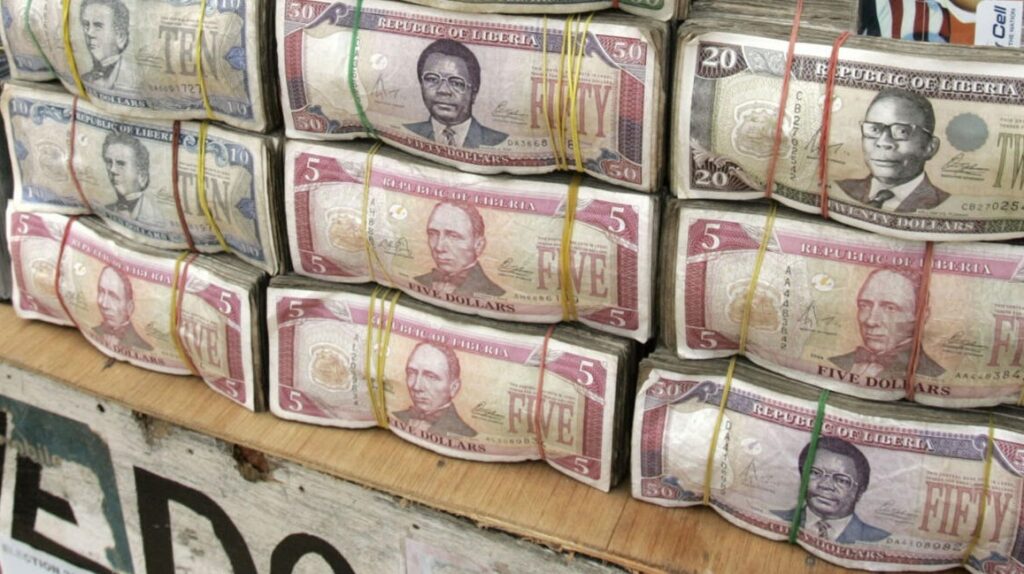
He noted that rising mutilation rates and growing economic activity make early planning essential.
The Stakes
With banknotes deteriorating and demand increasing, the CBL argues that the cost of inaction could be far greater than the risks associated with printing.
“This is about ensuring the wheels of the economy keep moving,” Wallace added.
As Liberia navigates both domestic economic realities and global supply constraints, the success of this process may ultimately hinge on one factor: public trust.
b