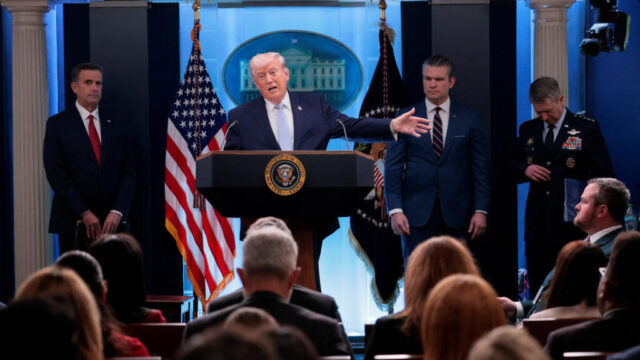
WASHINGTON/TEHRAN/TEL AVIV/ISLAMABAD — A fragile two-week ceasefire between the United States, Iran, and Israel has taken effect following intense last-minute diplomacy led by Pakistan, temporarily halting a conflict that has killed thousands and shaken global energy markets.
The announcement came just hours after U.S. President Donald Trump warned of catastrophic escalation, writing that “a whole civilization” could be lost as a self-imposed deadline for military action approached.
Brink of Escalation
In the hours leading up to the ceasefire, the situation on the ground deteriorated rapidly. Iranian infrastructure, including key bridges, railways, and the strategic Kharg Island—Tehran’s primary oil export hub—came under heavy strikes.
Casualty reports indicated multiple civilian deaths across affected areas, while Iranian authorities reportedly called on civilians to form human shields around critical infrastructure, underscoring the gravity of the moment.
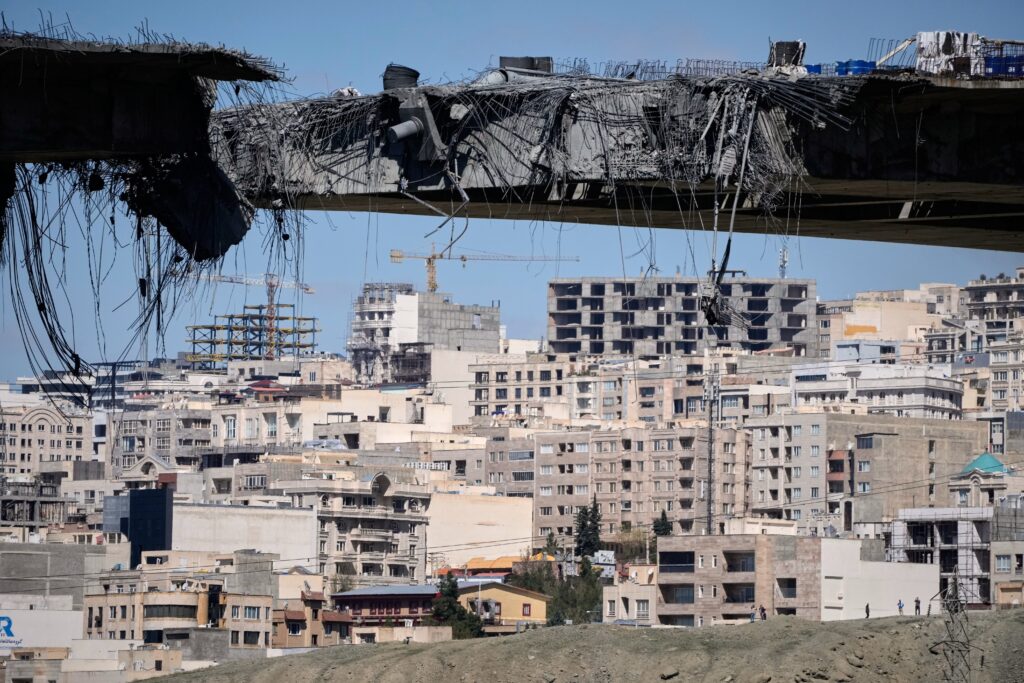
With tensions peaking and uncertainty surrounding potential U.S. escalation, global attention turned to Washington’s next move.
Pakistan Steps In
In a dramatic diplomatic intervention, Pakistani Prime Minister Shehbaz Sharif appealed directly to President Trump to delay further military action and allow negotiations to proceed.
“Diplomatic efforts are progressing steadily… I earnestly request President Trump to extend the deadline for two weeks,” Sharif stated publicly.
Trump, acknowledging his relationship with Sharif and Pakistan’s military leadership, agreed to suspend planned operations, marking a pivotal shift from imminent escalation to cautious de-escalation.
Terms of the Ceasefire
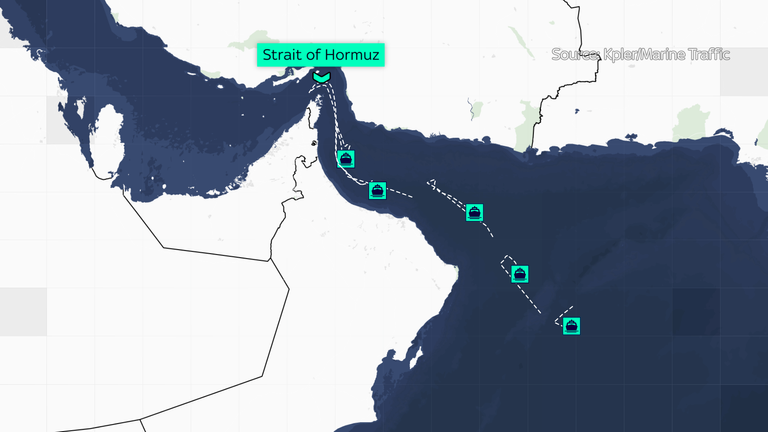
In announcing the pause, President Trump said the decision followed discussions with Sharif and Pakistan’s military leadership, and was contingent on Iran ensuring safe navigation through the Strait of Hormuz.
“This will be a double-sided ceasefire,” Trump stated, adding that the U.S. military had been ordered to halt all offensive operations immediately.
Iran, through Foreign Minister Abbas Araghchi, confirmed its conditional acceptance of the arrangement.
“For a period of two weeks, safe passage through the Strait of Hormuz will be possible,” Araghchi said, noting that Iranian forces would cease defensive operations if U.S. attacks stopped.
However, both sides appear to interpret key terms differently. While Washington indicated that Iran agreed to fully open the strategic waterway, Tehran maintains it retains control over the Strait—an ambiguity analysts warn could undermine the ceasefire.

Israel’s Position
Israel, led by Prime Minister Benjamin Netanyahu, endorsed the U.S.-brokered pause but clarified that its military operations would continue in other theaters.
“The two-week ceasefire does not include Lebanon,” Netanyahu’s office stated, signaling that hostilities involving Hezbollah remain ongoing.
Oil Markets React
Global markets responded immediately to the ceasefire announcement. U.S. crude oil prices dropped sharply—from over $114 to around $96 per barrel—reflecting a sudden easing of fears over supply disruptions through the Strait of Hormuz, a critical artery for global energy trade.
The decline effectively reversed weeks of price surges tied to the conflict.
Talks Ahead in Islamabad
Pakistan has positioned itself as a central diplomatic actor, announcing that follow-up negotiations aimed at securing a longer-term agreement will be held in Islamabad.
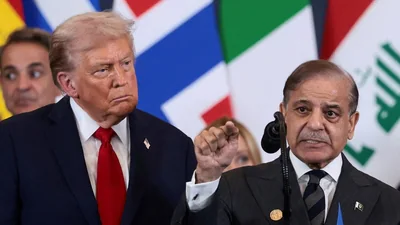
Sharif described the development as a breakthrough, inviting all parties to continue dialogue toward a “conclusive agreement.”
A Pause, Not Peace
Despite the ceasefire, officials and analysts caution that the agreement represents a temporary halt rather than a lasting resolution.
After 38 days of conflict that reportedly left more than 3,400 people dead and triggered a global energy crisis, the cessation of hostilities offers a brief window for diplomacy—but also exposes deep unresolved tensions.
At the heart of the uncertainty is the conflicting interpretation of the Strait of Hormuz arrangement, a critical issue that could determine whether the ceasefire holds.
For now, however, the guns have fallen silent.
The coming two weeks will test whether diplomacy can succeed where escalation nearly prevailed.
Follow The Liberian Post on Facebook and X (formerly twitter)