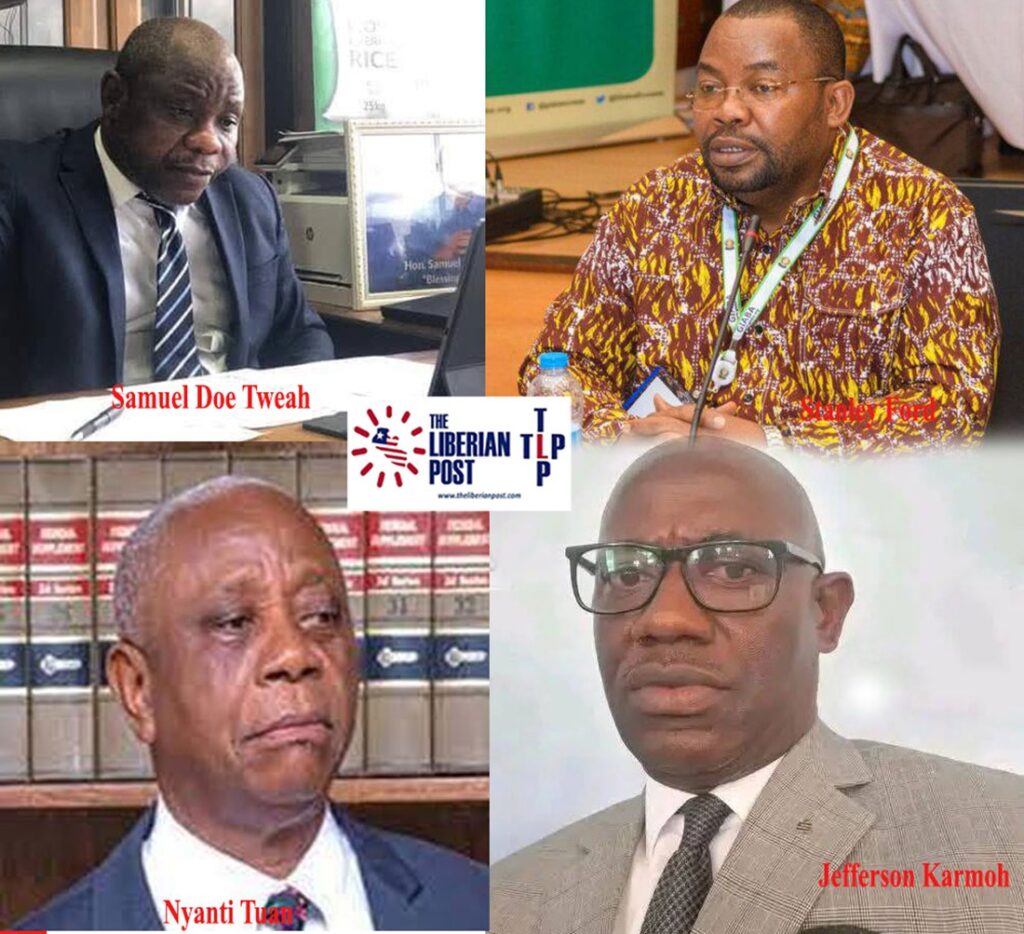
MONROVIA – Liberia’s already controversial US$6.2 million economic sabotage case involving former Finance and Development Planning Minister Samuel D. Tweah Jr. has taken another dramatic turn as mounting allegations of jury tampering now threaten to trigger a major legal and professional crisis for members of Tweah’s defense team.
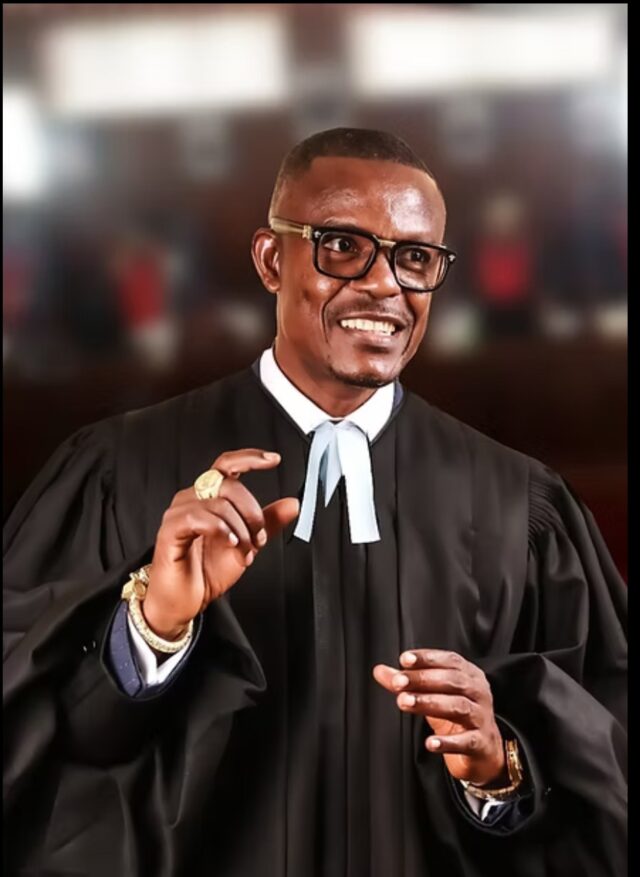
At the center of the growing controversy is prominent defense lawyer Arthur Johnson, whose legal license could reportedly face suspension if ongoing investigations confirm allegations that jurors were improperly influenced during the high-profile criminal trial.
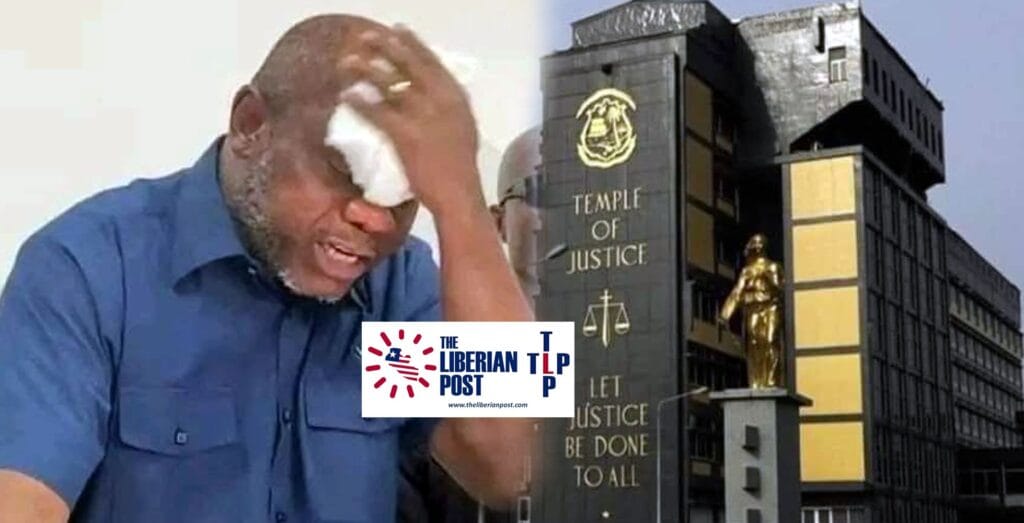
The latest development comes as the Justice in Chambers at the Supreme Court of Liberia prepares to hear a motion filed by Tweah’s legal team seeking to block an ongoing jury tampering investigation initiated following the controversial outcome of the case.
Court sources and legal observers say the motion, filed by Cllr. Johnson and other members of the defense, challenges the authority of Criminal Court “C” Judge Blamo Dixon to investigate allegations involving possible juror misconduct and outside interference.
The matter is expected to be heard on May 28, 2026.
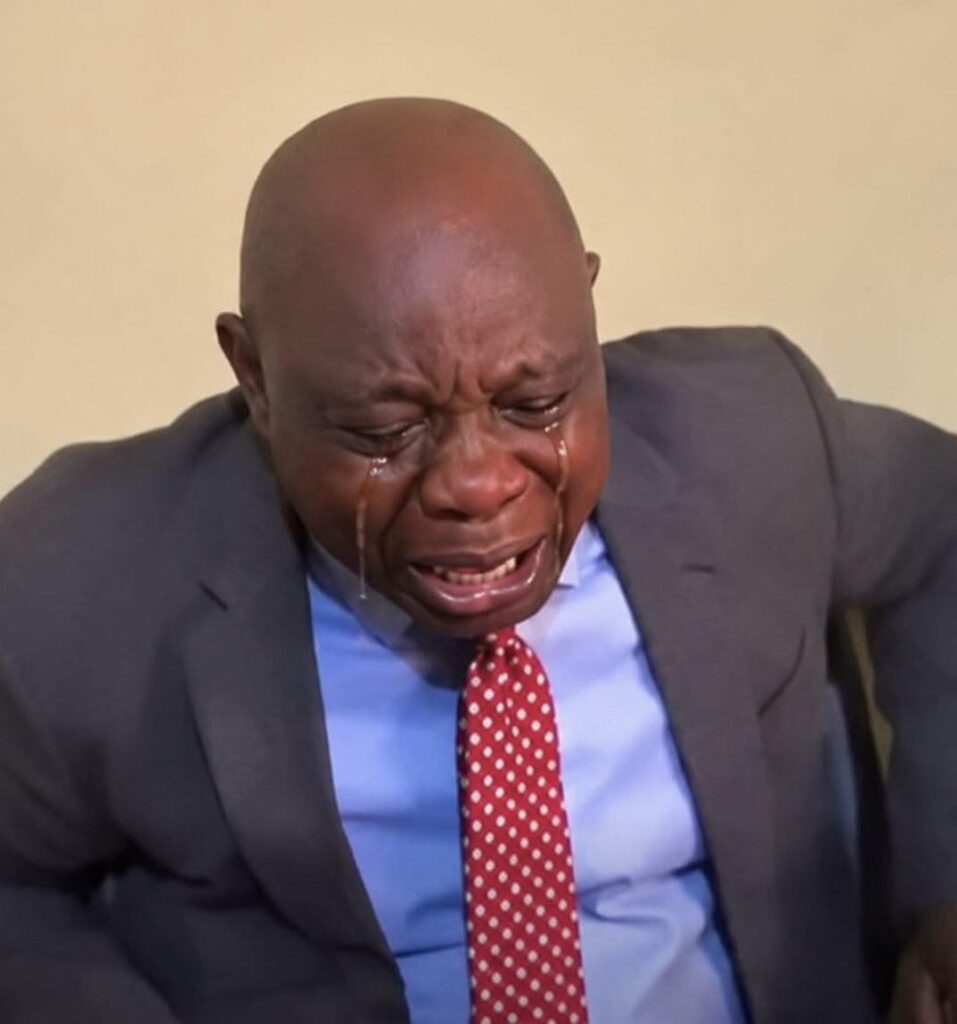
Defense Team Divided as Crisis Deepens
The jury tampering allegations have already exposed visible cracks within Tweah’s defense team.
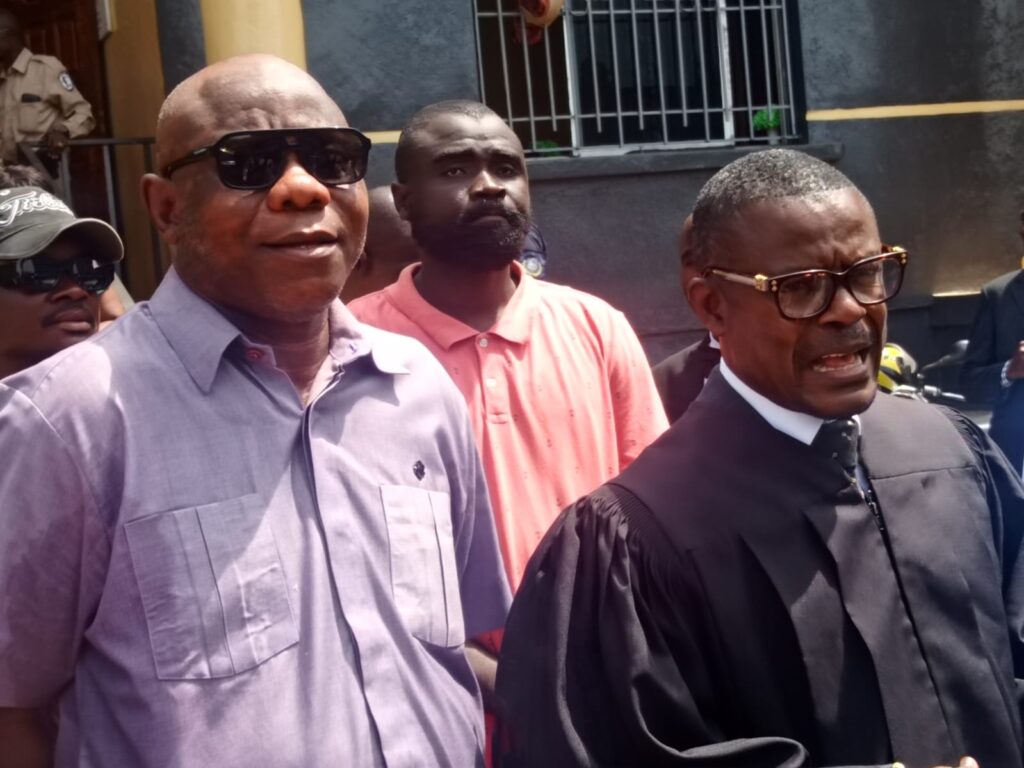
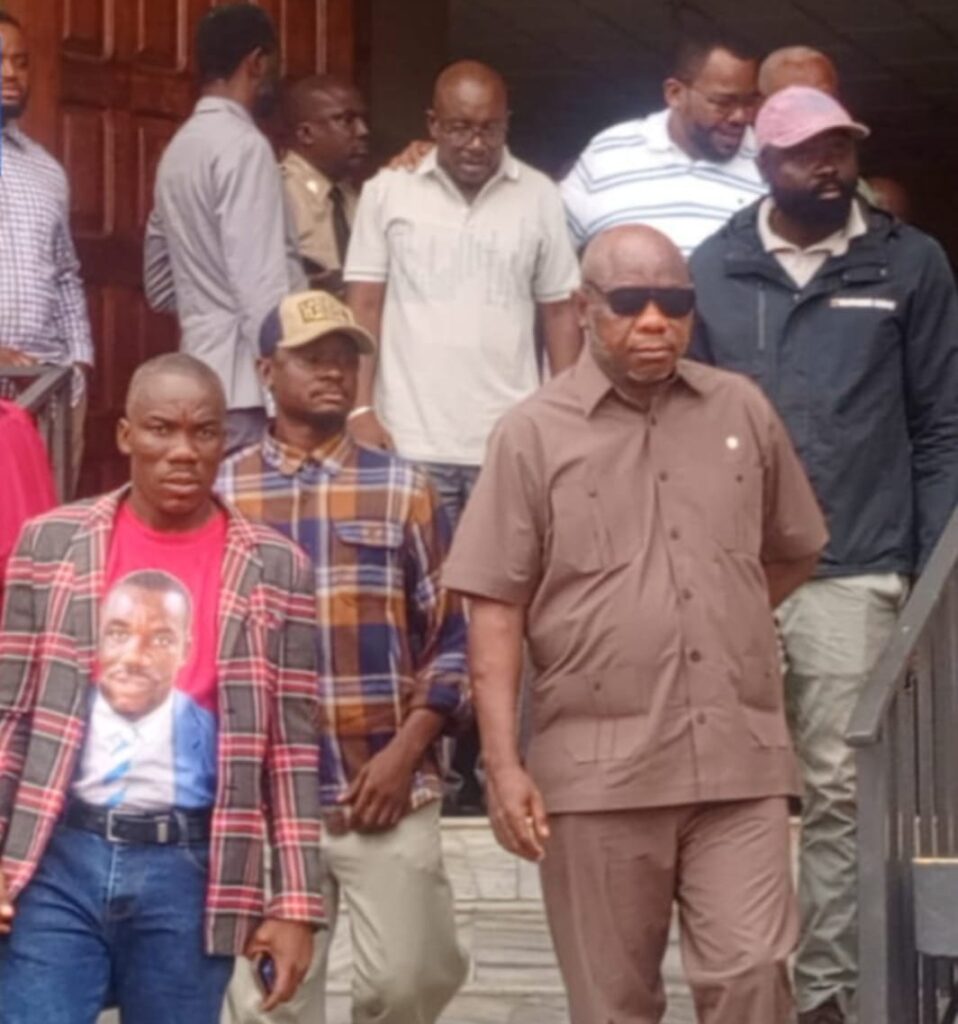
In one dramatic public confrontation sometime last week, defense lawyers were seen engaging in heated verbal exchanges outside court premises while journalists looked on.
Senior lawyer Cllr. Micah Wilkins Wright openly criticized members of the defense team amid reports of alleged juror bribery.
“I hate stupid people,” Wright reportedly declared in frustration. “If a lawyer commits a crime, for example by bribing jurors in a case, he or she must be investigated. And, if found guilty, he or she must go to jail.”
His comments appeared directed at fellow defense lawyers Arthur Johnson and Norris Tweah, who have both strongly argued that Criminal Court “C” lacks jurisdiction to investigate the allegations in their current form.
“This is a witch-hunt,” Johnson reportedly contended, insisting that any such investigation must follow a different legal process.
Alleged US$50,000 Bribery Scheme
Although no formal charges have yet been filed, unconfirmed reports circulating within legal and political circles allege that approximately US$50,000 may have been distributed to influence jurors during the trial.
The allegations intensified after social media users and political commentators began claiming that some jurors allegedly had affiliations with the former ruling Coalition for Democratic Change (CDC), the political coalition under which Tweah served as Finance Minister.
Critics have argued that the acquittal raised public suspicion because of testimony during the trial in which Tweah reportedly acknowledged authorizing the release of disputed government funds from the Central Bank of Liberia.
So far, however, no public evidence has been officially produced confirming the bribery allegations or political affiliations of jurors involved in the case.
Background of the US$6.2 Million Case
The case stems from allegations involving the unauthorized withdrawal and use of approximately US$6.2 million from the Financial Intelligence Agency (FIA) account at the Central Bank during the administration of former President George Weah.
Alongside Tweah, several former senior government officials were indicted on charges including economic sabotage, theft of property, criminal facilitation, misuse of public money, and criminal conspiracy.
Prosecutors alleged that the funds were withdrawn without proper legislative authorization or lawful financial procedures and were later used for intelligence-related operations outside approved budgetary channels.
The case quickly became one of Liberia’s most politically explosive corruption prosecutions because of the high-profile individuals involved and its broader implications for accountability under the former CDC administration.
During the proceedings, defense lawyers argued that the funds were used for legitimate national security purposes and that the transactions were conducted under executive authorization tied to state security operations.
The defense also maintained that the prosecution failed to establish criminal intent or personal enrichment by the accused officials.
After months of legal proceedings, the jury eventually returned a verdict widely interpreted as favorable to Tweah and portions of the defense team — a decision that immediately generated political controversy and sharp public division.
Possible Professional Consequences
Legal experts now warn that if investigators establish evidence of deliberate juror manipulation, the consequences for any lawyer involved could be severe.
Under Liberia’s legal and ethical standards governing the practice of law, jury tampering constitutes one of the gravest forms of professional misconduct because it directly attacks the integrity and independence of the judicial process.
Several lawyers and former judicial officials have indicated privately that sanctions could range from suspension of legal practice licenses to potential criminal prosecution depending on the findings of the investigation.
Some legal analysts also caution that any proven manipulation of jurors could potentially affect the legitimacy of the verdict itself and trigger broader judicial consequences.
“This goes beyond one case,” one Monrovia-based legal observer noted. “If lawyers are found manipulating jurors, then the integrity of the entire justice system comes under threat.”
Political and Judicial Tensions Rising
The controversy is unfolding against a backdrop of increasing political polarization surrounding anti-corruption investigations involving former officials of the Weah administration.
Supporters of Tweah and the CDC continue to insist that the prosecutions are politically motivated attempts by the administration of President Joseph Nyuma Boakai to target opposition figures.
Government supporters, however, argue that the investigations reflect a broader effort to restore accountability and public confidence in Liberia’s governance and judicial institutions.
As the May 28 hearing approaches, attention is now shifting to the Supreme Court and whether the Justice in Chambers will permit the jury tampering investigation to proceed or temporarily halt the probe as requested by the defense.
Either way, the outcome could significantly shape not only the future of the Tweah case but also public trust in Liberia’s fragile justice system.
Follow The Liberian Post on Facebook and X (formerly twitter).