
MONROVIA— Growing concerns over raw rubber shortages and possible disruptions within Liberia’s processing sector are fueling calls for urgent legislative intervention amid fears that thousands of jobs and one of the country’s key export industries could come under serious pressure.
Former Education Minister George Werner is now urging the 55th Legislature to convene immediate public hearings to investigate what he describes as an emerging supply crunch threatening Liberia’s rubber industry.
Werner’s warning comes as major rubber processors reportedly struggle to secure sufficient raw materials to keep their factories operating at full capacity, raising concerns about reduced production, declining industrial stability, and potential job losses across the sector.

“Reports within the sector suggest reduced worker shifts at some facilities because of lower raw material intake,” Werner said in a Facebook post. “If true, that means jobs are already beginning to feel the pressure.”
According to Werner, the situation extends far beyond ordinary business competition and now poses broader national economic implications because of the thousands of Liberians whose livelihoods depend directly and indirectly on the rubber sector.
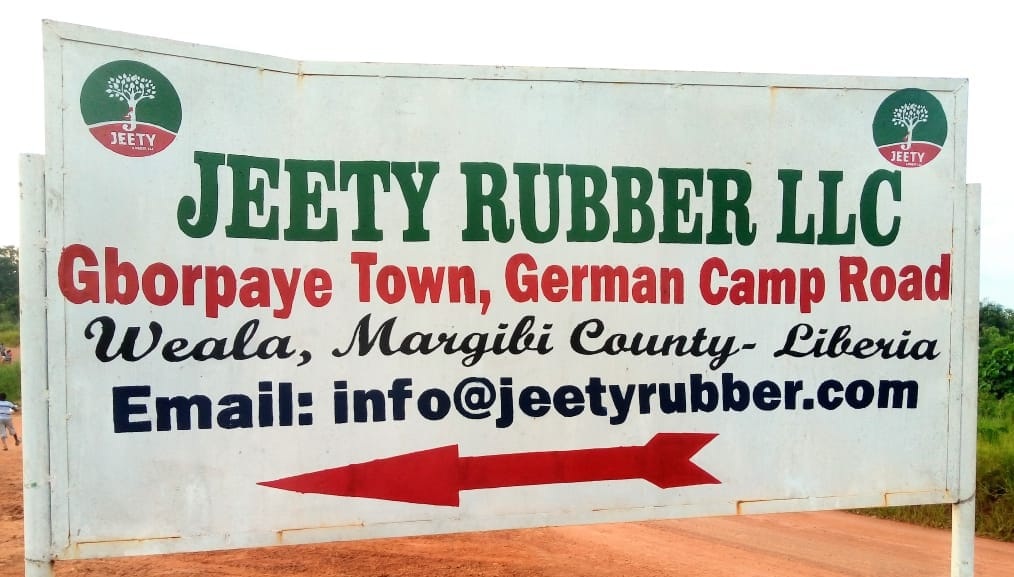
He pointed specifically to major operators including Firestone Liberia, Jeety Rubber, and its subsidiary Salala Rubber Corporation, noting that the industry supports schools, clinics, transportation services, local commerce, and employment opportunities for tens of thousands of Liberians.
“When factories begin complaining about inadequate rubber supply, this is no longer merely a business issue. It becomes a national employment issue,” Werner argued.
He further linked the growing concerns directly to President Joseph Nyuma Boakai’s ARREST Agenda, which prioritizes job creation, agriculture, private-sector growth, and economic empowerment.
“The rubber industry sits directly at the intersection of all these priorities,” Werner noted.
The former minister warned that if Liberia fails to stabilize supply chains and protect domestic processing capacity, the country risks undermining one of the few sectors capable of generating large-scale private-sector employment outside government.
He called on lawmakers to launch public hearings to determine the true extent of the crisis and investigate possible factors behind the growing supply disruptions.
Among the questions Werner believes lawmakers should examine are whether local processors are being undermined, whether smuggling and under-declaration are occurring, and whether Liberia is losing significant government revenues linked to rubber exports.
The concerns emerge at a critical moment for Liberia’s rubber industry, particularly as Jeety Rubber moves forward with ambitious expansion plans that include producing Liberia’s first locally manufactured tires by 2028.
However, the company has reportedly warned that achieving that goal will require a stable daily supply of between 500 and 550 tonnes of raw rubber once expansion is completed.

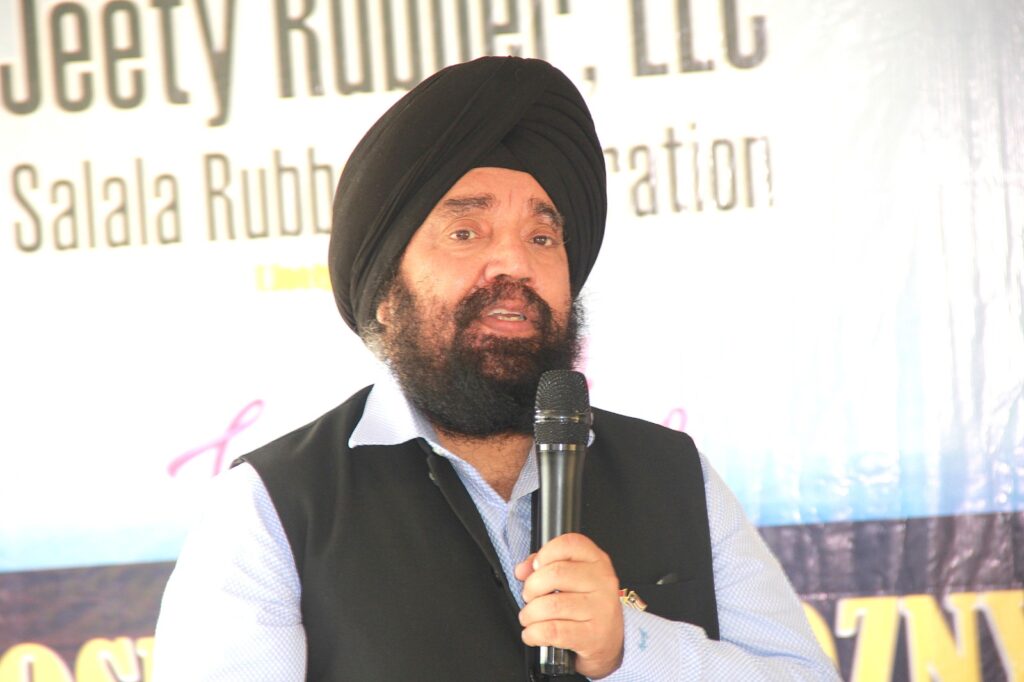
Werner’s comments also follow the recent visit of U.S. Chargé d’Affaires Joseph Zadrozny to Jeety Rubber and Salala Rubber Corporation, where he praised the company’s investment model, including its contributions to schools, clinics, water systems, laboratories, manufacturing, and job creation.
Rubber remains one of Liberia’s most important agricultural export commodities. According to the World Trade Organization, rubber accounted for approximately 12.5 percent of Liberia’s export earnings as of 2021, trailing only iron ore and gold.
Amid growing concerns over supply chains and export controls, the Liberia Revenue Authority (LRA) recently issued an “Important Revenue Notice” introducing tighter oversight measures for rubber exports transiting Liberia from Guinea.
Under the directive, rubber entering Liberia from Guinea must now be officially received by customs authorities at border points and escorted to designated ports of export. Processed rubber exports must also undergo joint inspection and sealing by Customs and the Liberia Agricultural Commodity Regulatory Authority (LACRA) before export permits are issued.
Werner suggested the government’s new measures may indicate deeper concerns involving smuggling, export traceability, revenue leakages, and industrial supply disruptions.
He further urged Liberia to study developments in neighboring West African countries that have aggressively pursued local rubber processing policies to protect domestic industries and create jobs.
According to Werner, Côte d’Ivoire — now Africa’s largest rubber producer and the world’s third-largest globally — generates nearly US$2 billion annually from rubber exports because of deliberate policies supporting local processing and industrialization.
He also pointed to Ghana, which recently imposed a 10-year ban on raw natural rubber exports after domestic processors warned that factories were being deprived of supply.
“Liberia is now approaching the same crossroads,” Werner warned. “If Liberia loses its processing base, it risks remaining trapped permanently at the lowest end of global commodity markets.”
He stressed that with proper policy coordination, stable supply chains, and support for domestic manufacturing, Liberia could transform rubber from a traditional export commodity into a major driver of industrial growth and economic transformation.
Follow The Liberian Post on Facebook and X (formerly twitter).