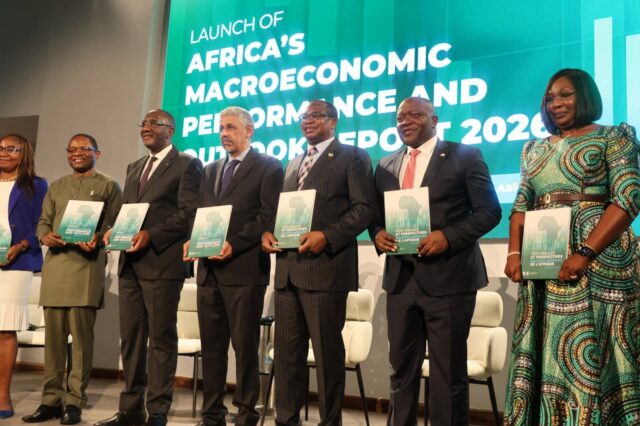
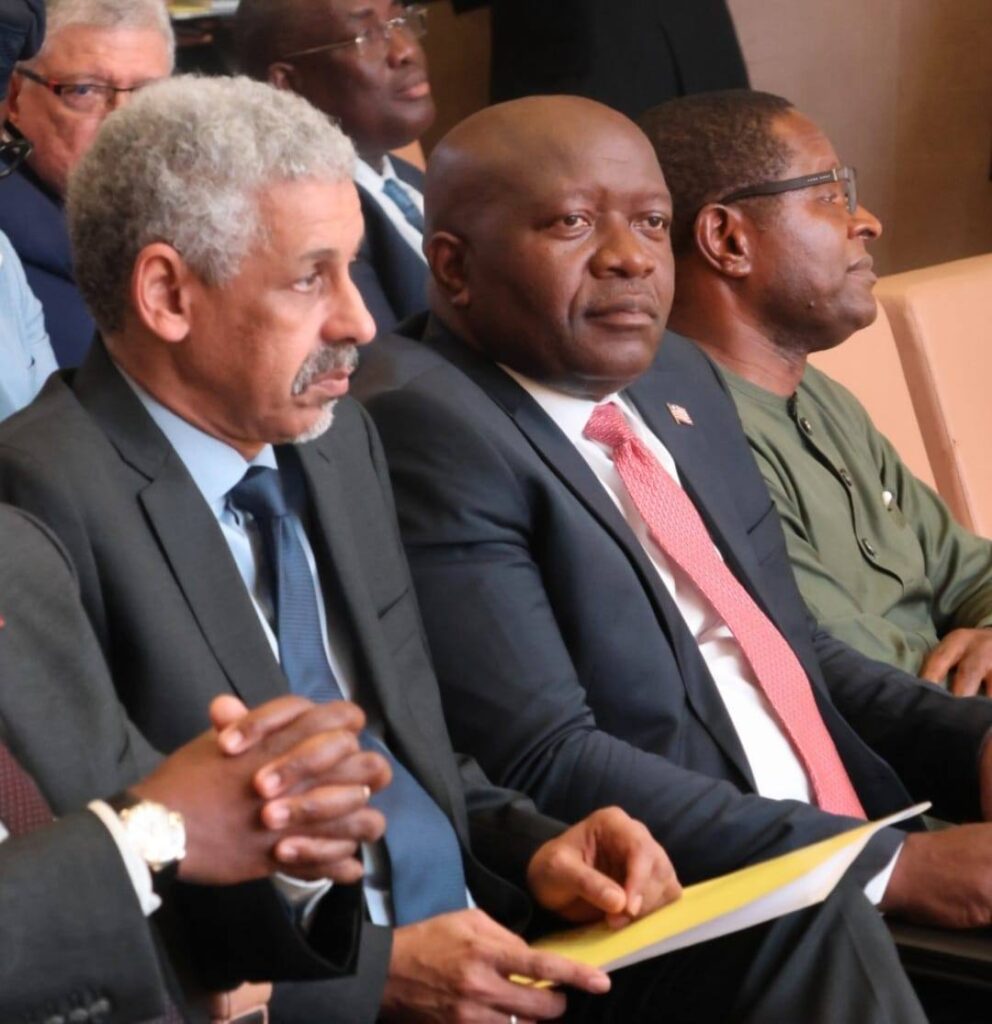
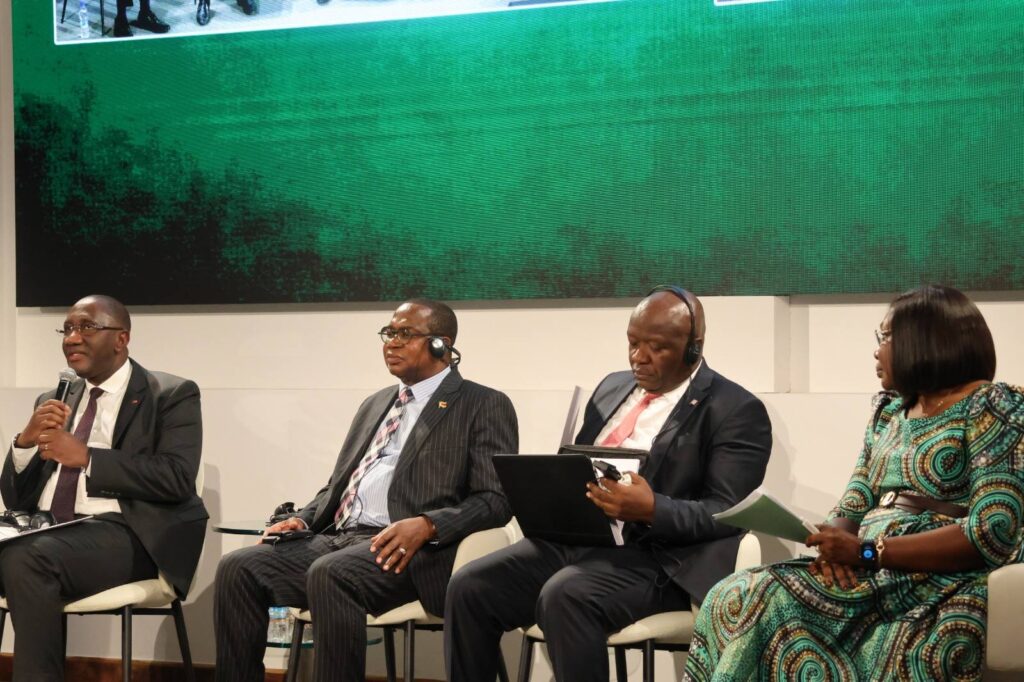
ABIDJAN, Côte d’Ivoire — Liberia’s Minister of Finance and Development Planning, Augustine Kpehe Ngafuan, has underscored the country’s growing economic resilience despite a history of severe shocks, while cautioning that rising global prices continue to pose risks to vulnerable populations.
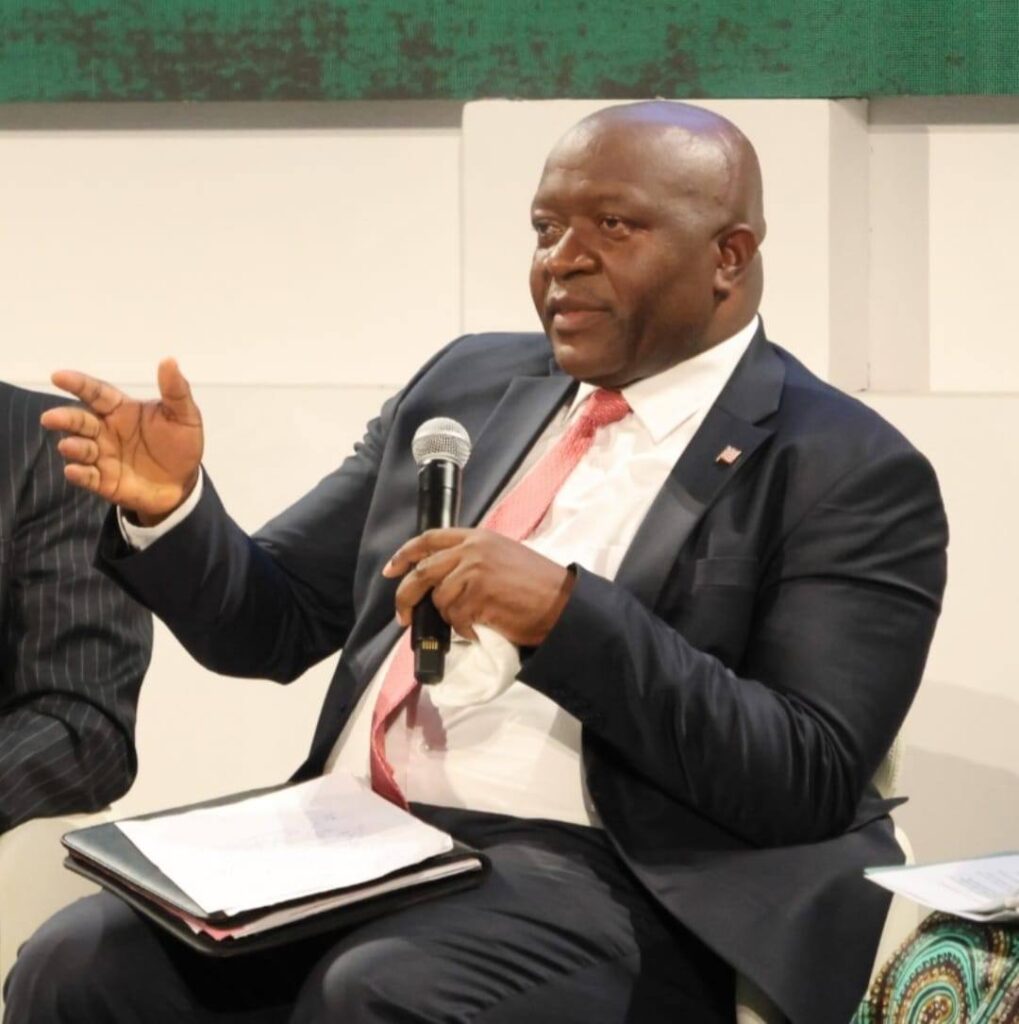
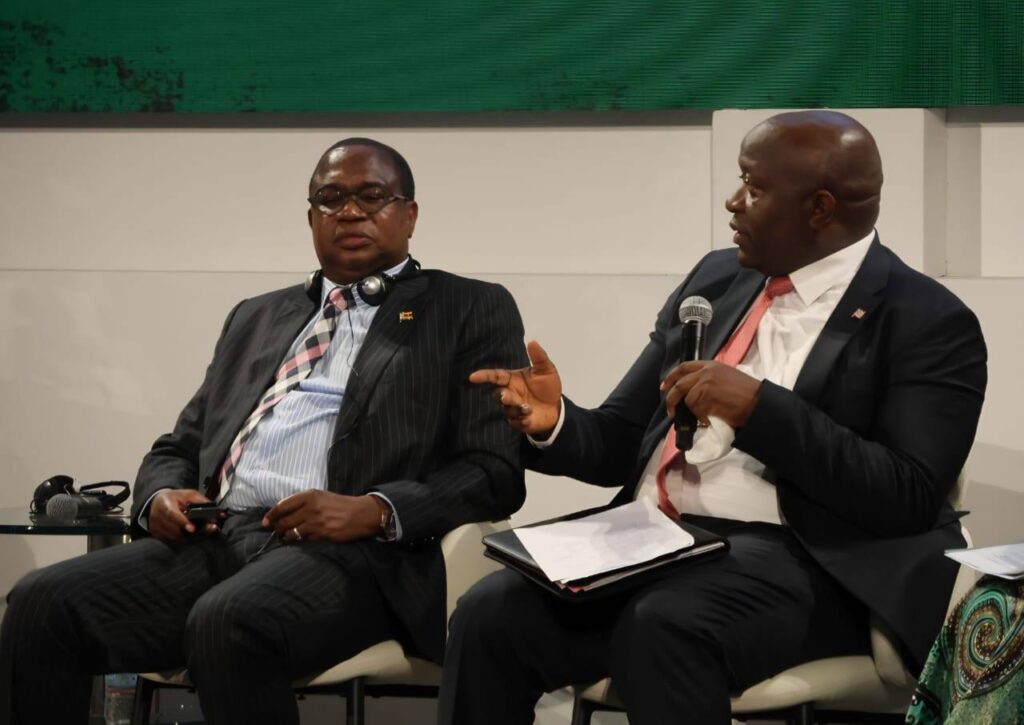
Speaking at the launch of the African Development Bank’s (AfDB) Macroeconomic Performance and Outlook 2026 Report in Abidjan on March 30, Minister Ngafuan said Liberia has developed the capacity to withstand crises and sustain growth through reforms and strategic policy interventions.
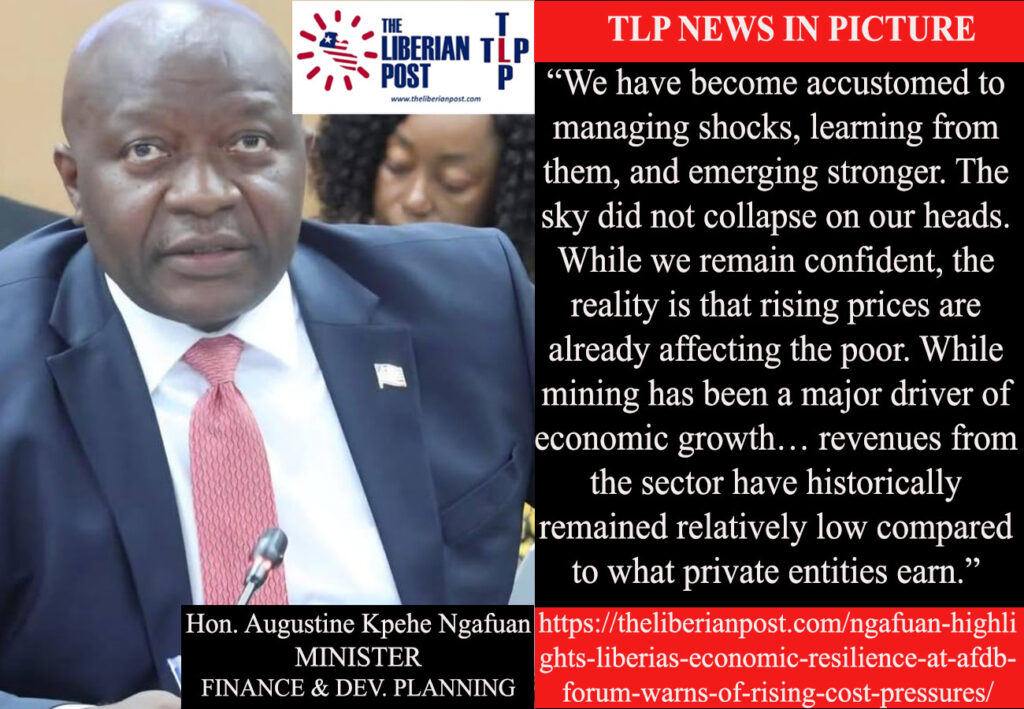
“We have become accustomed to managing shocks, learning from them, and emerging stronger,” Ngafuan said, reflecting on Liberia’s economic trajectory.
From Crisis to Stability
Ngafuan recounted Liberia’s post-war economic challenges, noting that the country once faced a staggering debt-to-GDP ratio of over 700 percent. Through reforms and international support, Liberia secured nearly 90 percent debt relief—laying the groundwork for macroeconomic stability.
He also highlighted lessons from the Ebola epidemic, which claimed over 5,000 lives, stating that the crisis strengthened institutional capacity and enabled a more effective response to the COVID-19 pandemic.
Weathering Recent Fiscal Shocks
Addressing more recent challenges, Ngafuan pointed to the abrupt withdrawal of over US$300 million in external project financing following the exit of one of Liberia’s largest donors. Despite the setback, he emphasized that the country maintained stability through improved domestic revenue mobilization.
“The sky did not collapse on our heads,” he declared, attributing resilience to enhanced tax administration, digitization, and efforts to eliminate revenue leakages.
These measures, he noted, enabled Liberia to achieve its highest-ever domestic revenue collection and post a small budget surplus.
Growth Outlook and Sector Reforms
According to Ngafuan, Liberia’s economic outlook remains positive, with GDP growth recorded at 5.1 percent last year and projected to rise to 5.6 percent in 2026. Inflation has also declined significantly, averaging 8.2 percent in 2025 and dropping to just above 3 percent in early 2026.
However, he raised concerns about renewed inflationary pressures driven by global fuel and transportation costs.
“While we remain confident, the reality is that rising prices are already affecting the poor,” he warned.
The government, he said, is implementing targeted measures, including social protection programs and support for energy-related initiatives, to cushion the impact on households.
Closing the Resource Gap
Ngafuan also emphasized the need to maximize benefits from Liberia’s natural resources, particularly in the mining sector, which has been a major driver of economic growth but has not translated into proportional revenue gains for the country.
“While mining has been a major driver of economic growth… revenues from the sector have historically remained relatively low compared to what private entities earn,” he noted.
He disclosed ongoing collaboration with the AfDB to strengthen transparency and revenue generation in the sector, ensuring that Liberia’s resource wealth delivers tangible benefits to its citizens.
Africa’s Growth Momentum
The AfDB report presented at the event indicates that Africa remains one of the fastest-growing regions globally, with 22 countries—including Liberia—projected to record growth above 5 percent.
Ngafuan, who also serves as Chairman of AfDB Constituency 15, reaffirmed Liberia’s commitment to reforms and called for stronger support from development partners to help countries navigate emerging economic shocks.
“We have built resilience, but sustained partnership is essential to keep that momentum,” he said.
Follow The Liberian Post on Facebook and X (formerly twitter)