–Former LFA Boss Says FIFA’s Emergency Funding Kept Lone Star Together in Mali
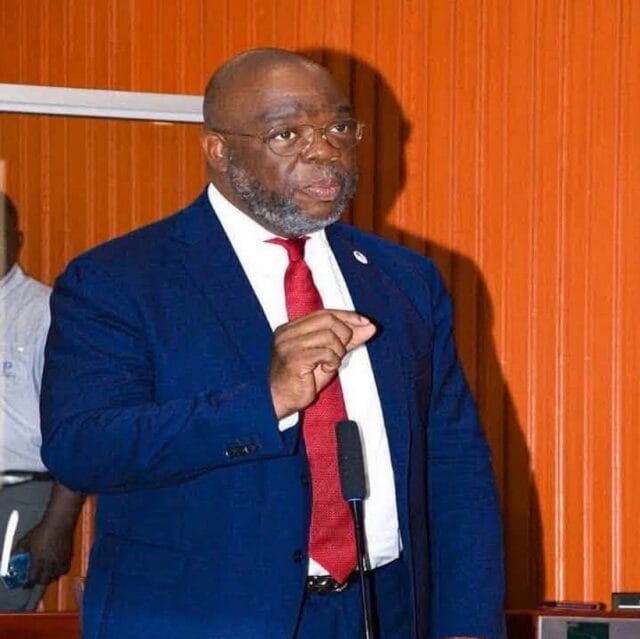
Former Liberia Football Association (LFA) President Edwin Melvin Snowe has revealed that FIFA was forced to provide emergency financial assistance to Liberia’s national football team during the 2002 Africa Cup of Nations (AFCON) after the squad reportedly faced a serious funding crisis while participating in the tournament in Mali.
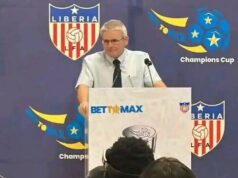
Speaking on OK FM’s Morning Rush program, Snowe recounted what he described as a critical moment in Liberia’s football history, claiming that the Lone Star’s AFCON campaign was on the verge of collapse as players threatened to abandon camp over unpaid allowances and other financial obligations.
According to Snowe, the situation was rescued through the intervention of then-Lone Star Technical Director George Weah, who contacted former FIFA President Sepp Blatter to seek urgent assistance.
Snowe said Blatter subsequently approved an emergency package of US$179,000, which was released to cover the team’s immediate expenses and prevent the national squad from disintegrating during the tournament.
“George Weah contacted Sepp Blatter, and FIFA responded by providing emergency support that kept the team together,” Snowe recalled.
He further disclosed that he personally traveled from Bamako, Mali, to Zurich, Switzerland, to collect the funds, describing the move as a decisive intervention that enabled Liberia to continue its participation in the continental championship.
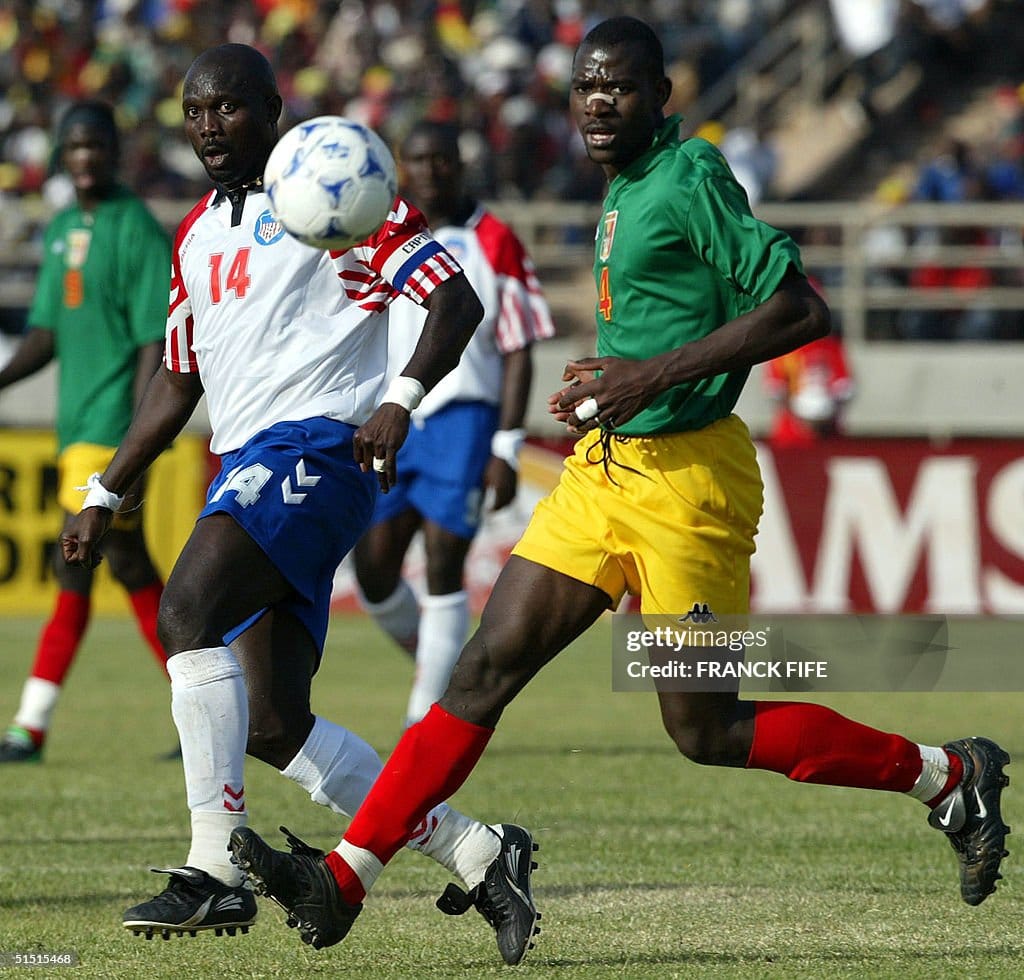
Debate Rekindled Over Funding of 2002 AFCON Campaign
Snowe’s comments come amid renewed public debate over how Liberia’s historic 2002 AFCON campaign was financed.
The discussion was reignited recently after former Lone Star goalkeeper Louis Crayton publicly challenged long-held perceptions about George Weah’s role in financing the national team, insisting that the administration of former President Charles Taylor provided the bulk of the financial support for both Liberia’s qualification campaign and participation in the tournament.
Crayton’s remarks sparked widespread reactions among football stakeholders and supporters, reopening discussions about the contributions made by various individuals and institutions during one of Liberia’s most memorable football eras.
While acknowledging the role played by the government at the time, Snowe argued that state support alone was not sufficient to sustain the team throughout the competition and that FIFA’s intervention proved crucial when financial difficulties emerged in Mali.
According to him, the emergency funding provided by FIFA arrived at a time when the team faced significant uncertainty and growing frustration among players.
Weah’s Role in Supporting the National Team
The latest revelation adds another dimension to the ongoing conversation about George Weah’s contribution to Liberian football before entering politics.
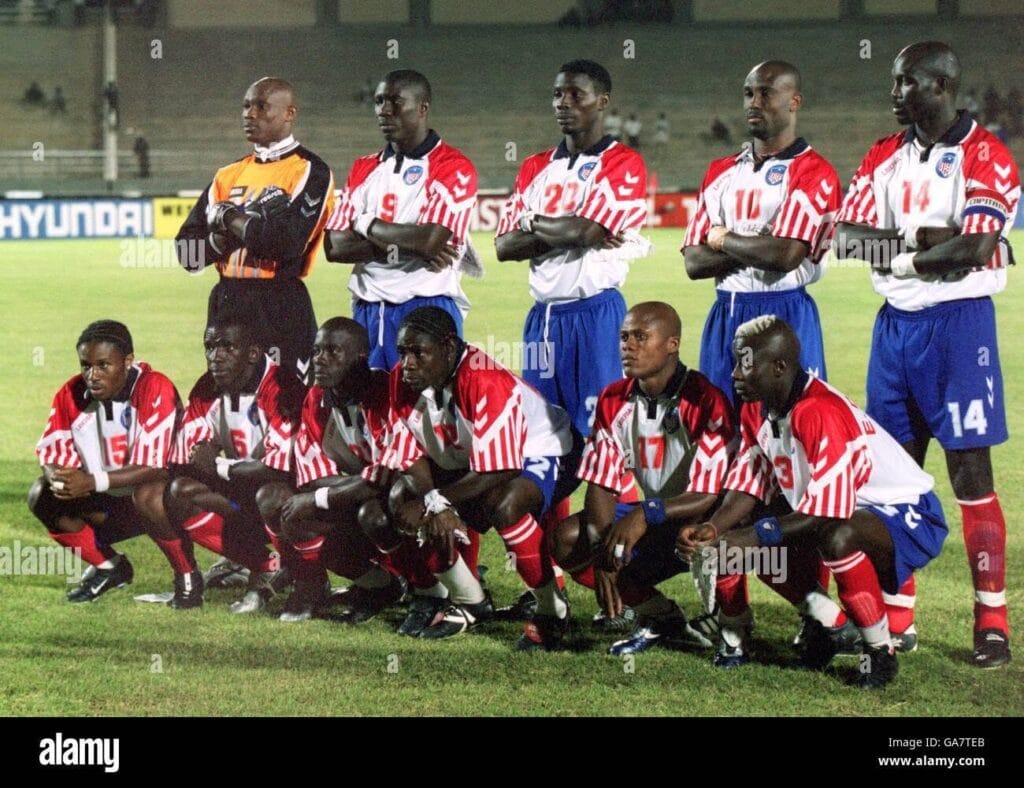
Over the years, numerous former players, football administrators, and sports commentators have credited the former World Player of the Year with providing financial and logistical support to the national team during periods when resources were scarce.
Weah, who served as Technical Director of the Lone Star during portions of the early 2000s, has long been associated with efforts to support the national team, including player welfare, travel arrangements, and preparations for major competitions.
Snowe’s account suggests that Weah’s influence extended beyond direct financial support and included leveraging his international relationships within global football to secure assistance for Liberia when it was most needed.
Multiple Stakeholders Contributed
Despite the differing narratives surrounding the 2002 AFCON campaign, both Snowe and Crayton agree on one key point: Liberia’s participation in the tournament was made possible through the combined efforts of multiple stakeholders.
Those stakeholders included the Government of Liberia, FIFA, football administrators, and George Weah, whose contributions collectively helped ensure the country’s presence at Africa’s premier football competition.
The renewed debate has highlighted the challenges faced by the Lone Star during that period and underscored the importance of collaboration in sustaining national sports programs.
More than two decades later, the 2002 AFCON campaign remains a significant chapter in Liberia’s football history, with fresh revelations continuing to shed light on the sacrifices, interventions, and partnerships that kept the national team on the continental stage.
For breaking news, in-depth analysis, and exclusive reports from Liberia and around the world, follow The Liberian Post on Facebook (https://web.facebook.com/profile.php?id=61576017166570) and X, formerly Twitter (https://x.com/LiberianPost).