
–Economist Says Public Outrage Came Too Late, Questions Police Response and Calls for Compassion as He Continues to Mourn Wife’s Death
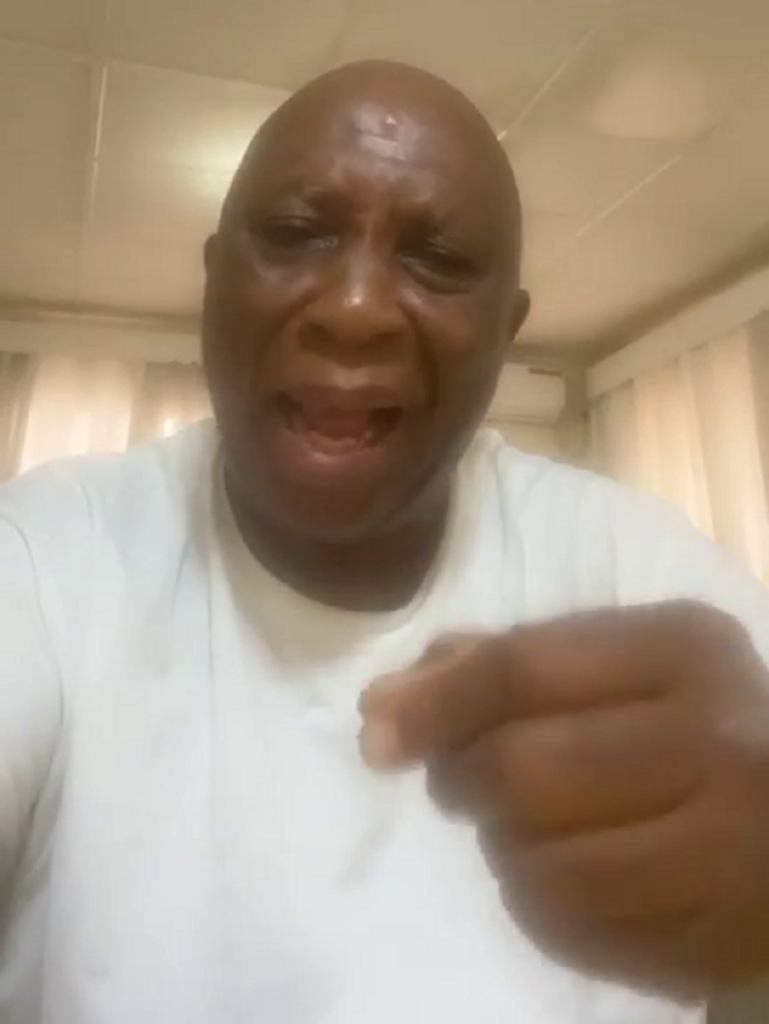
MONROVIA – Nearly four months after publicly demanding answers over the death of his wife and the delayed release of her autopsy report, Liberian economist, financial expert and political commentator Samuel P. Jackson has again broken his silence—this time with an emotionally charged appeal in which he accused sections of Liberian society of hypocrisy, condemned years of online abuse directed at his late wife, questioned the police response following her death, and reflected on the profound grief that continues to shape his daily life.
Jackson’s latest remarks come weeks after he publicly questioned why, more than 100 days after his wife’s passing, the official autopsy report had not been released, arguing that the prolonged silence was fueling speculation and denying both families the closure they deserved.
In his latest public address, however, Jackson largely steered away from the investigation itself. Instead, he used the opportunity to speak about what he believes was the unfair treatment his wife endured during her years in Liberia and what he described as the “hypocrisy” of people who now profess sympathy after remaining silent while she was subjected to relentless abuse.
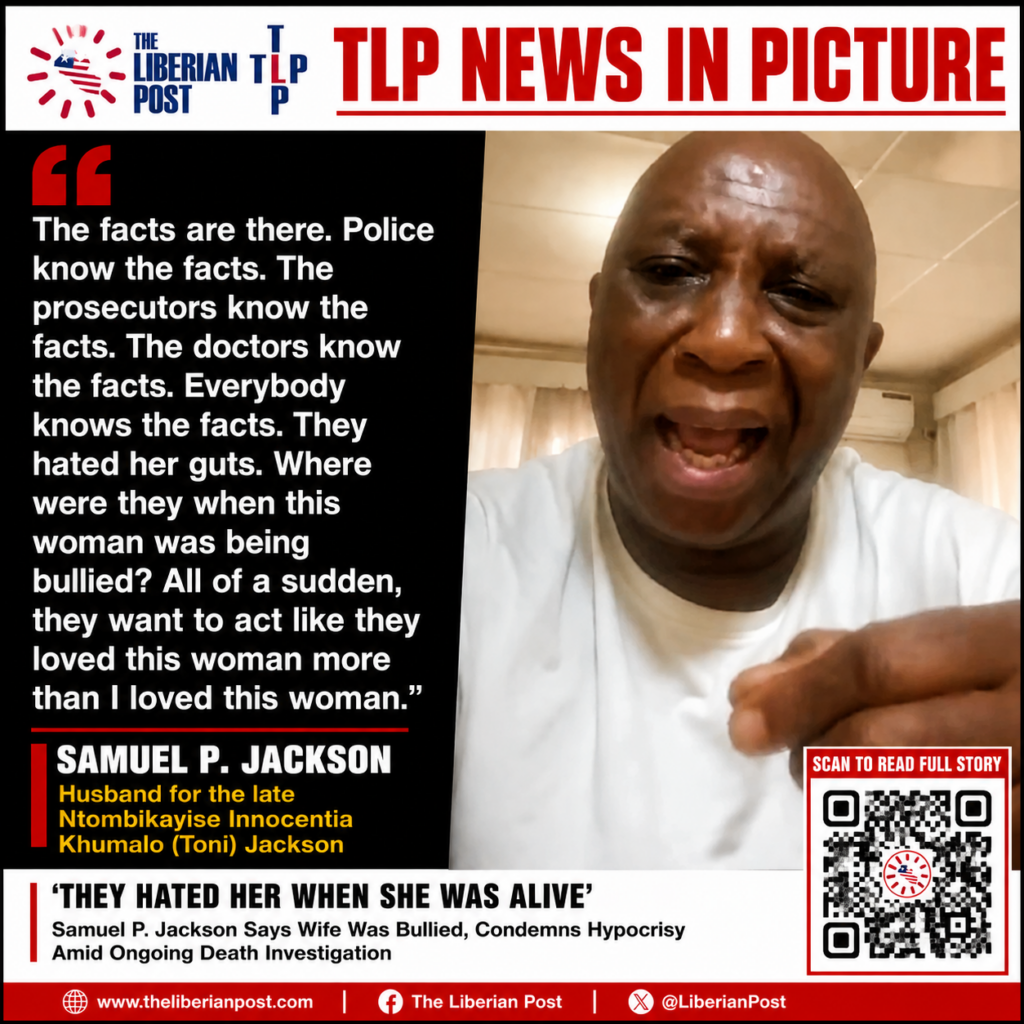
While insisting that he would not litigate the case on social media, Jackson maintained that the authorities already possess the facts surrounding the matter.
“The facts are there. Police know the facts. The prosecutors know the facts. The doctors know the facts. Everybody knows the facts,” Jackson declared, emphasizing that the legal process should be allowed to run its course.
‘Where Was the Compassion When She Was Alive?’
The central theme of Jackson’s nearly hour-long address was not the investigation but what he sees as the public’s selective compassion.
According to Jackson, his wife relocated to Liberia more than six years ago after establishing herself professionally in South Africa, where she practiced law. Rather than receiving a warm welcome, he said, she became the target of persistent ridicule and personal attacks both online and in public discourse.
He recalled that social media users repeatedly labeled her a “gold digger,” alleged that she was his granddaughter and even questioned her gender identity.
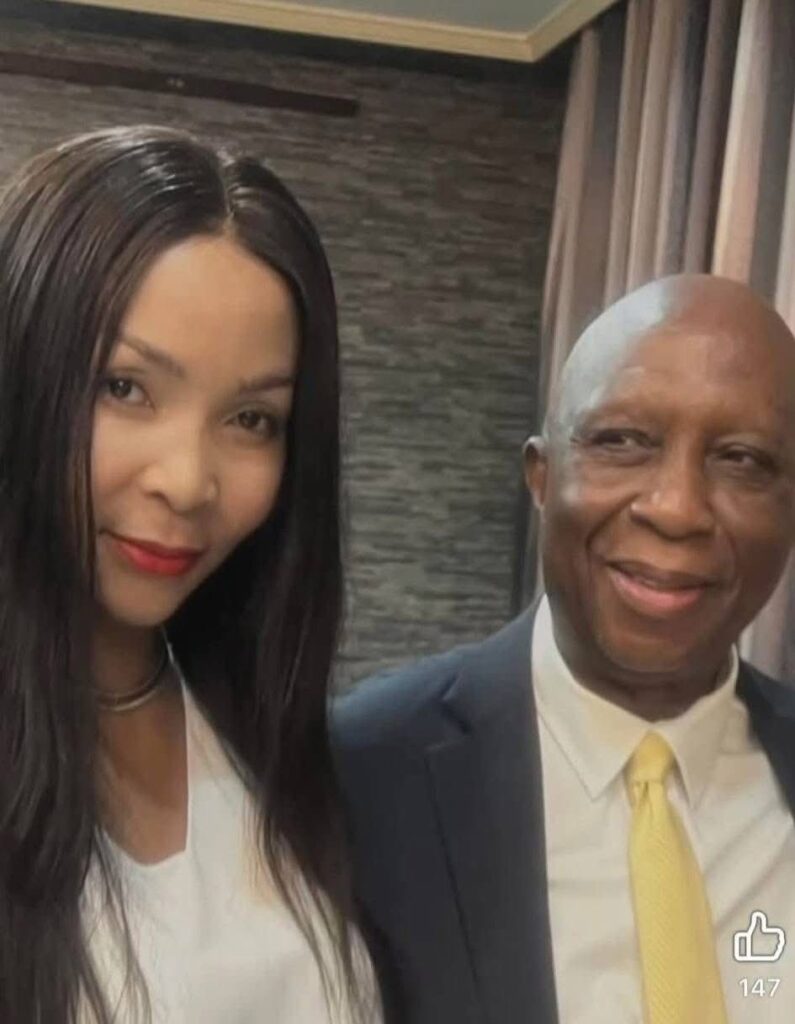
“They hated her guts,” Jackson said, lamenting what he described as years of abuse directed at a woman who simply wanted to build a life alongside him in Liberia.
Jackson said one of the most painful aspects of his grieving process has been watching some of the same people who, in his view, ignored or encouraged those attacks now publicly demand “Justice for Tony.”
“Where were they when this woman was being bullied?” he repeatedly asked.
He argued that those who now portray themselves as defenders of his late wife never spoke out when she was allegedly being humiliated on social media.
According to Jackson, every photograph he posted with his wife generated fresh insults, yet few people challenged the abusive commentary.
Says Wife Was Denied Professional Support
Jackson also revealed that his late wife had hoped to continue her legal career after relocating to Liberia.
According to him, she reached out to several female lawyers seeking mentorship and guidance on the process of qualifying to practice law locally.
He said none accepted her request or offered to help her integrate into Liberia’s legal profession despite her legal background in South Africa.
Jackson contrasted that experience with the public sympathy now being expressed following her death.
“All of a sudden, they want to act like they loved this woman more than I loved this woman,” he said.
Questions Heavy Police Presence
Although Jackson declined to discuss evidence relating to the ongoing investigation, he openly criticized the police response following his wife’s death.
He recounted that after she died at a hospital, armed officers surrounded his residence while he was still grieving.
Jackson questioned why such a large deployment was necessary, describing it as excessive and traumatizing.
He emphasized that his wife died after receiving medical care at the hospital and questioned the decision to dispatch numerous armed officers to his home before investigators had completed their work.
He characterized the operation as an abuse of state power rather than a routine investigative procedure.
At the same time, Jackson stressed that the issue should not be viewed through a political lens.
“This is not a Unity Party problem or a CDC problem,” he said, insisting that questions of guilt or innocence should be determined by evidence rather than political affiliation.
Turns to Liberia’s Economic Future
As his remarks continued, Jackson broadened the conversation beyond his personal tragedy to address what he considers Liberia’s enduring economic failures.
He argued that despite rapidly increasing mineral exports and abundant natural resources, the benefits of economic growth continue to bypass ordinary Liberians.
Pointing to projections that Liberia’s gold exports could reach billions of dollars annually, Jackson questioned why poverty remains widespread while much of the country’s wealth is controlled by foreign interests.
He renewed his long-standing call for greater Liberian participation in key sectors of the economy, stronger local ownership of businesses, and policies that would use the country’s natural resources to finance housing, agriculture and sustainable economic development.
Jackson also defended his record as an independent public commentator, saying he has consistently criticized governments based on policy rather than party loyalty.
He noted that he openly challenged the administrations of former Presidents Ellen Johnson Sirleaf and George Weah and has continued that approach under President Joseph Nyuma Boakai whenever he believes government policies fail to address the country’s most pressing problems, particularly mass poverty.
A Husband Still Mourning
The most emotional portion of Jackson’s address came as he described the loneliness he has experienced since losing his wife.
Responding to criticism from social media users who questioned why he was seen eating shortly after her death, Jackson explained that he is diabetic and cannot simply stop eating because he is grieving.
He said many people fail to appreciate that mourning does not erase the realities of everyday life.
Jackson then spoke movingly about the quiet moments that remind him of his loss.
He described turning over in bed at night expecting to feel his wife’s presence beside him, only to realize that the space is now empty.
“I cry when I go to sleep,” he confessed, adding that it is often in those silent moments that the reality of her absence becomes most overwhelming.

Background
Jackson’s latest comments mark his second major public statement since the death of his wife, a tragedy that has sparked intense public debate and widespread speculation across Liberia.
On June 23, 2026, Jackson publicly called for the release of his late wife’s autopsy report after more than 100 days had elapsed without the findings being made public, arguing that transparency was necessary to restore public confidence and provide closure to grieving families.
To date, Liberian authorities have not publicly announced the final outcome of the investigation or officially released the autopsy findings.
Throughout his latest address, Jackson reiterated that he would continue to respect the investigative process while urging Liberians to reject online abuse, avoid rushing to judgment, and show greater compassion toward those coping with personal tragedy.
For breaking news, in-depth analysis, and exclusive reports from Liberia and around the world, follow The Liberian Post on Facebook (https://web.facebook.com/profile.php?id=61576017166570) and X, formerly Twitter (https://x.com/LiberianPost).