-Chief Justice, Judiciary Leaders and Development Partners Celebrate Fifth Cohort as Government Deepens Investment in Judicial Reform
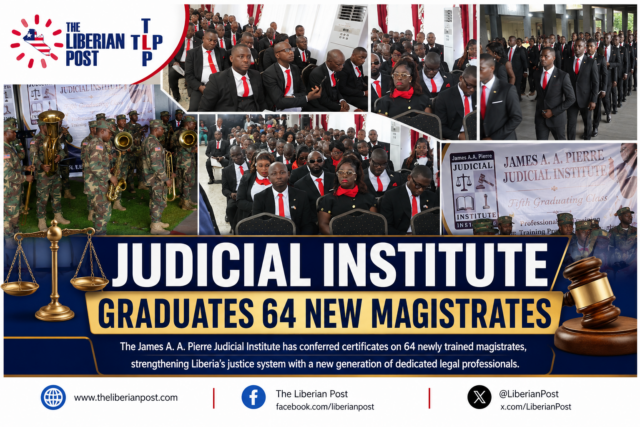
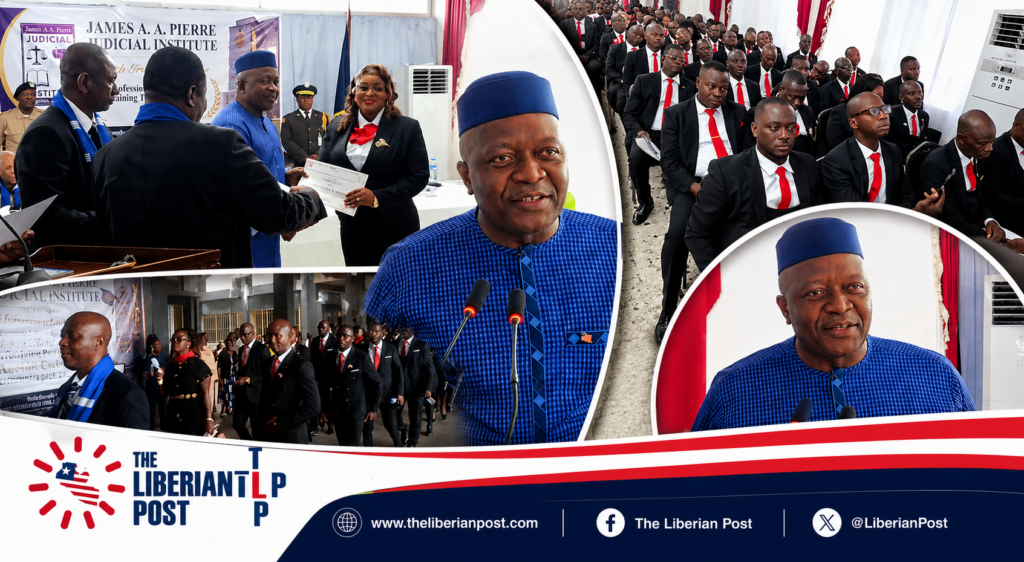
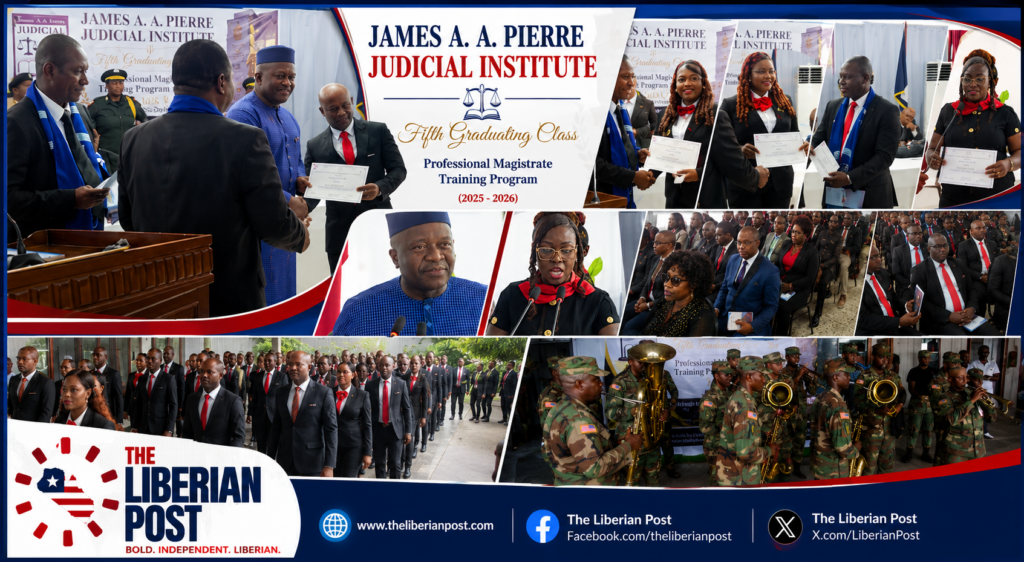
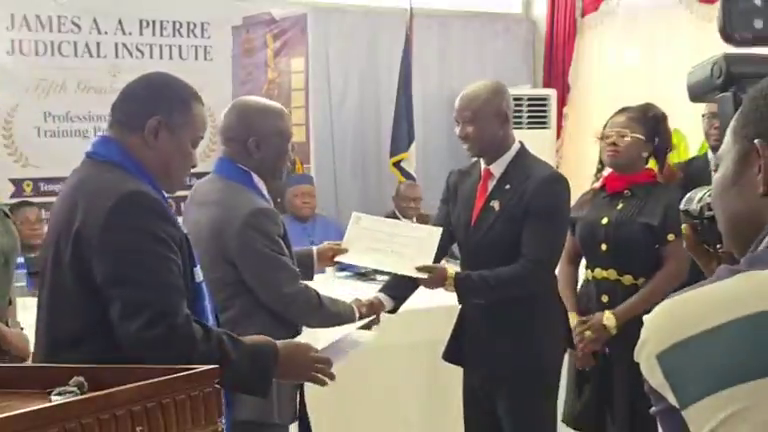
MONROVIA – Liberia’s judiciary received a significant boost on Friday, July 17, as 64 newly trained magistrates graduated from the James A. A. Pierre Judicial Institute’s Professional Magistrate Training Program, marking another milestone in the country’s efforts to strengthen the administration of justice and expand access to the courts across all 15 counties.
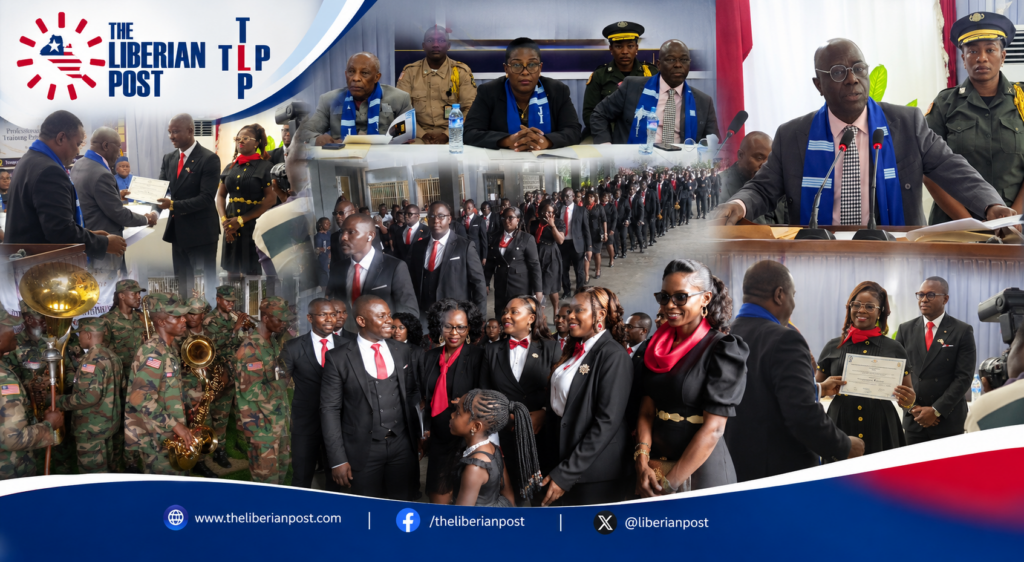
The fifth graduation ceremony, held at the Temple of Justice in Monrovia, brought together Chief Justice Yamie Quiqui Gbeisay, Associate Justices of the Supreme Court, Justice Minister Natu Oswald Tweh, Trial Judges Association President Judge Ousman Feikai, senior judicial officials, representatives of the United Nations Development Program (UNDP), development partners, members of the diplomatic community, and families of the graduates.
The event celebrated the successful completion of Liberia’s flagship judicial training program, which prepares magistrates to serve in district and magisterial courts throughout the country.
Sixty-Four Graduates Certified
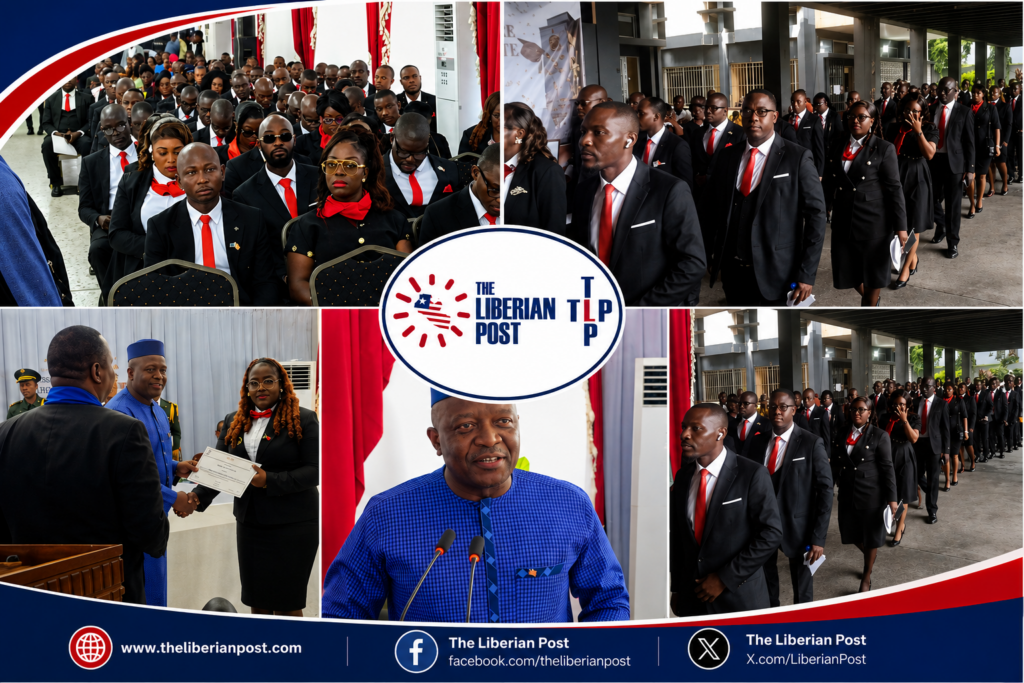
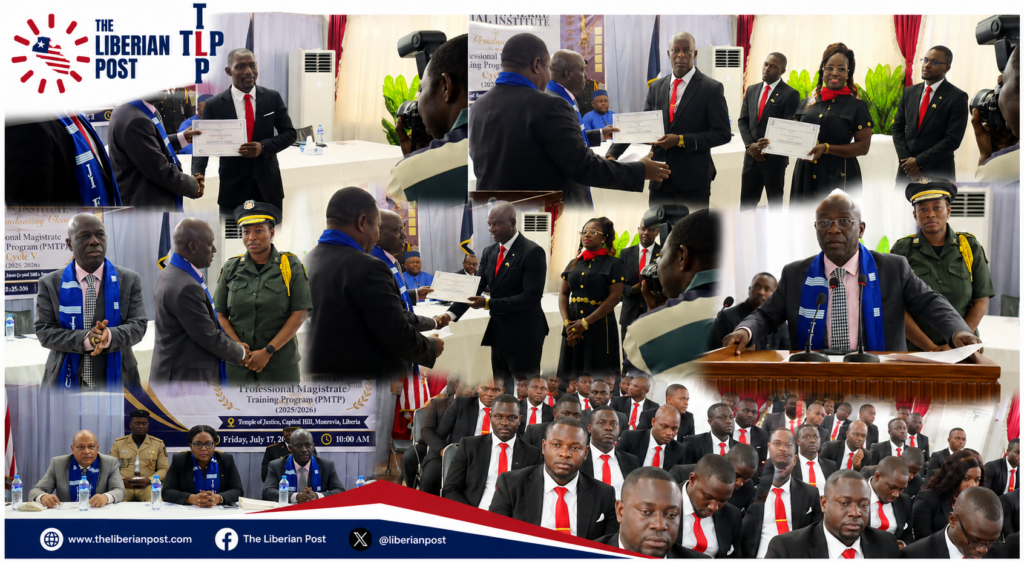
Presenting the candidates for graduation, the Institute’s Executive Director, Counselor Moses S. Soribah, informed the Board of Governors that all 64 candidates had successfully fulfilled the academic, practical and professional requirements of the Professional Magistrate Training Program.
He said the graduates demonstrated commitment, discipline and professionalism throughout their training and were fully prepared to uphold Liberia’s Constitution and laws.
“The candidates have successfully completed all academic, practical, and professional requirements of the program,” Soribah said.
“Throughout their training, they demonstrated commitment, discipline, professionalism, and dedication to upholding the Constitution and laws of the Republic of Liberia.”
He recommended that the Board formally approve the candidates for graduation, noting that their certification affirms their readiness to serve the Liberian judiciary with competence, impartiality and fidelity to the rule of law.
Board Accepts Graduates
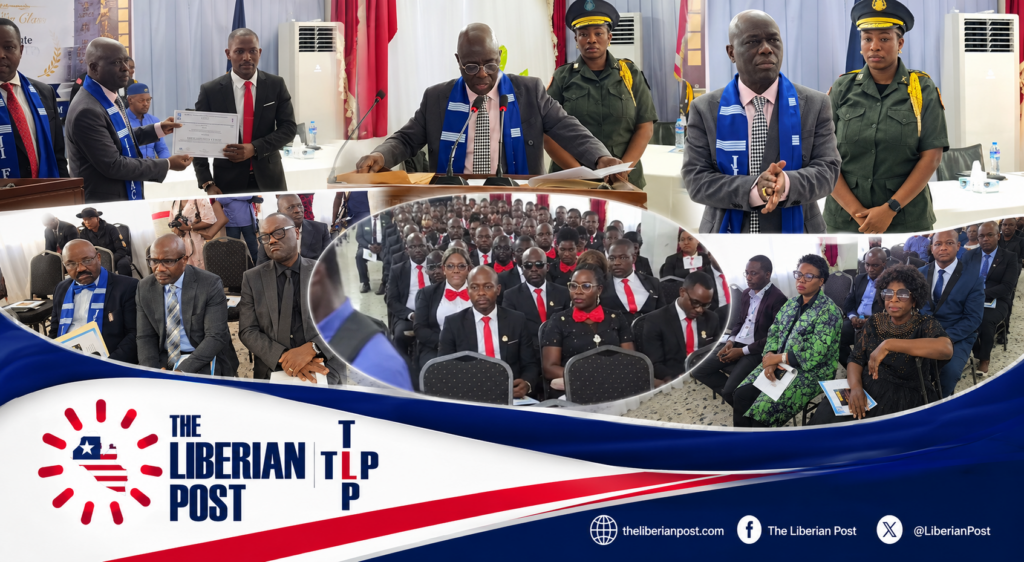
Accepting the recommendation on behalf of the Board of Governors, founding magistrate and Board member Judge Roosevelt Z. Willie congratulated the graduates while reminding them that judicial service demands unwavering integrity and accountability.
“This job you have come to do is no small thing,” he cautioned.
“You have to make sure that you exercise the authority with integrity, knowing fully well that we all have to give an account.”
He urged the graduates to faithfully discharge their duties and always uphold the integrity of Liberia’s justice system.
A Diverse Class from Across Liberia
The graduating class represents magistrates drawn from Liberia’s fifteen counties, reflecting the judiciary’s ongoing effort to improve access to justice nationwide.
During the ceremony, 13 graduates were recognized as honor students for outstanding academic performance before certificates were presented to the entire class.
The honors list was led by Josiah S. Weah of Sinoe County, who graduated with a Grade Point Average (GPA) of 3.560 and Edelle A. Pettiquoi of Grand Cape Mount County (3.530). Other honor graduates represented counties including Lofa, Montserrado, Grand Cape Mount, Maryland and Nimba.
Graduates also received magistrates’ bench books to assist them in carrying out their judicial responsibilities.
Ngafuan Highlights Judiciary’s Growing Importance
The keynote address was delivered by Finance and Development Planning Minister Augustine Kpehe Ngafuan, who described the judiciary as the cornerstone of public trust and national development.
He told the graduates that Liberia’s economic progress depends heavily on a justice system capable of protecting property rights and delivering impartial justice.
“We can design the most brilliant economic frameworks and draft ambitious development agendas,” Ngafuan said.
“But if the rule of law is weak, if property rights are insecure, and if ordinary citizens or investors cannot count on swift impartial justice, our entire economic baseline rests on sinking sand.”
He also emphasized that the latest training cycle represents an important milestone because it is now funded predominantly by the Government of Liberia rather than international donors.
According to Ngafuan, more than 90 percent of the fifth cycle’s funding came directly from the national budget, demonstrating Liberia’s growing commitment to financing its own institutional development.
Government Increases Judicial Funding
The Finance Minister disclosed that government support for the judiciary has expanded considerably under the Boakai administration.
He revealed that the judiciary’s budget increased from US$18.5 million in 2023 to US$33.3 million in 2026, representing an approximately 80 percent increase over three years.
The increased funding, he said, is supporting court construction, digitization of judicial records, improved logistics for judges and public defenders, and broader reforms aimed at expanding access to justice across Liberia.
Ngafuan further noted that the government has restored remuneration for Supreme Court Justices to pre-harmonization levels and implemented salary adjustments for magistrates and other judicial workers as part of broader public sector reforms.
Integrity Remains the Highest Calling
Addressing the graduates directly, Ngafuan urged them to resist corruption and remain faithful to the Constitution throughout their careers.
He warned that magistrates would inevitably face pressure from politicians, relatives, business people and other influential individuals seeking favorable treatment.
“The authority you carry is not your personal property,” he said.
“It belongs to the Republic of Liberia, and the Republic can take it from you.”
He also cautioned that legal brilliance without integrity could become dangerous.
“A sharp lawyer or a sharp judge with integrity is a blessing to society,” Ngafuan said.
“A sharp lawyer or judge with no integrity is a menace to society.”
Building a More Accessible Judiciary
The Professional Magistrate Training Program has operated for 16 years and serves as Liberia’s principal institution for preparing magistrates to preside over district and magisterial courts.
According to the keynote address, the program plays a critical role in addressing shortages of trained judicial personnel, particularly in rural and underserved communities where access to justice has historically been limited.
With the graduation of another 64 magistrates, judicial leaders expressed optimism that Liberia’s courts will continue to strengthen their capacity to deliver timely, impartial and accessible justice throughout the country.
The graduates will now be deployed to courts across Liberia, where they are expected to help reduce case backlogs, improve judicial efficiency and reinforce public confidence in the rule of law.
For breaking news, in-depth analysis, and exclusive reports from Liberia and around the world, follow The Liberian Post on Facebook (https://web.facebook.com/profile.php?id=61576017166570) and X, formerly Twitter (https://x.com/LiberianPost).