MONROVIA – Liberia’s long-troubled education sector could be heading for a major shake-up as the Ministry of Education of Liberia moves to enforce a nationwide teacher licensing system aimed at removing unqualified educators from classrooms and restoring professionalism within the country’s school system.
The latest reform effort revives concerns first publicly highlighted years ago by former President Ellen Johnson Sirleaf, who famously described Liberia’s education system as “a mess” following the mass failure of students who sat the University of Liberia entrance examination during her administration.
At the time, Sirleaf’s comments generated widespread national debate, with critics accusing her of embarrassing the country, while many education stakeholders quietly agreed that Liberia’s education sector was suffering from deep structural and quality challenges.
Education experts then attributed the poor performance of students largely to weak foundational learning, inadequate teacher preparation, and the presence of unqualified instructors within the school system.
Now, in 2026, the government says it is taking concrete steps to address those longstanding concerns.
Licensing Enforcement Begins
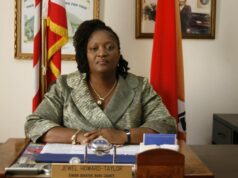
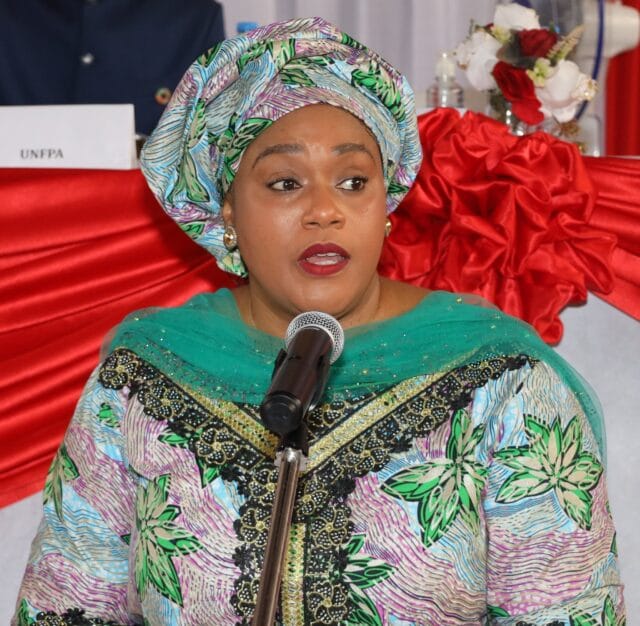
Education Minister Jarso Maley Jallah has announced that the government is proceeding with the full operationalization of Liberia’s teacher licensing system — a requirement already provided for under the Education Act but one that has not been fully enforced over the years.
Speaking with journalists over the weekend, Minister Jallah described the move as a major step toward strengthening accountability, professionalism, and quality assurance across Liberia’s education system.
According to her, the licensing regime will ensure that only qualified and competent educators are permitted to teach in Liberian classrooms.
“The enforcement of teacher licensing is about improving standards and ensuring professionalism across the education system,” Minister Jallah stated.
She explained that the initiative aligns Liberia with international best practices where professional certification and licensing are mandatory requirements for individuals seeking to work within regulated professions.
Unqualified Teachers Could Lose Classrooms
Education authorities and sector experts say the policy will directly impact teachers currently operating without the required qualifications or certification.
Under the new enforcement regime, only certified and licensed educators will be authorized to teach in schools across the country.
Officials believe the measure will significantly improve classroom instruction, strengthen teacher accountability, and enhance learning outcomes for students nationwide.
The Ministry also emphasized that the initiative is not intended to create a new law, but rather to activate and enforce provisions already contained within Liberia’s Education Reform Act.
Minister Jallah stressed that the reform seeks to elevate the teaching profession while restoring public confidence in Liberia’s educational system.
Structured Career Advancement for Teachers
Beyond regulation, the Ministry says the licensing framework will introduce a more structured professional development pathway for teachers.
According to Minister Jallah, educators will now be able to advance through clearly defined professional ranks — from entry-level teachers to proficient and expert practitioners — based on qualifications, performance, experience, and continuous professional development.
Education officials say the system is intended to encourage teachers to improve their skills while promoting merit-based advancement within the profession.
The Ministry also believes the policy will strengthen ethical standards, improve teacher preparation, and reinforce discipline within schools.
Longstanding Calls for Reform
The move comes amid growing public concern over declining academic standards and repeated calls for reforms within Liberia’s education sector.
For years, parents, civil society groups, and education advocates have demanded stronger vetting systems to ensure that only qualified individuals are entrusted with educating Liberia’s children.
Critics have frequently blamed poor student performance, weak literacy levels, and low examination success rates on inadequate teacher training and weak regulatory enforcement.
Education observers say many classrooms across the country, especially in rural areas, continue to suffer from shortages of trained and professionally certified teachers.
Pundits say the Ministry’s latest initiative represents one of the strongest attempts in recent years to professionalize teaching in Liberia and restore credibility to the country’s education sector.
“This is a necessary reform if Liberia truly wants to improve educational outcomes,” one education analyst noted. “You cannot build a strong education system with unqualified teachers in classrooms.”
Part of Broader Education Reforms
The enforcement of teacher licensing forms part of broader education sector reforms currently being pursued by the government to improve standards, enhance accountability, and build a more competent teaching workforce.
Authorities believe the reform will eventually contribute to producing better-prepared students, stronger academic institutions, and improved national competitiveness.
For many Liberians, the initiative represents the beginning of what they hope will become a serious and sustained effort to rescue and revamp the country’s struggling education system.
Follow The Liberian Post on Facebook and X (formerly twitter)