


-Nigerian Cleric Dismisses Liberian Government’s Complaint, Predicts Boakai’s Political Downfall as Diplomatic Row Deepens
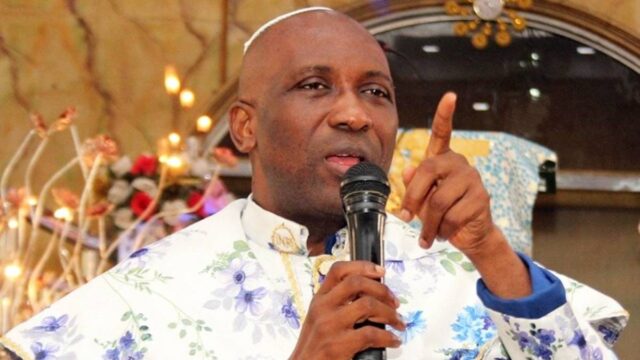
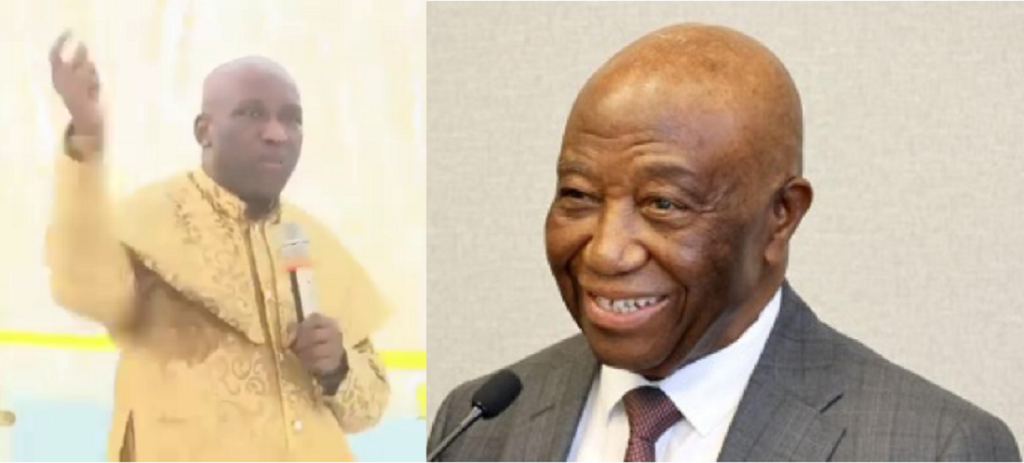
MONROVIA, Liberia – Controversial Nigerian cleric and self-styled prophet, Primate Babatunde Elijah Ayodele, has dramatically escalated his increasingly bitter feud with the Liberian government, launching a blistering new attack on President Joseph Nyuma Boakai while openly predicting the President’s defeat in the next presidential election and endorsing former President George Manneh Weah as Liberia’s next leader.
The latest outburst comes just days after the Liberian Embassy in Abuja formally complained to the Nigerian government over what Monrovia described as Ayodele’s repeated inflammatory prophecies regarding Liberia’s political future.
In remarks delivered during a recent broadcast, Ayodele doubled down on earlier predictions that Liberia faces worsening hardship under the Boakai administration and accused the President of attempting to silence him through diplomatic channels.
“Your government is satanic. Heaven has condemned your government. Your second term is a failure,” Ayodele declared. “George Weah is the next President of Liberia. Let me now come out clearly. He is the next President of Liberia.”
The remarks represent the strongest political statement yet from the Nigerian cleric, who until recently had framed his comments as prophetic warnings rather than direct political endorsements.
Diplomatic Complaint Sparks New Offensive
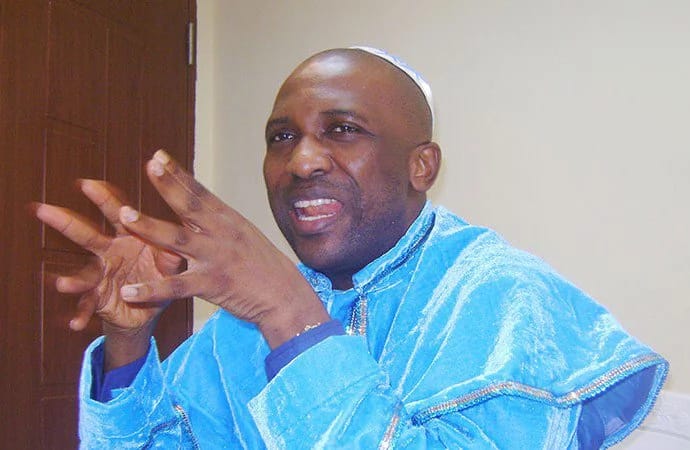
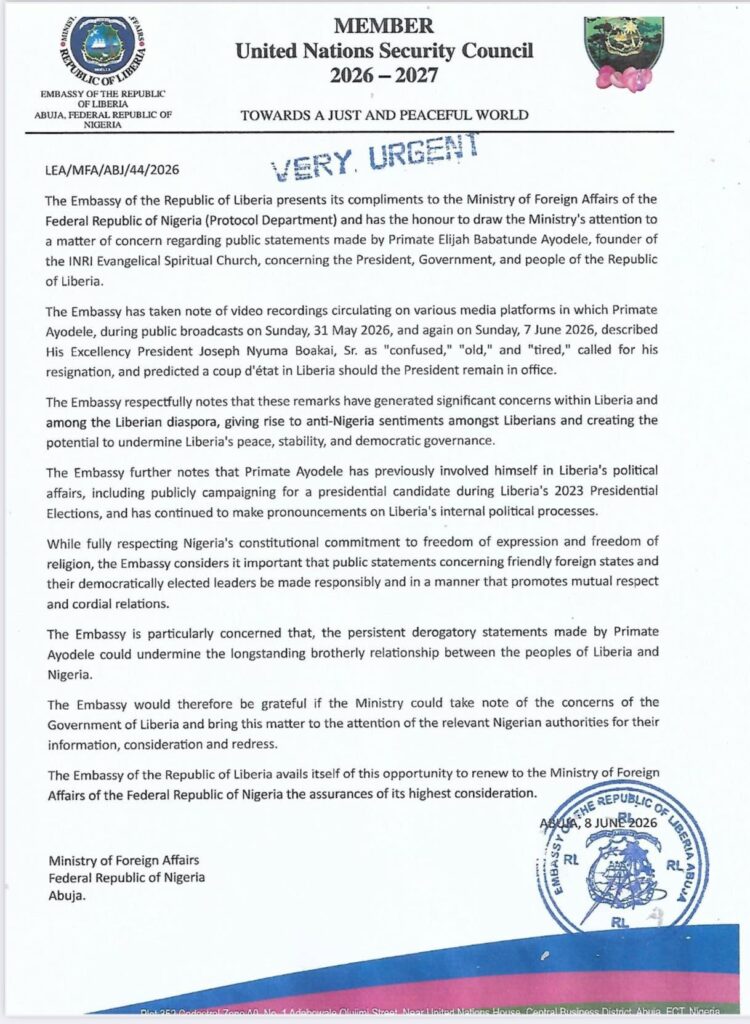
Ayodele’s latest comments followed reports that the Liberian Embassy near Abuja had submitted an official communication to Nigeria’s Ministry of Foreign Affairs expressing concern over his repeated pronouncements about Liberia’s political affairs.
The diplomatic note reportedly argued that Ayodele’s statements risked undermining public confidence, damaging Liberia’s democratic image, and creating unnecessary political tension in the country.
Liberian authorities also referenced what they described as the cleric’s continued interference in Liberia’s domestic political discourse and requested that Nigerian authorities take note of the matter.
Rather than retreating, however, Ayodele responded with even harsher language.
“Don’t write to Nigerian government. Go and write to Donald Trump,” he said. “You are wasting your ink to write to Nigerian government because of one important personality of God.”
The cleric further accused the Liberian government of attempting to distract attention from economic challenges facing the country.
“Liberia will not prosper under you, Boakai,” he asserted. “The government has problems; there is hardship.”
From Warning to Political Endorsement
The latest controversy marks a significant shift in Ayodele’s engagement with Liberian politics.
Over the past weeks, the Nigerian cleric has repeatedly issued predictions about President Boakai’s administration, claiming that the government would face political instability, economic difficulties, and declining public support.
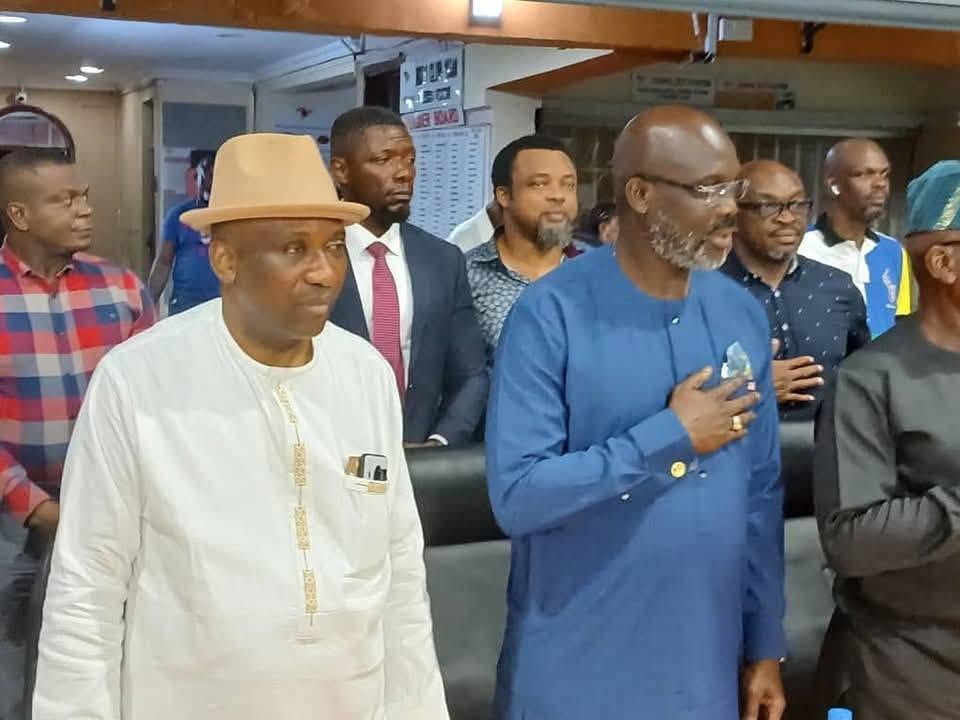
Those earlier pronouncements generated strong reactions across Liberia, particularly on social media, where supporters and critics debated whether the comments should be treated as religious prophecy, political commentary, or foreign interference.
However, his latest declaration that former President George Weah would return to power appears to have transformed the controversy from a religious matter into an overtly political one.
Political analysts note that openly predicting the electoral victory of a specific opposition figure places Ayodele squarely in Liberia’s heated political conversation.
Social Media Reactions Intensify
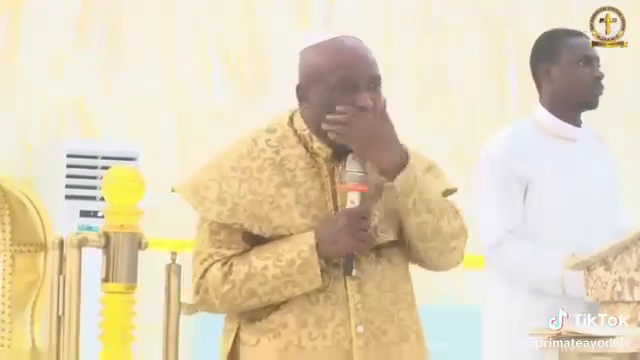
Ayodele’s remarks have continued to divide opinion across Liberia’s political landscape.
Supporters of the opposition Coalition for Democratic Change (CDC) and former President Weah have circulated many of his statements online, arguing that his predictions reflect growing public frustration with economic conditions and governance challenges.
Supporters of the Boakai administration, however, have dismissed the cleric as a political opportunist seeking attention through sensational predictions.
One of the strongest responses came from prominent Rescue Mission supporter Varney Sackey, who accused Ayodele of acting as a political surrogate for former President Weah.
In a widely circulated Facebook post, Sackey described Ayodele as a “419 Bishop” and alleged that the cleric was being used to advance a political agenda against the current government.
Sackey also rejected suggestions that prophetic declarations would influence Liberia’s political future, arguing that voters would ultimately judge leaders based on performance rather than religious predictions.
His comments were among hundreds of reactions that flooded Liberian social media platforms following Ayodele’s latest remarks.
Fake Nigerian Letter Adds New Twist
The controversy has been further complicated by the circulation of a fake letter purportedly issued by Nigeria’s Ministry of Foreign Affairs.
The document falsely claimed that the Nigerian government had rebuked Liberia for complaining about Ayodele’s statements and defended the cleric’s right to express his views.
The letter was widely shared on Facebook and was initially reposted by several influential Liberian social media platforms, including Spoon TV.
However, fact-checkers and media observers later identified inconsistencies in the document, prompting Spoon TV to remove the post and issue a public apology.
The platform acknowledged that the letter could not be verified and expressed regret for sharing inaccurate information.
Despite the exposure of the document as fraudulent, Ayodele appeared to reference it in his latest comments, thanking what he described as the Nigerian government’s response to Liberia.
“Thank you Nigeria government for giving them the right answer,” he said.
There is currently no public evidence that Nigeria’s Ministry of Foreign Affairs issued any official response supporting Ayodele or criticizing Liberia.
A Growing Regional Controversy
The dispute has evolved from a routine prophetic statement into a diplomatic and political controversy stretching across national borders.
For the Boakai administration, the issue has raised questions about the limits of foreign religious figures commenting on Liberia’s internal affairs.
For Ayodele, the confrontation has significantly amplified his visibility among Liberian audiences.
And for Liberia’s increasingly polarized political environment, the controversy has become yet another battleground in the broader struggle between supporters of President Boakai and former President Weah.
Whether Ayodele’s predictions prove politically significant remains to be seen.
What is certain, however, is that his latest remarks have ensured that the controversy surrounding his prophecies is far from over.
With the cleric now openly predicting Boakai’s defeat and Weah’s return to power, a dispute that began as a religious prophecy has rapidly transformed into one of the most talked-about political controversies on Liberian social media.
Follow The Liberian Post on Facebook (https://web.facebook.com/profile.php?id=61576017166570) and X, formerly twitter (https://x.com/LiberianPost).


The so-called prophetic message from this Nigerian man of God is neither protected free speech nor a true message from God Almighty. Genuine prophetic messages from God are always grounded in Scripture, not driven by satanic or political motives. God Almighty has never declared, and will never permit, evil to befall Liberia or its people.
Anyone who publicly supports a self-proclaimed man of God who speaks evil against Liberia and encourages a military coup against Liberia knowingly threatens the nation’s peace, security, and stability. A bishop or any Liberian who prays for military rule by calling for the overthrow of the Government of Liberia is guilty of treason and sedition against Liberia and its people.
In this public manner, we are strongly encouraging the Government of Liberia to formally indict, charge, arrest, and prosecute anyone, to include the Nigerian Bishop for knowingly and intentionally advocating for and acting in violation of Liberia’s Penal Code:
§ 11.1. Treason.
Treason against the Republic shall consist of:
(a) levying war against the Republic;
(b) aligning oneself with or aiding and abetting another nation or people with whom Liberia is at war or in a state of war;
(c) acts of espionage for an enemy state;
(d) attempting by overt act to overthrow the Government, rebellion against the Republic; insurrection and mutiny; and
(e) abrogating or attempting to abrogate, subverting or attempting to or conspiring to subvert the Constitution by use of force, show of force or by any other means which attempts to undermine the Constitution of Liberia.
§ 11.12. Sedition.
1. Offense. A person owing allegiance to Liberia has committed sedition, a felony of the second degree, if
(a) He advocates by word-of-mouth, writing or otherwise, sectionalism, countyism, tribalism, parochialism or the like, with the intent in so doing to incite the people to hostility, create disunity among the people, and divide the Nation; or
(b) He advocates rebellion, incites or in any way promotes insurrection against the authority of the Republic; or
(c) He writes or inspires the writing of any document to a foreign government or concern or any official thereof, making representation on any matter or matters properly the subject of internal inquiry and adjustment; or
(d) He accuses the incumbent President of the Republic of Liberia of conduct which constitutes a violation of his oath of office, provided, that at the time of such accusation; (1) The conduct charged is untrue; and (2) The purpose of the actor is to thereby injure the President in his reputation and create contempt for the Presidency. Penal Law, Liberian Codes Revised, Volume IV, Title 26, Approved July 19, 1976, and Published, April 3, 1978.
Comments are closed.