-Youth Minister Outlines Digital Hubs for All 15 Counties as NEC Commissioner Pushes Civic Education, Electoral Reforms and Political Inclusion
MONROVIA – Liberia’s future development, democratic stability, and economic transformation depend largely on how effectively the nation invests in its young people, Youth and Sports Minister Cornelia Wonkerleh Kruah and National Elections Commission (NEC) Commissioner Jonathan K. Weedor have declared.
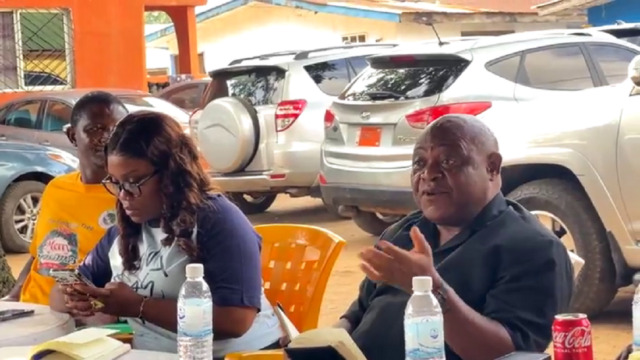
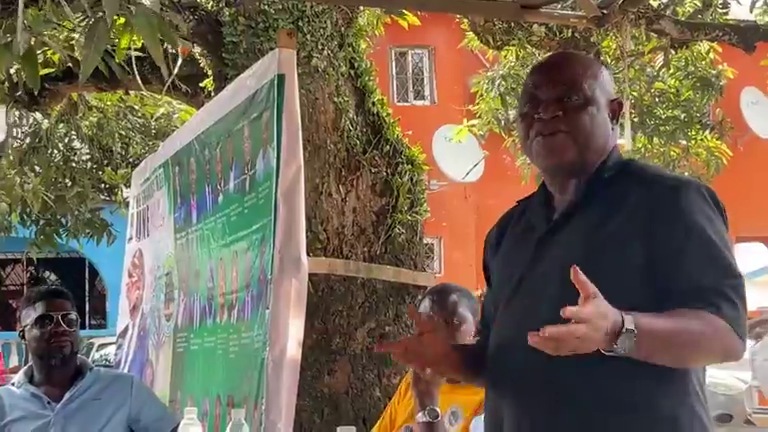
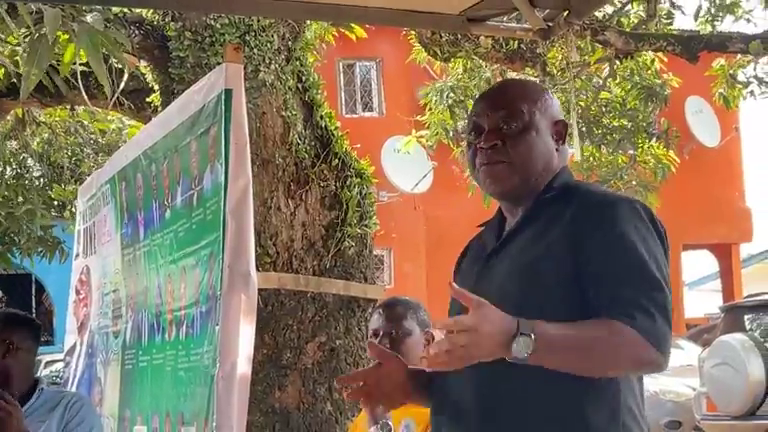
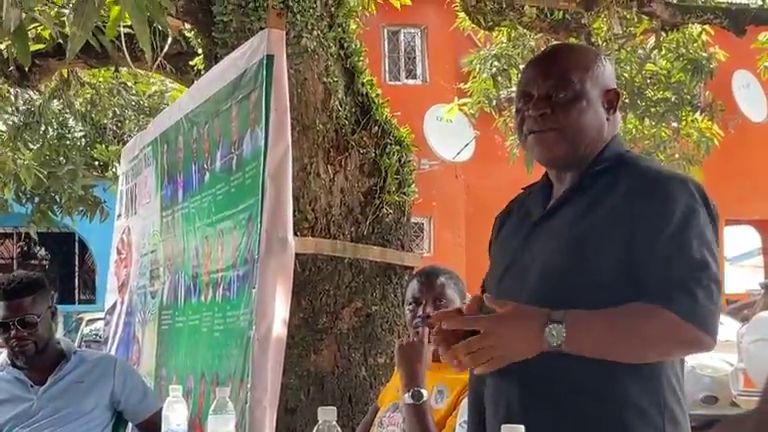
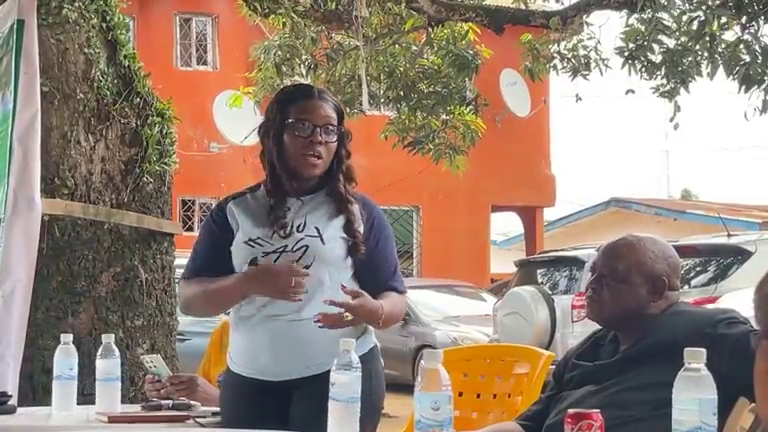
Speaking during a policy dialogue organized by the Embassy Tree, a network of young Liberian professionals, the two government officials outlined an ambitious vision centered on youth empowerment, peaceful political participation, digital innovation, job creation, and electoral reforms aimed at strengthening Liberia’s democratic credentials.
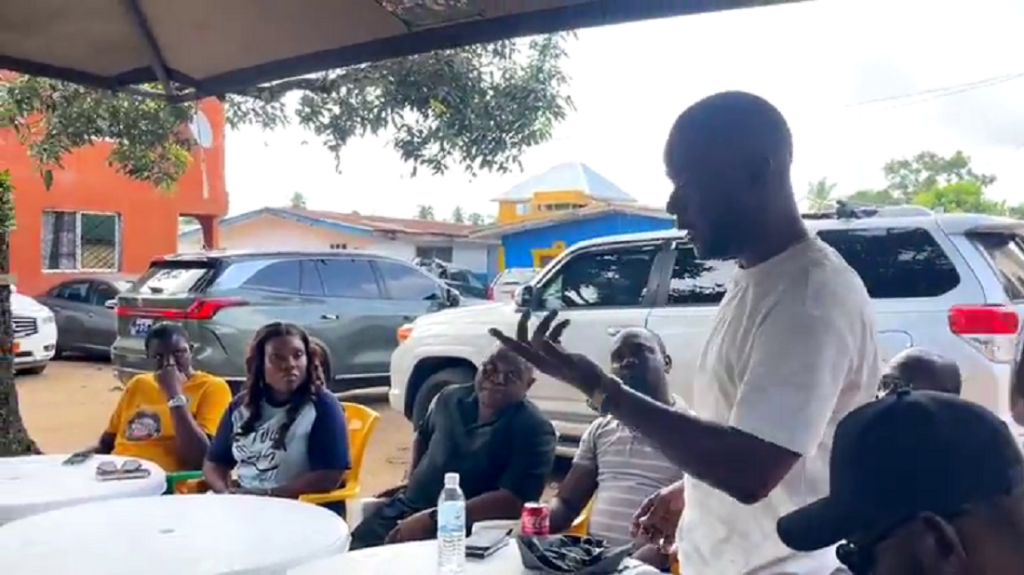
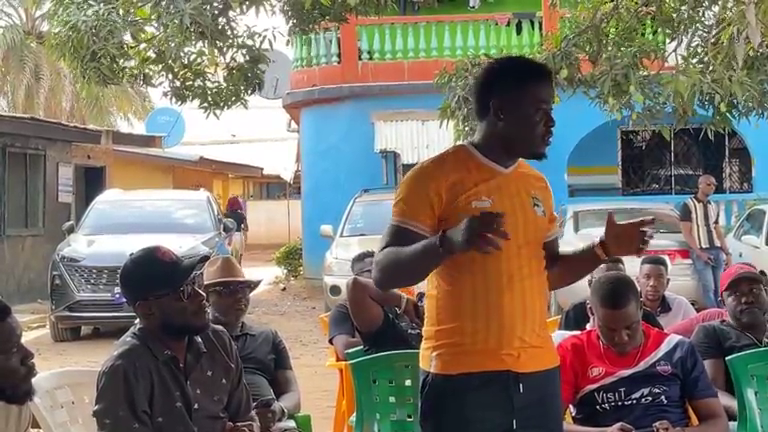
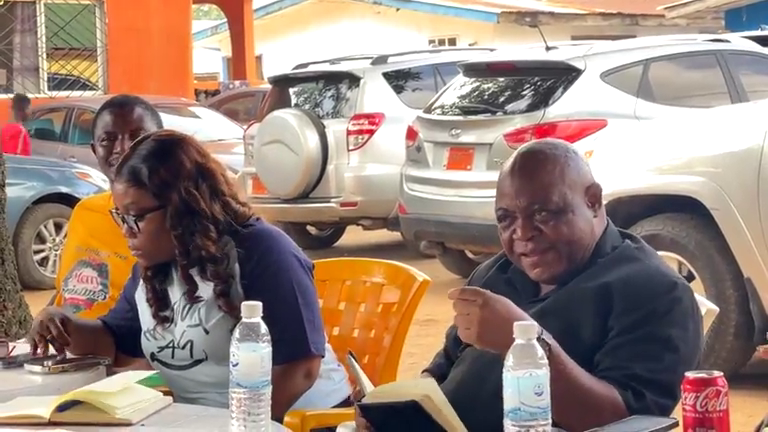
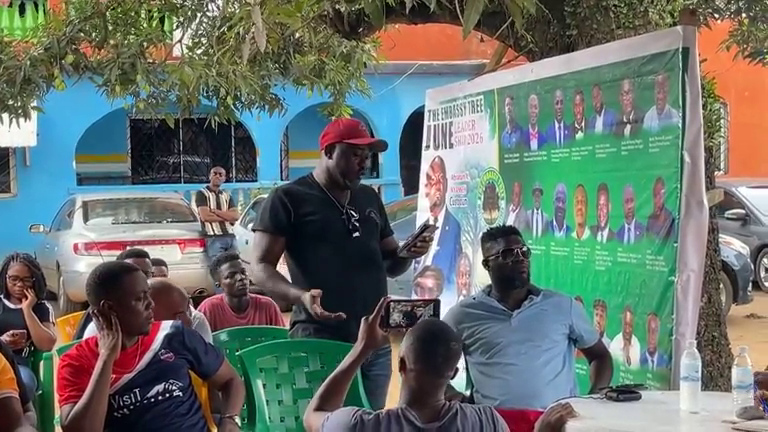
The engagement brought together scores of professionals, community leaders, youth advocates, and civil society actors who used the interactive forum to discuss governance, elections, technology, employment opportunities, and the future of youth participation in national development.
For Minister Kruah, Liberia’s greatest asset remains its youthful population, and harnessing that potential requires deliberate investments in skills development, technology, sports, leadership, and peacebuilding.

Protecting Liberia’s Democratic Legacy
Addressing participants, Minister Kruah highlighted Liberia’s growing reputation as a democratic model within the West African sub-region, citing the country’s recent peaceful transfers of political power as achievements that must be preserved.
She noted that Liberia has become an example of democratic stability, particularly following the peaceful transition from former President Ellen Johnson Sirleaf to former President George Weah and subsequently from the Weah administration to the government of President Joseph Nyuma Boakai.
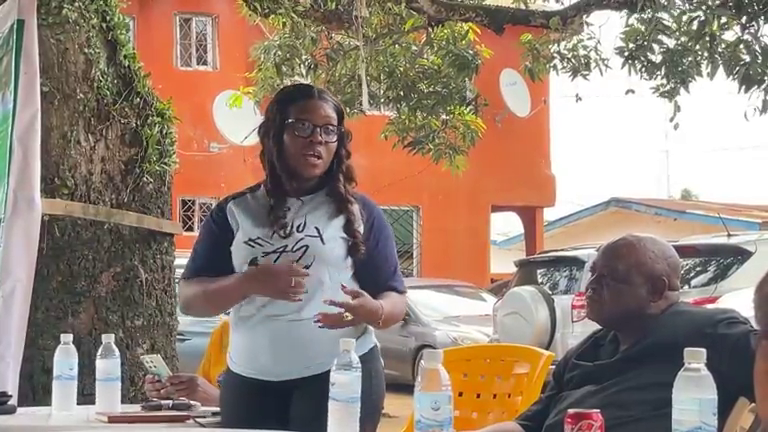
According to the minister, maintaining that democratic culture requires sustained engagement with young people, especially those affiliated with political parties.
“We continue to serve as an emblem of peace for the African continent,” she said, stressing that Liberia’s democratic gains should never be taken for granted.
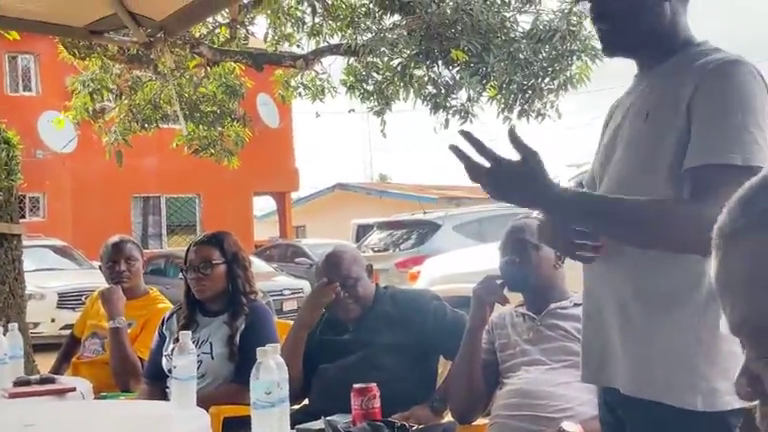
Kruah revealed that her ministry has initiated a new partnership with youth wings of political parties across the country under a Youth, Peace and Security framework designed to encourage dialogue, reduce political tensions, and promote issue-based political engagement.
The initiative seeks to establish an inter-party youth platform where young political leaders from both ruling and opposition parties can regularly debate national issues, exchange ideas, and foster peaceful coexistence despite political differences.
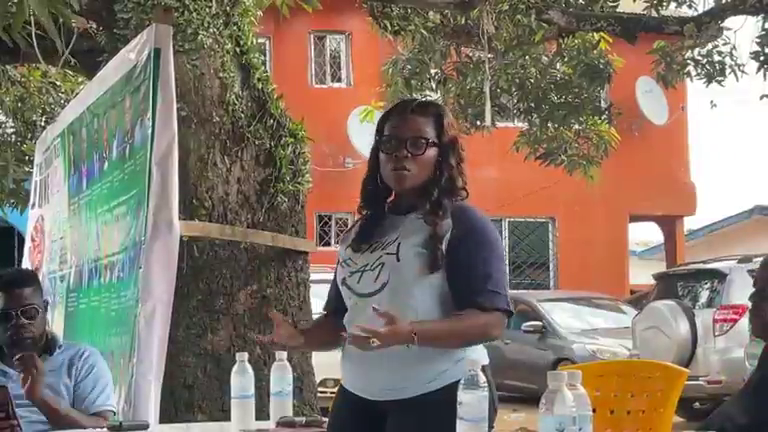
“We know that Liberia is a politically driven society. If we want to sustain peace during elections, we must engage the young people who often become the frontline participants in political activities,” she said.
Digital Hubs Planned for All 15 Counties
One of the most significant announcements from the dialogue was the Ministry of Youth and Sports’ plan to establish digital technology hubs across Liberia’s fifteen counties.
Kruah disclosed that the ministry is finalizing discussions with the Liberia Telecommunications Authority (LTA) to create county-based digital centers aimed at equipping young Liberians with practical technology skills needed in the modern economy.
Under the initiative, each county hub will train groups of young people in digital technologies, entrepreneurship, and emerging fields linked to the global digital economy. Participants will also receive startup support, including laptops, internet connectivity, and other tools necessary to launch their careers.
“We want young people to acquire skills that can directly translate into livelihoods and economic opportunities,” the minister said.
She explained that the program is designed to move beyond traditional computer literacy and instead focus on marketable skills that allow young people to earn income and compete in an increasingly technology-driven world.
The initiative comes at a time when concerns are growing over youth unemployment and Liberia’s preparedness for emerging sectors such as artificial intelligence, cybersecurity, digital services, and online entrepreneurship.

Linking TVET to Employment
The minister also unveiled plans to strengthen Technical and Vocational Education and Training (TVET) by forging closer partnerships between training institutions and concession companies operating in Liberia.
She pointed to successful models such as ArcelorMittal’s vocational training programs, where students receive industry-specific training and transition directly into employment opportunities.
According to Kruah, the goal is to ensure that vocational education responds to labor market demands and creates clear employment pathways for graduates.
“What young people need is a pathway to jobs,” she said. “Training alone is not enough if it does not lead to opportunities.”
She disclosed that her ministry and the Ministry of Labor are discussing collaborative measures aimed at connecting vocational graduates to industries that require technical skills, reducing the country’s dependence on foreign labor for specialized jobs.
Sports as a Tool for Development
As part of her broader youth empowerment agenda, Kruah announced efforts to revitalize grassroots sports across Liberia.
She said the ministry has recruited sports coordinators in all counties to organize local leagues, identify emerging talent, and strengthen pathways into national sports programs.
The initiative, she explained, is intended not only to improve athletic performance but also to promote social cohesion, discipline, and youth leadership.
The minister further emphasized the government’s determination to build a stronger national football program capable of ending Liberia’s lengthy absence from the Africa Cup of Nations (AFCON), where the country last appeared in 2002.
“We must prepare the next generation of athletes now so that Liberia remains competitive in the future,” she said.
Weedor Pushes Electoral Reforms and Civic Education
For his part, NEC Commissioner Jonathan K. Weedor focused on strengthening electoral participation and expanding civic education among Liberians, particularly young voters.
Describing peace as an indispensable ingredient of democracy, Weedor stressed that national development can only flourish in a stable political environment.
“Without peace, there can be no development,” he told participants.

The commissioner highlighted Liberia’s growing international reputation for conducting peaceful elections and democratic transfers of power, noting that the country’s progress has attracted attention across the region.
He pledged that the NEC would continue working closely with youth organizations and political parties to preserve those gains.
Tackling Civic Education Gaps
Weedor expressed concern over what he described as significant civic education gaps among voters, pointing to the large number of invalid ballots recorded during recent elections.

He argued that civic education should not be limited to election years but must become a continuous national exercise aimed at helping citizens understand their rights, responsibilities, and the electoral process.
The commissioner revealed that the NEC is exploring new approaches that would involve youth groups and civil society organizations in voter education campaigns nationwide.

According to him, strengthening voter awareness remains critical to improving democratic participation and reducing electoral misunderstandings.
Technology and the Future of Elections
Touching on electoral modernization, Weedor said the NEC is seeking to deepen the use of technology in election administration, including enhanced biometric verification systems designed to improve voter identification and strengthen electoral integrity.
He acknowledged growing discussions around digital voting and technological innovations but cautioned that reforms must be implemented carefully and in line with Liberia’s realities.
“Development must be understood within context,” he said, emphasizing that technology should improve trust and transparency rather than create new vulnerabilities.
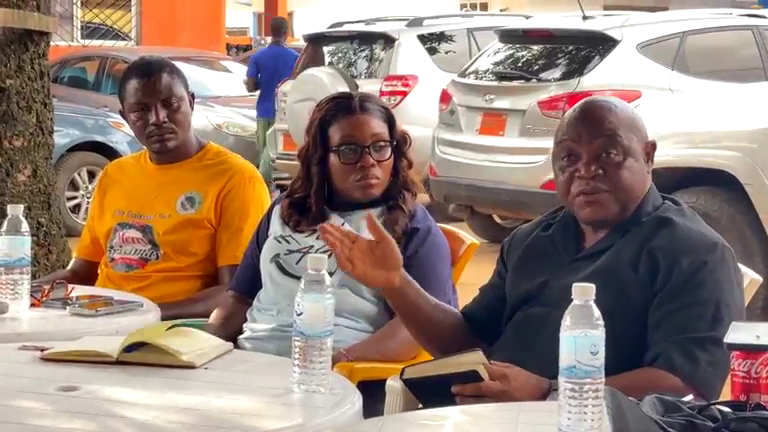
Young Professionals Demand Action
Throughout the dialogue, participants raised questions on youth unemployment, digital transformation, artificial intelligence, work permits, electoral integrity, civic engagement, and opportunities for content creators and entrepreneurs.
The discussions reflected growing expectations among young Liberians for practical solutions to economic and governance challenges.
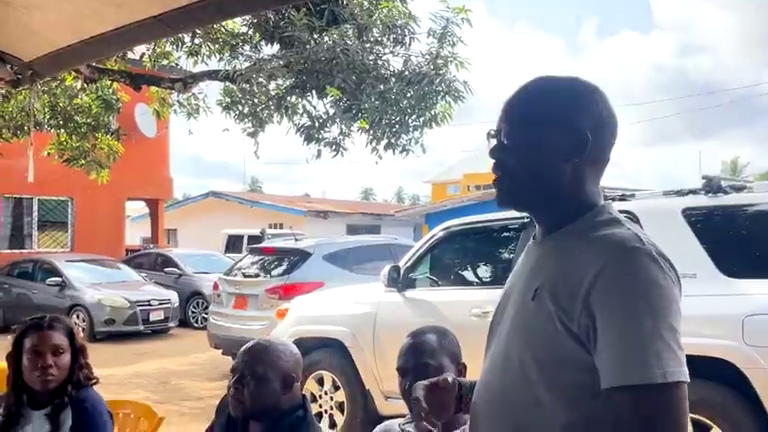
Organizers of the Embassy Tree described the forum as part of their continuing effort to connect young professionals with national leaders and create opportunities for meaningful policy conversations.
As Liberia prepares for future elections and confronts the challenge of creating jobs for a rapidly growing youth population, the messages from both Kruah and Weedor underscored a common theme: the country’s future success will depend on placing young people at the center of national development.
Follow The Liberian Post on Facebook and X (formerly twitter)