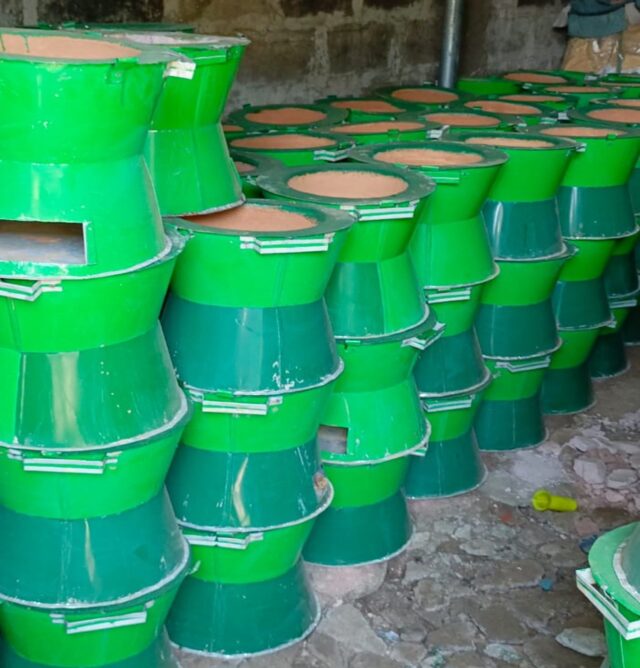
MONROVIA — What was once considered waste is now being transformed into a source of clean energy and environmental restoration, thanks to an innovative local initiative led by Green Gold Liberia.
Through a series of hands-on training sessions, the program is demonstrating how environmental remediation and renewable energy can work together, turning pollution challenges into practical, community-driven solutions.
Under the guidance of Andrew Macgona Sr. and a team of local technicians, participants recently completed intensive training in biomass briquette production, energy-efficient cookstove (eco stove) fabrication, and financial governance systems. Together, these activities highlight a circular economy model in which waste materials are not only removed from the environment but repurposed into valuable, clean-energy products.
From Pollution to Practical Solutions
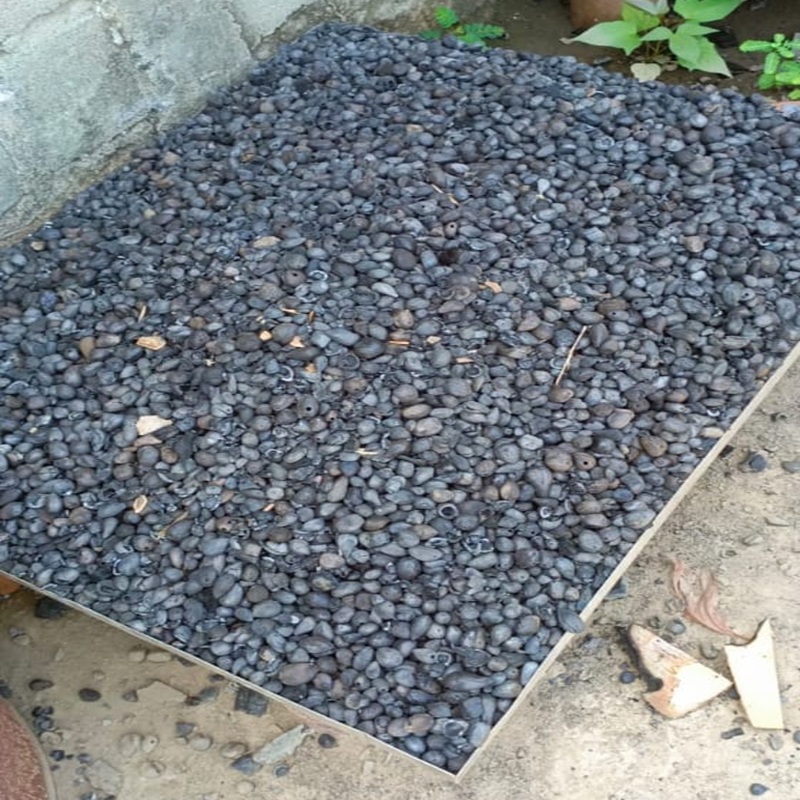
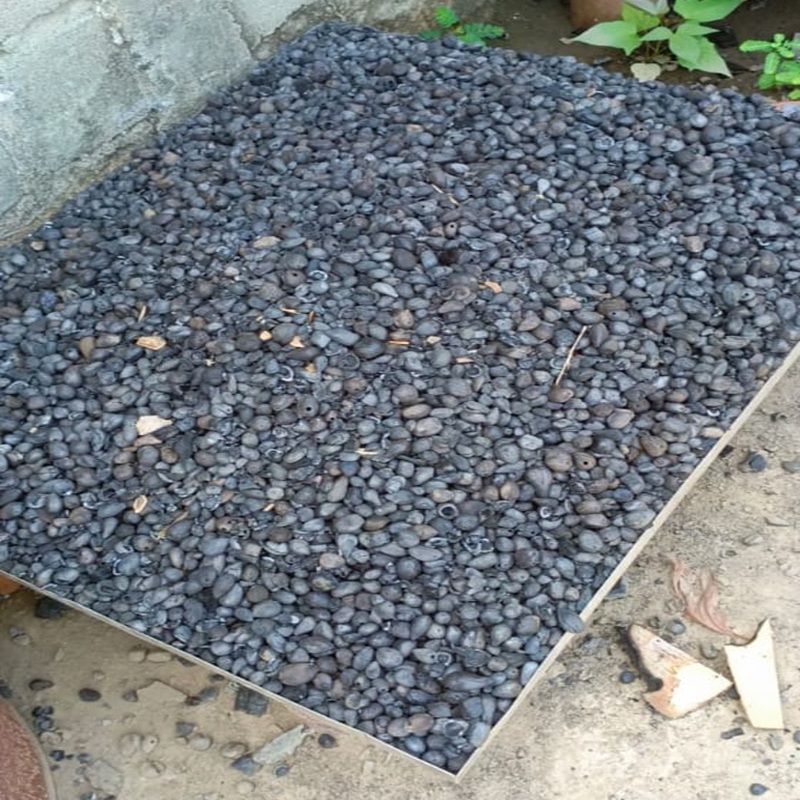
A key innovation of the initiative is the use of carbonized biodegradable materials to address multiple environmental challenges at once.
The material is first applied in the bioremediation of heavy metals from wastewater, offering a low-cost and environmentally friendly method of improving water quality. By absorbing toxic pollutants, it helps reduce the health and environmental risks associated with contaminated water sources.
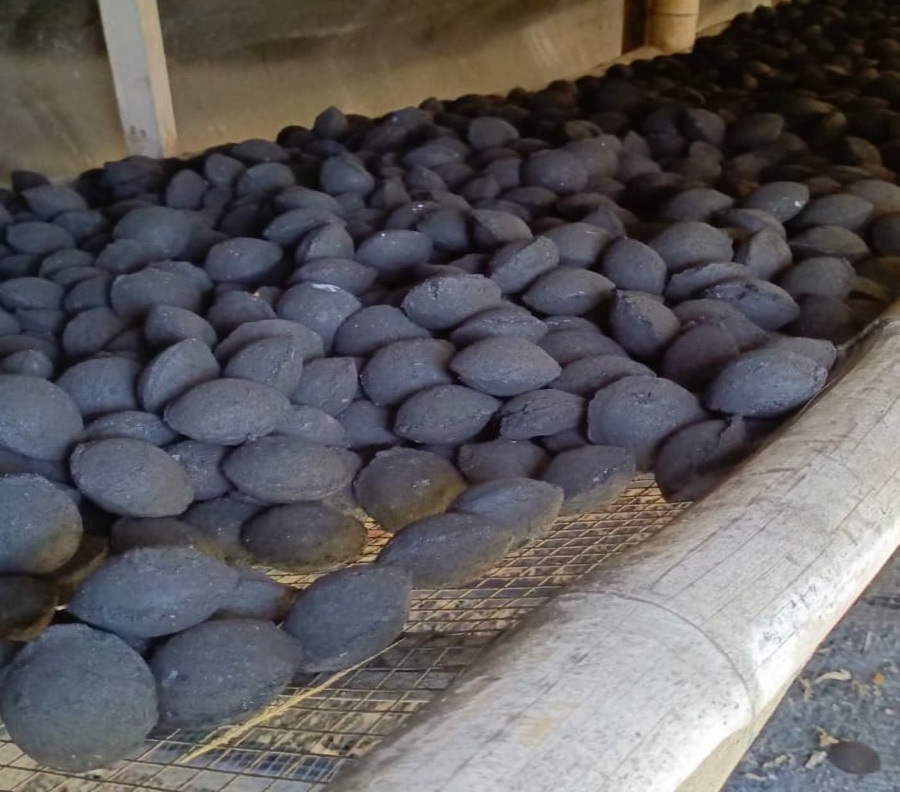
Rather than discarding the used material after treatment, the project takes the process a step further—repurposing it as feedstock for biomass briquettes, effectively turning a waste cleanup tool into a renewable energy source.
Training for Clean Energy Production
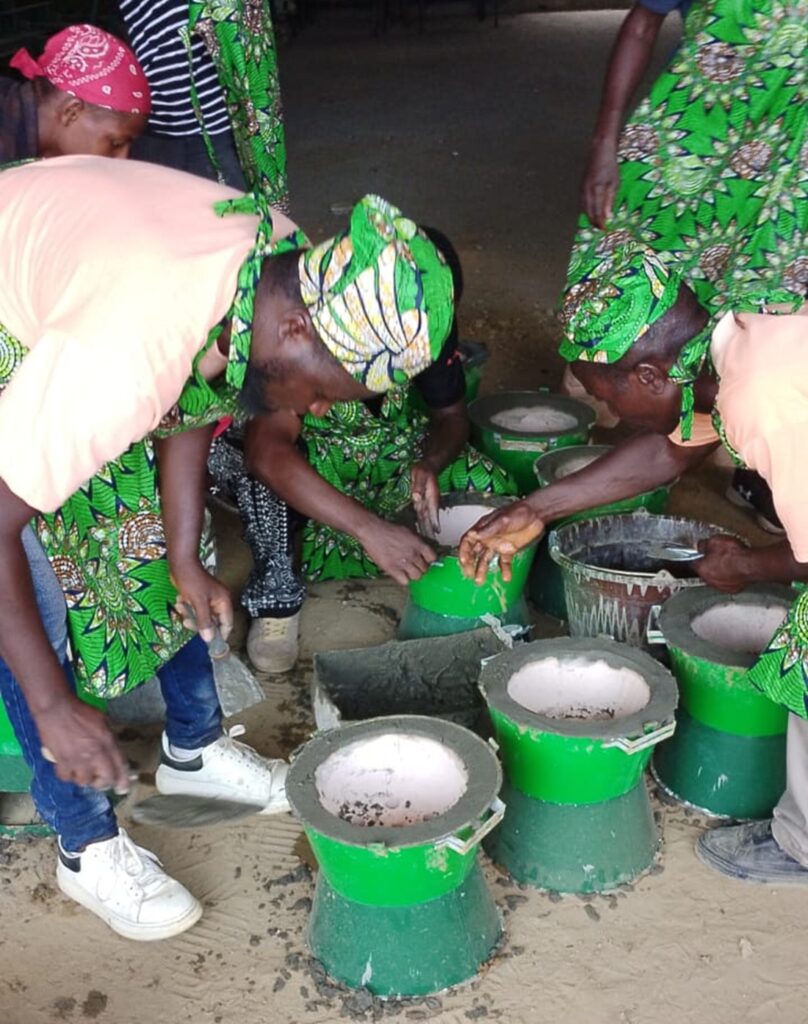
Participants were also trained across the full production cycle of clean cooking solutions.
In the biomass briquette sessions, trainees learned how to convert organic waste into solid fuel, providing a viable alternative to firewood and charcoal—two major contributors to deforestation and indoor air pollution in Liberia.
Parallel sessions focused on eco stove production, where participants fabricated metal stove bodies and prepared clay liners. The clay mixture, locally known as cume, was baked in a furnace to harden before being fitted into the metal frames, resulting in durable, high-efficiency cookstoves designed to reduce fuel consumption and emissions.
Building Sustainable Green Enterprises
Recognizing that technology alone cannot sustain long-term impact, the initiative also incorporated training in financial management and governance systems.
Participants were equipped with practical skills in budgeting, accountability, reporting, and strategic planning—key components needed to build sustainable green enterprises capable of scaling beyond the pilot phase.
“These activities show that we can solve multiple problems with one solution,” said Andrew Macgona Sr. during the training. “We are cleaning our water, reducing waste, and creating clean energy, while building local skills in finance and fabrication.”
Toward Scalable Impact
The eco stoves and biomass briquettes produced during the training are already being prepared for distribution and use within local communities. Meanwhile, the bioremediation material is undergoing further evaluation to determine its potential for large-scale application in industrial wastewater treatment.
If successfully expanded, the initiative could deliver far-reaching benefits—improving environmental protection, strengthening public health, and creating new economic opportunities for local communities.
By turning waste into fuel and pollution into opportunity, the project stands as a compelling example of how local innovation, practical skills, and sustainable thinking can drive climate-smart solutions—proving that the path to clean energy and environmental restoration can begin at the community level.
Follow The Liberian Post on Facebook and X (formerly twitter)