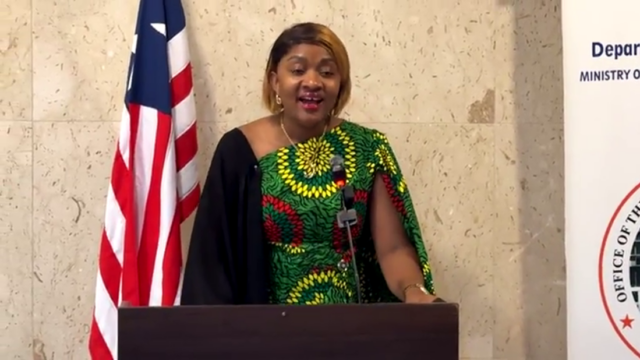
MONROVIA — Presidential Press Secretary Kula B. Fofana has underscored the significance of President Joseph Nyuma Boakai’s recent foreign engagements and sweeping digital governance reforms, describing both as critical pillars in Liberia’s development trajectory.
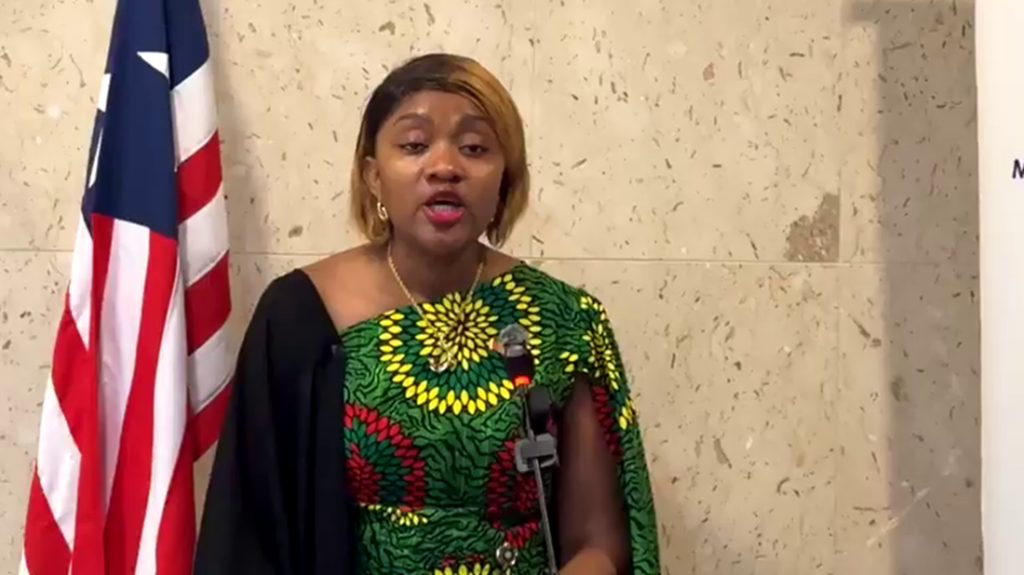
Addressing the Executive Mansion’s regular press briefing on May 1, Ms. Fofana provided a comprehensive update on the President’s activities, including his return from the United States and the signing of a major executive order aimed at transforming Liberia’s digital infrastructure.
Boakai’s U.S. Visit: Strengthening Partnerships and Global Standing
Fofana revealed that President Boakai returned to Liberia following what she described as a “very productive” working visit to the United States between April 23 and 30, 2026.
“The visit is very, very important as he continued to commit to strengthening Liberia’s international partnership in advancing peace, unlocking opportunities for national development,” she stated.
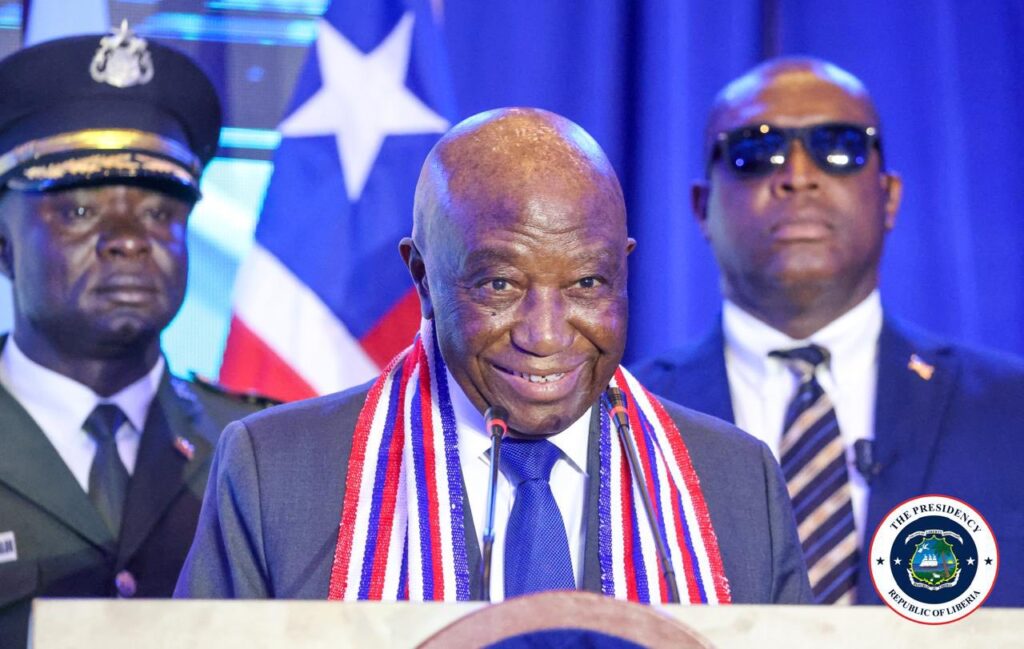
A key highlight of the trip was the President’s participation in the 34th African Peace Award Ceremony in Sacramento, California, where he was honored for his contributions to peace, democratic governance, and regional stability.
“This award… was more than a personal honor. It was a symbolic affirmation of Liberia’s long and often painful journey from conflict to stability,” Fofana emphasized.
She added that the recognition strengthens Liberia’s global image and positions the country as an active contributor to international peace discourse.
Security Sector Collaboration Takes Center Stage
The Press Secretary also disclosed that the President held high-level discussions with U.S. public safety officials, including engagements with Arizona’s public safety leadership.
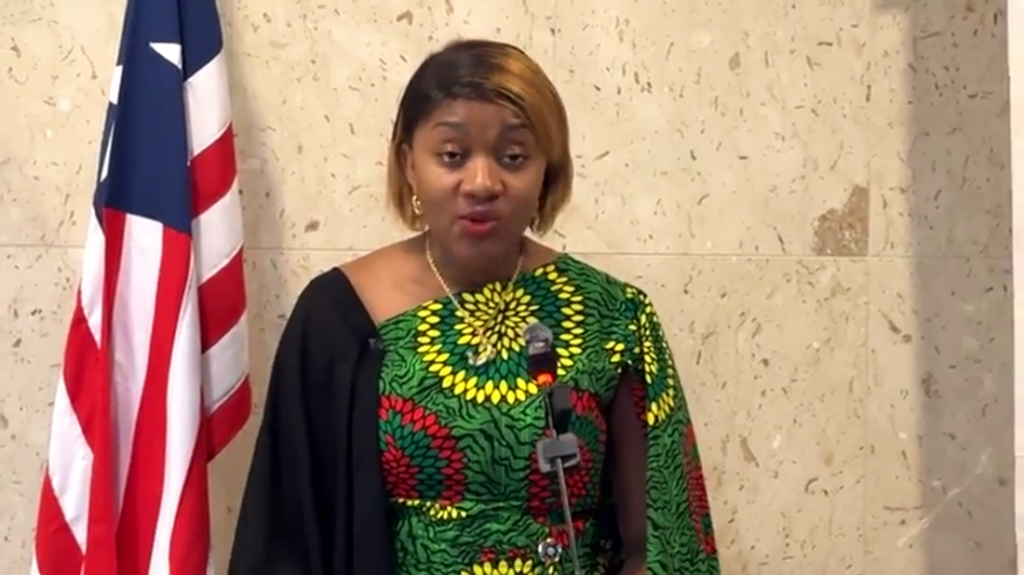
According to her, the talks focused on strengthening Liberia’s security architecture through:
- Capacity building and training for the Liberian National Police
- Enhancing investigative and forensic capabilities
- Improving community policing frameworks
- Digitalizing police records and case management systems
“The engagements are all very important in helping to modernize Liberia’s security sector and enhance public trust,” she noted.
Fofana further indicated that Liberia and its U.S. partners have agreed to establish a formal collaboration framework, including pilot training programs and technical exchanges in the coming months.
Executive Order 163: A Push Toward Digital Transformation
A major portion of the briefing focused on President Boakai’s signing of Executive Order 163, which seeks to accelerate Liberia’s transition to a digital governance system.
Fofana described the move as a “structural shift” in how government operates, noting that the order establishes the National Digitalization and Modernization Initiative (NDMI) and creates the Office of Technology, Digitalization, and Innovation (OTDI) within the presidency.
“When President Boakai signed Executive Order 163, he did more than just introduce a policy reform. He set in motion a structural shift in how Liberia government functions in a digital age,” she explained.
The initiative aims to:
- Improve efficiency in public service delivery
- Strengthen cybersecurity and data protection
- Promote transparency and accountability
- Eliminate duplication and inefficiencies across government institutions
“If You’re Not Digital, the Digital World Will Define You”
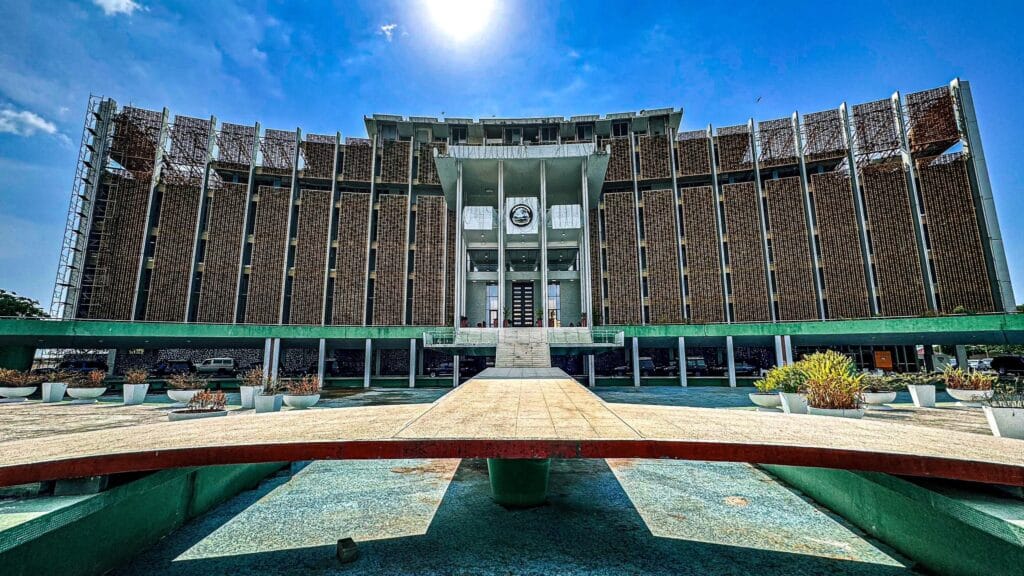
Responding to questions about the rationale behind the reform, Fofana stressed the urgency of digital transformation in modern governance.
“If you’re not in a digital space, the digital space will define you,” she asserted, highlighting longstanding issues such as fragmented systems, poor coordination, and manual processes that slow service delivery.
Using practical examples, she explained how digitalization could transform sectors like health, education, agriculture, and security—making services faster, data-driven, and more accessible.
Funding and Implementation Challenges Acknowledged
While affirming government commitment, Fofana acknowledged that funding remains a challenge.
“We live in a country where we have priorities everywhere… but the commitment of the government to ensure that this gets the highest support possible,” she said, noting that authorities are exploring both domestic and external funding avenues.
She added that the success of the initiative will depend on political will, institutional coordination, and sustained investment.
Agriculture and Self-Sufficiency Remain Core Priorities
Beyond technology, Fofana reiterated President Boakai’s emphasis on agriculture as the backbone of Liberia’s economy.
“For him, he’s really looking forward to a country where we’re able to produce our own food… eat what we grow and grow what we eat,” she said.
She disclosed that discussions held in the United States included partnerships aimed at boosting rice production, fisheries, and value chain development.
A Broader Vision for Governance Reform
In closing, Fofana framed the President’s recent actions as part of a broader governance reform agenda anchored on modernization, accountability, and inclusive development.
“The president’s vision… is really on course, and it’s important at this point in time for our country,” she concluded.
Follow The Liberian Post on Facebook and X (formerly twitter)