In any democracy, former leaders retain not only their voice but also the moral weight of the offices they once occupied. That weight demands restraint, clarity, and a heightened sense of responsibility. The Sunday, May 3rd, public remarks by former President George Manneh Weah, however, raise important concerns about tone, accuracy, and the broader implications of political speech.
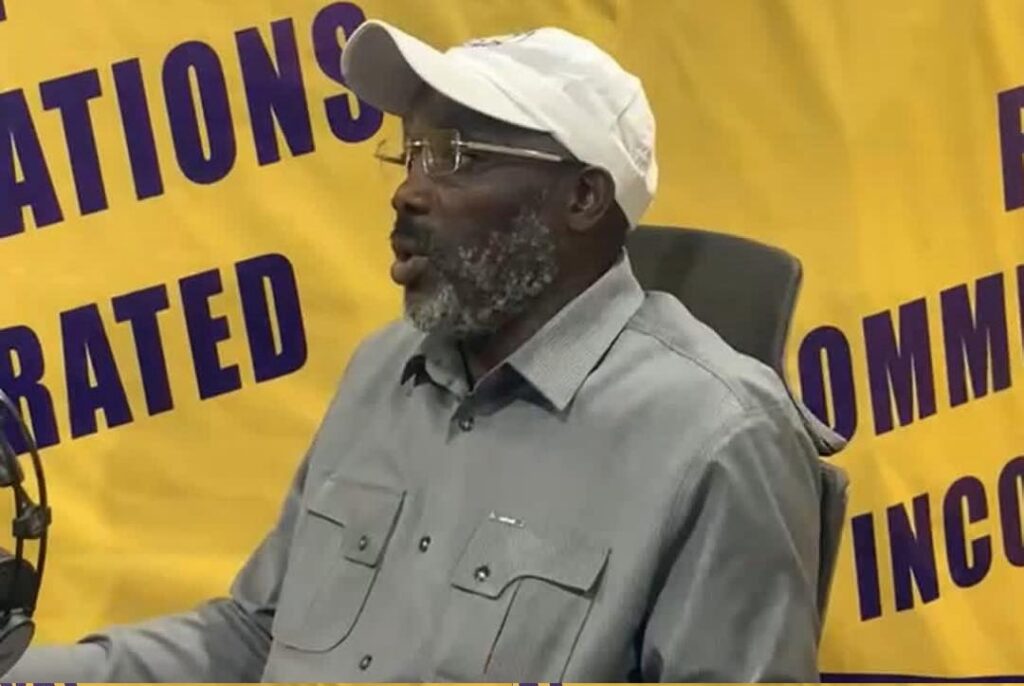
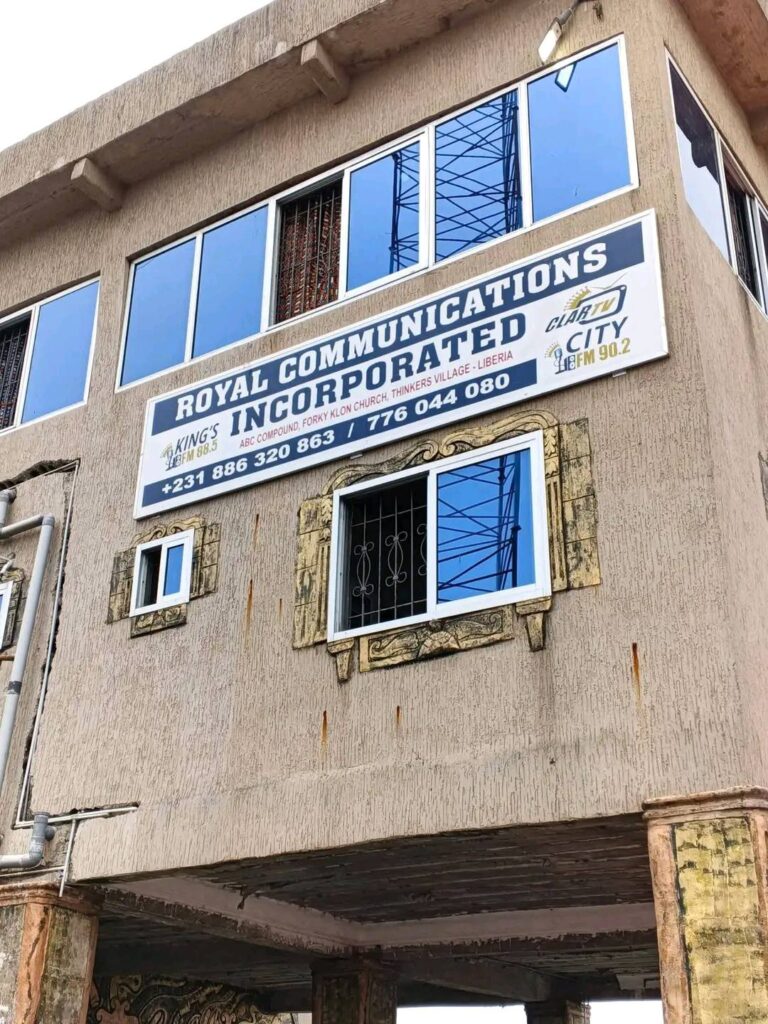
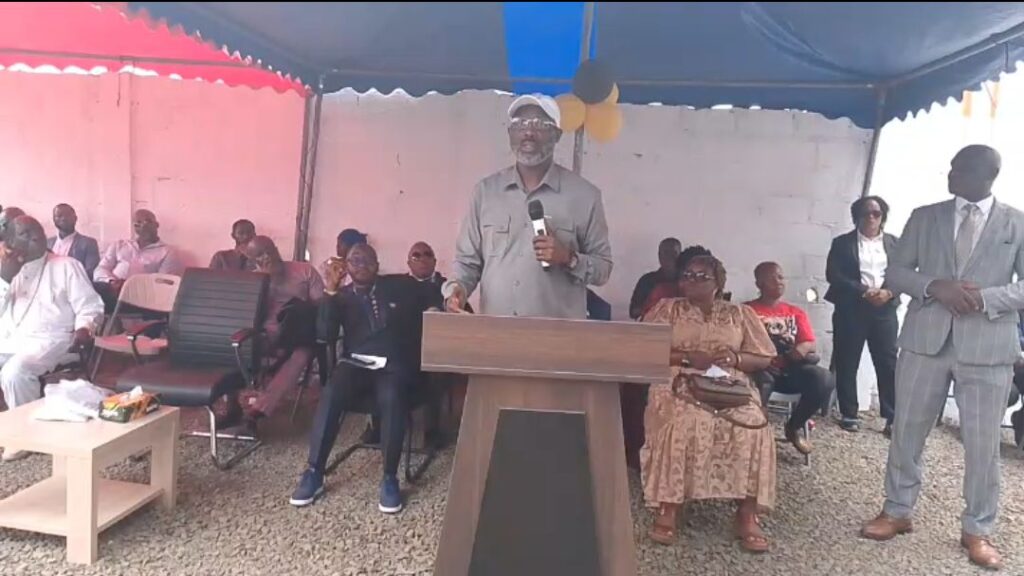
At the dedication ceremony of Weah’s King’s FM to its new home, Weah made a number of claims—some of them highly questionable, others unnecessarily provocative. Among them was the assertion that he personally provided the first-ever bus to the University of Liberia since 1847. That statement, on its face, invites scrutiny. It is not merely a political talking point; it is a claim about institutional history—one that risks distorting public understanding if left unexamined.
The issue here is not whether the former President contributed to the university or supported students—he likely did, and such efforts should be acknowledged. The concern is the manner in which such contributions are presented. Public statements by a former head of state must be grounded in verifiable fact, not rhetorical exaggeration. When they are not, they weaken the credibility not only of the speaker but of public discourse itself.
Mr. Weah is not an ordinary citizen. He is a former President of the Republic, a figure whose words carry influence far beyond partisan politics. His statements shape narratives, inform public opinion, and, in some cases, become part of the historical record. That reality requires a higher level of discipline—especially in an environment where misinformation can easily take root.
There is also the matter of tone. Political disagreement is natural; it is, in fact, essential to democracy. But when criticism is framed through sweeping claims, personal grievances, or loosely substantiated assertions, it risks inflaming rather than informing. Liberia’s democratic space benefits far more from thoughtful critique than from rhetorical escalation.
This is why circumspection matters. A former President must speak not only as a political actor but as a statesman. That distinction is critical. It requires the ability to separate personal frustration from public responsibility, and political ambition from national interest.
One practical step forward is simple but important: preparation. Public remarks—especially those delivered at high-profile events—should be carefully structured and, where necessary, scripted. This is not a limitation; it is a safeguard. It ensures accuracy, reinforces clarity, and preserves dignity. Diplomacy is not only for international forums—it is equally vital in domestic political communication.
Liberia has made meaningful progress in strengthening democratic engagement, and former leaders have a vital role to play in consolidating those gains. That role includes modeling responsible speech, respecting institutional integrity, and contributing to a political culture grounded in truth and mutual respect.
Mr. Weah’s legacy is still being written—not only through the policies of his administration but through the words he continues to speak. The challenge before him is clear: to rise above the immediacy of political contestation and embrace the enduring responsibility of statesmanship.
Liberia deserves that standard. And so does the office he once held.
Follow The Liberian Post on Facebook and X (formerly twitter)