MONROVIA, LIBERIA — The Central Bank of Liberia (CBL) has announced major reforms to Liberia’s Collateral Registry System aimed at expanding access to credit, modernizing the country’s financial infrastructure, and accelerating private sector growth.
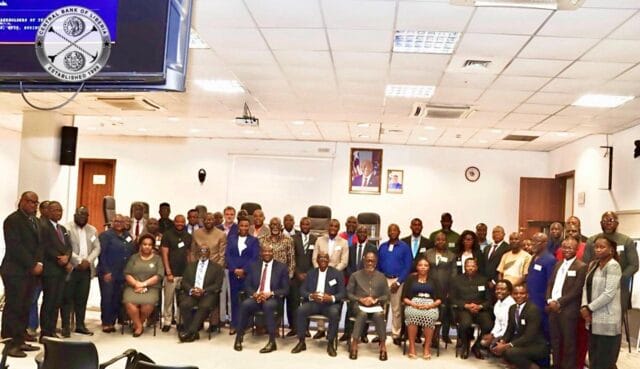
The announcement was made by CBL Executive Governor Henry F. Saamoi during the opening of a Stakeholders’ Validation Workshop on the Draft Amended Collateral Registry System Regulation held in Monrovia.
Governor Saamoi described the proposed reforms as a critical step toward addressing longstanding barriers that have prevented many Liberians — especially small businesses, farmers, and entrepreneurs — from accessing formal financing.
According to him, while Liberia’s existing Collateral Registry System has improved secured lending by allowing movable assets such as equipment, inventory, vehicles, and receivables to be used as collateral, significant gaps still remain within the country’s credit system.
“Many viable businesses — particularly in the agriculture and informal sectors — remain excluded from formal credit opportunities due to restrictive traditional lending practices,” Governor Saamoi stated.
Expansion to Include Land and Buildings
One of the most significant proposed reforms involves expanding the collateral framework to include immovable assets such as land and buildings.
The CBL Governor explained that the move is intended to significantly broaden the pool of acceptable collateral available to households and businesses seeking financing.
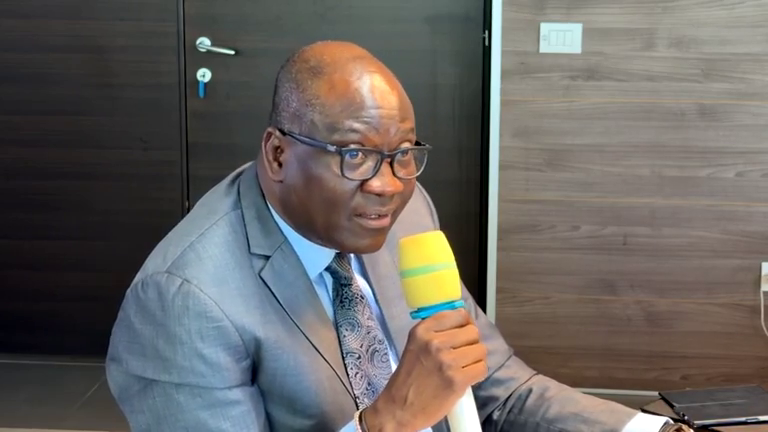
“To address these challenges, the proposed amendments seek to expand the framework to include immovable assets such as land and buildings, significantly broadening the pool of bankable collateral and creating new financing opportunities for households and businesses nationwide,” Saamoi emphasized.
Financial experts say the reform could become a major breakthrough for Liberia’s credit market, particularly for small and medium-sized enterprises that often struggle to meet traditional collateral requirements imposed by commercial banks and lending institutions.
The initiative is also expected to improve financial inclusion and stimulate investment within key sectors of the economy, including agriculture, trade, construction, and small business development.
Stakeholders Review Draft Regulations
The validation workshop brought together representatives from commercial banks, insurance companies, fintech and mobile money firms, microfinance institutions, development partners, and members of the legal community.
Participants reviewed and validated the draft amended regulations governing Liberia’s Collateral Registry System as part of broader consultations before implementation.
The workshop forms part of ongoing efforts by the Central Bank to strengthen Liberia’s financial sector architecture and improve the country’s investment climate.

World Bank, IFC Support Recognized
Governor Saamoi also acknowledged the continued technical and financial support being provided by the World Bank Group and the International Finance Corporation (IFC) in advancing Liberia’s financial sector reforms.
The World Bank and IFC have been supporting several initiatives aimed at improving financial access, strengthening banking regulations, promoting digital finance, and enhancing private sector development in Liberia.
Economic analysts say improving access to credit remains one of the biggest challenges confronting Liberian businesses, especially small enterprises operating outside the formal economy.
Many entrepreneurs and farmers continue facing difficulties obtaining loans because they lack conventional collateral acceptable to commercial banks.
Observers believe the proposed reforms could significantly expand lending opportunities while helping unlock greater private sector participation in Liberia’s economic growth agenda.
The Central Bank’s latest initiative also aligns with broader national efforts to stimulate economic recovery, attract investment, create jobs, and support entrepreneurship under the Boakai administration’s development priorities.
Follow The Liberian Post on Facebook and X (formerly twitter).