


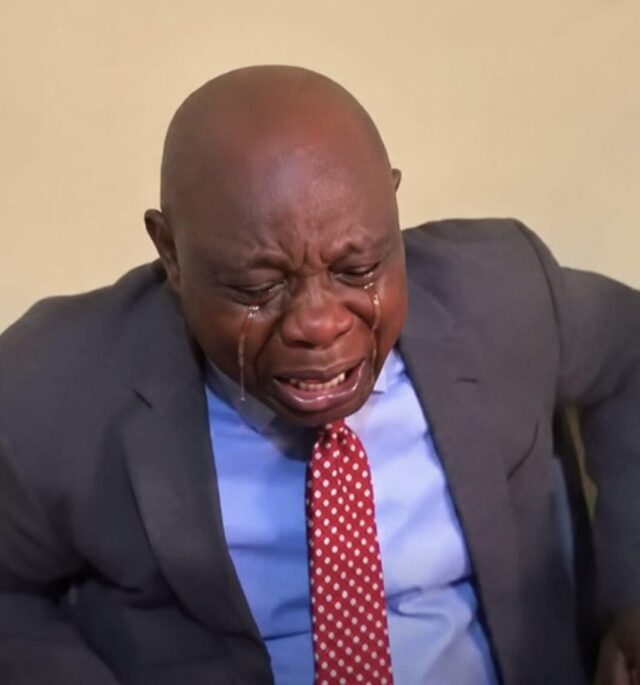
MONROVIA — A major new controversy has erupted in the ongoing criminal trial involving former Finance and Development Planning Minister Samuel D. Tweah and several former officials of the past administration, following reports of alleged jury tampering that have now triggered an independent investigation being conducted behind closed doors.
The latest development has intensified public attention surrounding one of Liberia’s most politically sensitive corruption and economic sabotage cases, while also exposing visible fractures within the defense team representing the former officials.
At the center of the growing storm are allegations that some jurors connected to the case may have been improperly influenced in an attempt to secure a favorable outcome for the defendants, particularly former Minister Tweah.
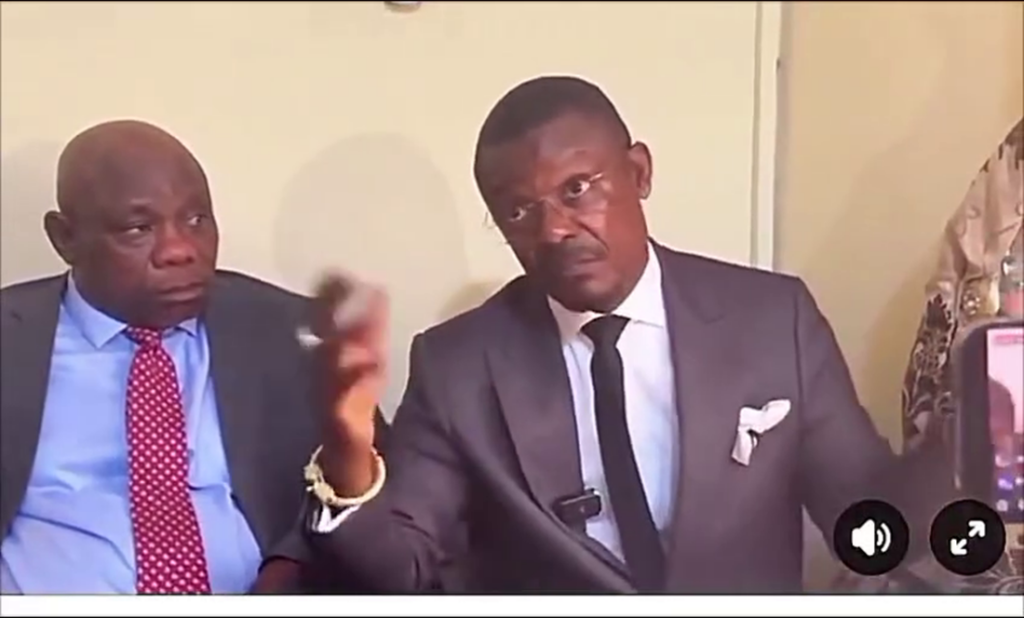
Though court authorities have not publicly confirmed details of the investigation, multiple reports circulating in legal and political circles claim that jurors may have allegedly been offered as much as US$50,000 to influence the outcome of the case.
The allegations remain unconfirmed, and no formal charges connected to the purported bribery claims have yet been announced by investigators.
The reports have nonetheless shaken confidence in the proceedings and fueled intense speculation across Monrovia, especially on social media, where claims have also circulated that some members of the jury were allegedly sympathetic to, or associated with, the former ruling Congress for Democratic Change (CDC), the political establishment under which the controversial financial transactions occurred.
Former Minister Tweah himself is a prominent member of the CDC, the party formerly led by ex-President George Weah.
The criminal proceedings stem from allegations surrounding the controversial handling and disbursement of approximately US$6.2 million reportedly intended for the importation and operational support of newly printed Liberian banknotes during the previous administration.
State prosecutors allege that the funds were unlawfully diverted and mismanaged by senior government officials, including former economic managers.
During earlier proceedings, Tweah reportedly admitted on the court record that he authorized the release of the money from the Central Bank of Liberia, a statement that prosecutors believe is critical to establishing accountability in the case.
However, the former minister and his legal team have consistently maintained that all actions taken were lawful and conducted within the framework of government operations at the time.
The defense has also repeatedly characterized the prosecution as politically motivated and intended to target officials of the former CDC-led government.
But as the jury tampering allegations gained momentum, tensions among members of the defense team themselves spilled into public view.
Outside the courtroom and in the presence of journalists, senior defense lawyer Micah Wilkins Wright openly lashed out at fellow defense attorneys Arthur Johnson and Norris Tweah during a heated verbal exchange.
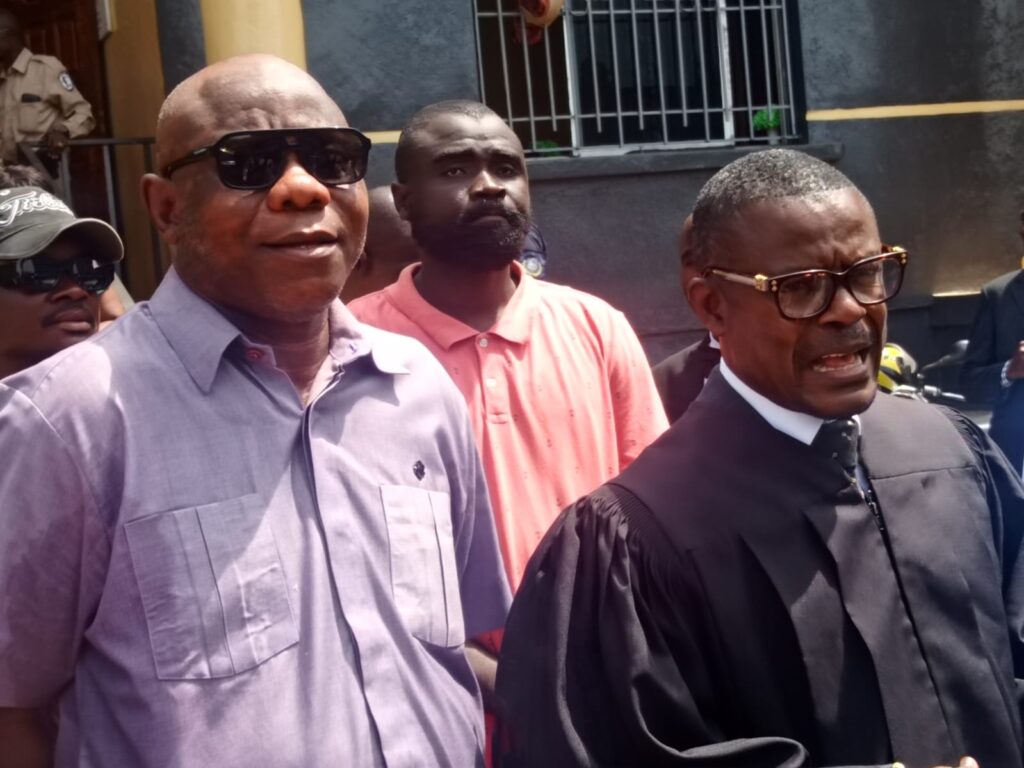
“I hate stupid people. If a lawyer commits a crime, for example by bribing jurors in a case, he or she must be investigated. And, if found guilty, he or she must go to jail,” Cllr. Wright declared angrily.
He further warned that he could distance himself from the legal team if the controversy continues escalating.
“This is just an act of showing off. If this continues, I wouldn’t be a part,” he added.
Cllrs. Johnson and Norris Tweah, however, strongly objected to the manner in which the investigation is being conducted.
According to them, the court lacks the jurisdiction to directly pursue lawyers under the present process being used in the alleged jury tampering inquiry.
“The matter should follow a different legal path and not be handled in its current form. This is a witch-hunt,” Cllr. Johnson argued.
The sharp disagreement has raised concerns about internal divisions within the defense camp at a crucial stage of the proceedings.
Legal analysts say allegations involving jury tampering are among the gravest threats to the integrity of any judicial process because they undermine public confidence in the courts and the rule of law.
If substantiated, the allegations could potentially lead to criminal prosecutions, dismissal of jurors, mistrial applications, or broader disciplinary proceedings involving lawyers and court officers.
So far, the court has remained publicly silent on the specifics of the closed-door investigation, including who exactly may be under scrutiny or whether any arrests or formal indictments are imminent.
Meanwhile, the case continues to dominate national political discourse, with supporters and critics of the former CDC administration sharply divided over the prosecution and its implications for accountability, governance, and the independence of Liberia’s judiciary.
As the investigation unfolds, attention now turns to whether the jury tampering allegations will fundamentally alter the direction of the trial or deepen the already fierce political tensions surrounding the high-profile case.
Follow The Liberian Post on Facebook and X (formerly twitter).



Jury tampering is a grave criminal offense under Liberia’s Penal Code and Criminal Procedure Law. Under Liberian Law, it is defined as any improper attempt to influence the vote, decision, or deliberations of a grand jury or trial jury outside the ordinary judicial process. Such conduct is intended to secure a guilty or not guilty verdict favorable to the accused or to certain co-defendants facing prosecution by the State.
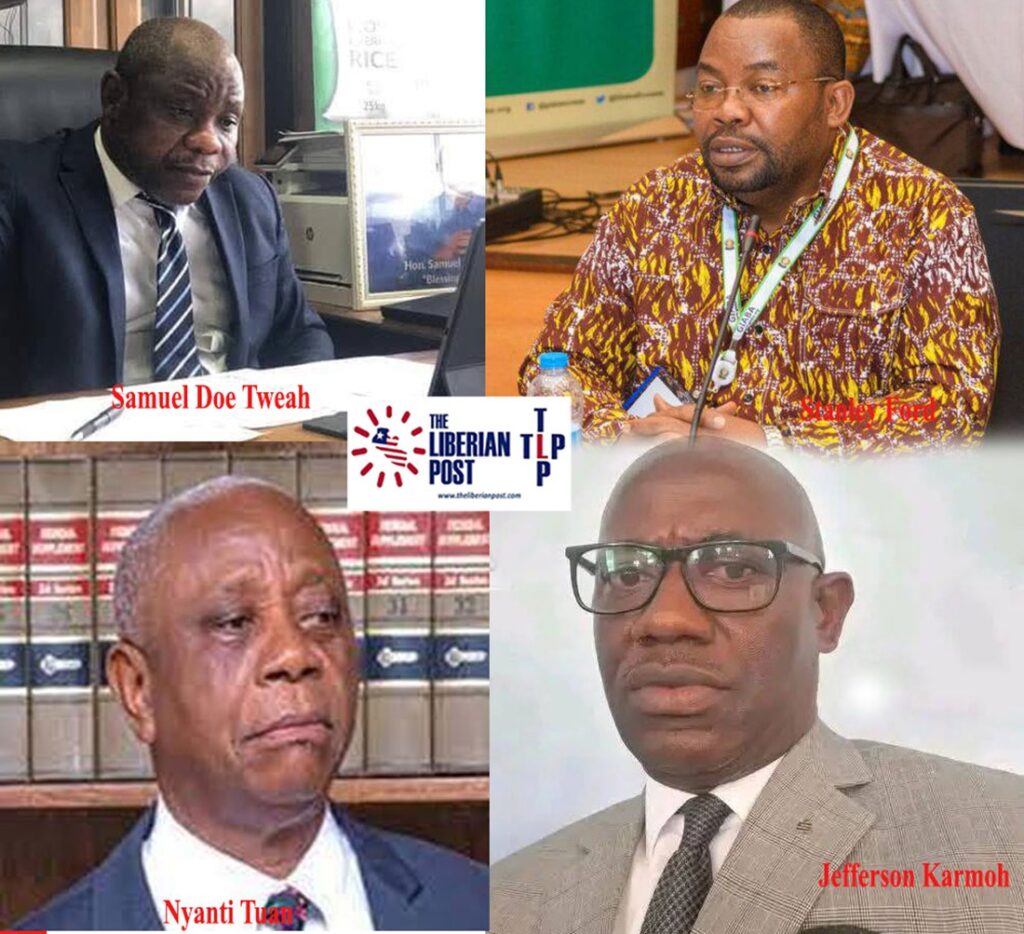
In the present case, the Republic of Liberia indicted, arrested, and prosecuted Mr. Samuel D. Tweh, former Minister of Finance and Development Planning; Cllr. Nyanti Tuan, former Acting Minister of Justice; Mr. Jefferson Karmoh, former Security Advisor to President George M. Weah; Mr. Moses Cooper, former Comptroller; and Mr. Ford. Mr. Tweh and his fellow co-defendants were arrested, indicted, charged, and prosecuted for economic sabotage, theft of property, misapplication of entrusted property, criminal conspiracy, and money laundering.
Jury tampering is a serious criminal offense that occurs when a person bribes a grand juror or petit juror to improperly influence the juror’s vote or decision and secure a verdict favorable to the accused. Any person who gives money or anything of value for that purpose commits a first-degree felony. Under Section 15.50 of the Liberian Penal Code, both the person offering the bribe and the jurors receiving it are criminally liable and may be arrested, indicted, and prosecuted for both the crime of obstruction of justice and bribery.
Under Liberian law, any person who offers a bribe or anything of value to influence a juror’s verdict is guilty of jury tampering, and both the giver and the recipient of the bribe are criminally liable for that offense. Attorneys and counselors who allegedly participated in such conduct may also face professional discipline, including suspension of their licenses and disbarment from the practice of law in Liberia and imprisoned.
Anyone found guilty of jury tampering in the Samuel D. Tweh and others case could be charged and prosecuted under:
§ 12.50. Bribery of Liberia’s Penal Code:
1. Offense. A person commits bribery, a second-degree felony, if he knowingly offers, gives, agrees to give, solicits, accepts, or agrees to accept a thing of value as consideration for:
(a) An official act by the recipient in his capacity as a public servant; or
(b) A breach by the recipient of a known duty as a public servant.
Comments are closed.