–Gbarnga Retreat Puts Boakai-Koung Re-Election at Center of Governing Coalition’s Strategy as Opposition Figures Gather at Weah’s Jamaica Resort
MONROVIA, Liberia — Liberia’s 2029 presidential election may still be more than two years away, but the country’s two major political camps are already positioning for the contest, with the ruling Unity Party-led coalition moving to consolidate its alliances while former President George Manneh Weah works to bring opposition forces around the same table.
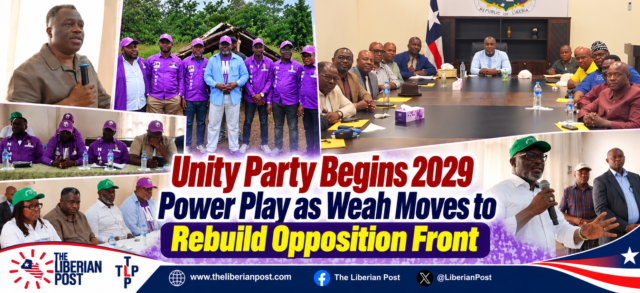
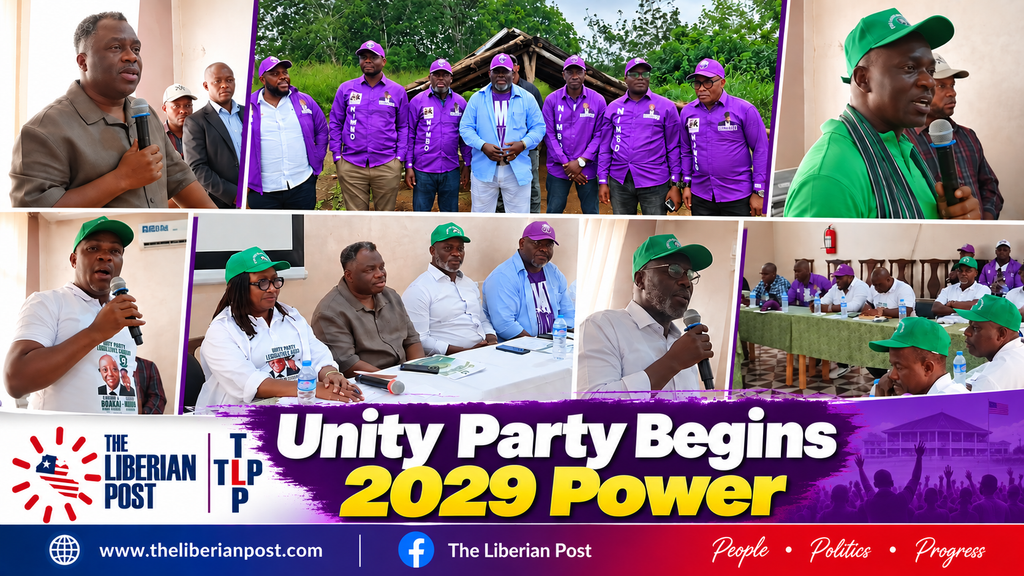
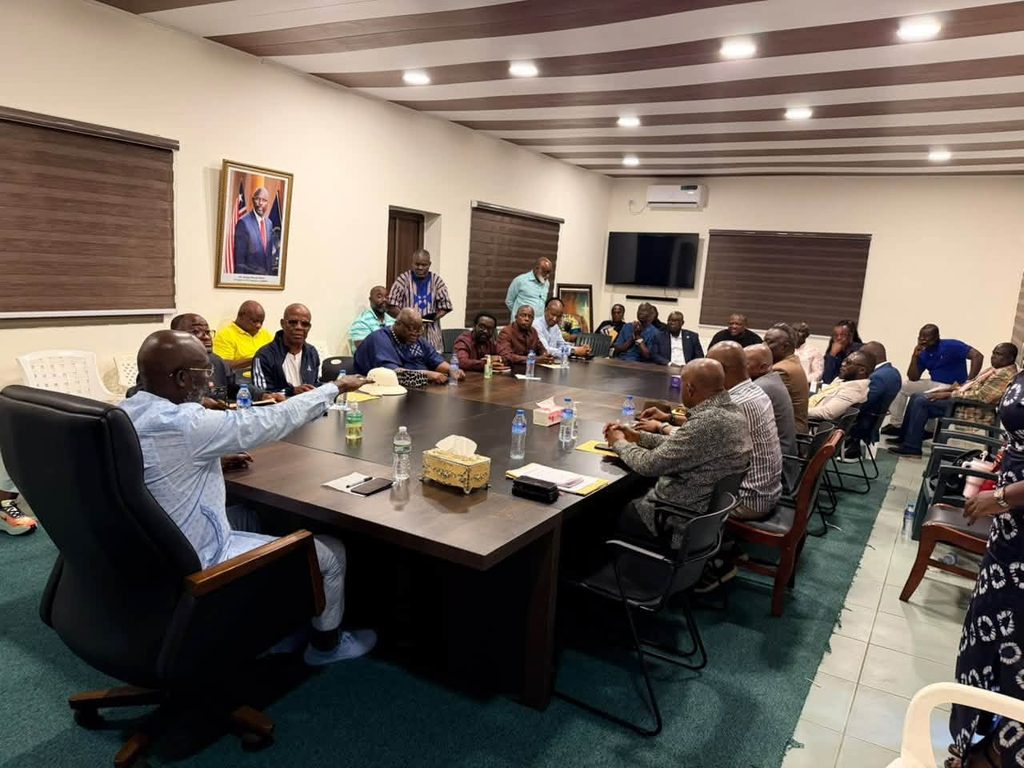
The emerging political contest became particularly visible on Saturday, September 5, when Unity Party lawmakers and allied political actors gathered in Gbarnga, Bong County, for a one-day strategic retreat, even as Weah hosted opposition figures at his Jamaica Resort in Paynesville.
The two gatherings carried different immediate purposes, but together they offered an early glimpse of the political battle that could define Liberia’s 2029 elections.
In Gbarnga, the governing coalition openly discussed how to preserve and strengthen the political alliance that carried President Joseph Nyuma Boakai and Vice President Jeremiah Kpan Koung to power in 2023.
At Jamaica Resort, Weah was seeking to bring opposition personalities and parties into a broader conversation about cooperation and a possible challenge to the governing establishment.
The Unity Party caucus meeting, held under the theme “Fostering Legislative Caucus Solidarity, Towards 2029,” brought together lawmakers and political representatives from the Unity Party, Movement for Democracy and Reconstruction (MDR), National Independent Movement for Boakai (NIMBO), and other political formations and independent lawmakers.
But the meeting quickly moved beyond legislative solidarity.
Koon Makes 2029 Objective Explicit
House Speaker Richard Nagbe Koon removed much of the ambiguity surrounding the gathering’s political purpose.
Koon said the retreat was intended to produce a policy paper explaining how the Unity Party would accommodate other political parties and institutions within the governing coalition.
But he went further, declaring that the gathering had a central electoral objective.
“The essence of this gathering also, though we are yet to strategize, has one purpose, and the purpose is the re-election of His Excellency, the President, Joseph Nyuma Boakai, and the Excellency Vice President, Jeremiah Kpan Koung. That’s the major essence.”
Koon predicted that, with national support and the necessary logistical arrangements, Boakai and Koung could be re-elected “overwhelmingly in the first round.”
He called for a committee to begin working with lawmakers across the various districts and to coordinate presidential and vice-presidential visits, ensuring strong receptions for the two leaders.
That proposal points to something larger than maintaining a legislative alliance. It suggests the ruling coalition is beginning to build an organized political structure capable of reaching voters at the district and county levels well before the formal 2029 campaign begins.
Moye Warns Coalition Against Internal Fractures
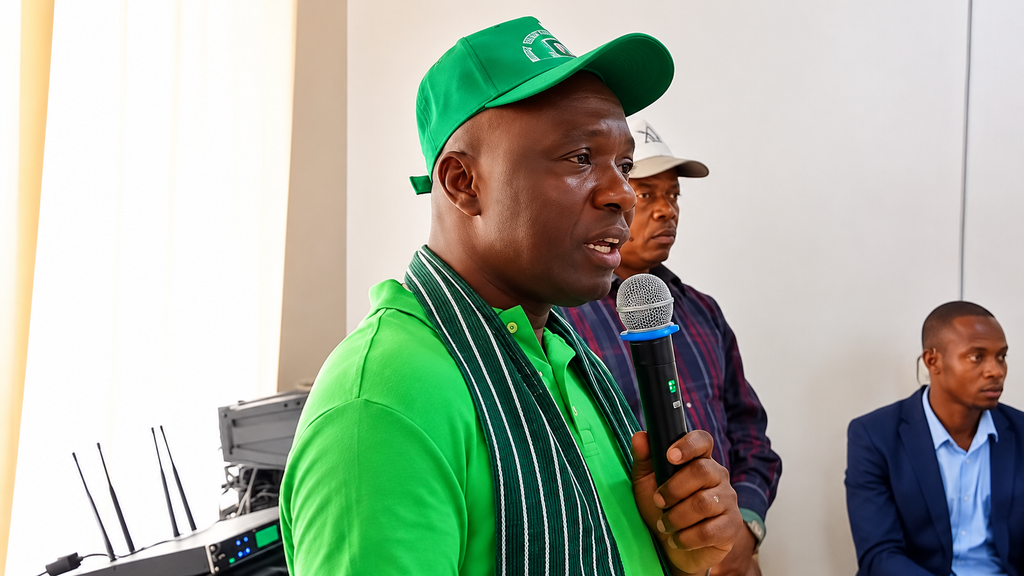
Senate President Prince Moye, meanwhile, focused on the danger of internal division.
Moye said moving toward 2029 would require strong teamwork and urged lawmakers to consider one another’s interests, remain transparent and stay committed to the coalition.
“Moving forward towards 2029 needs a strong teamwork.”
He warned that attempts to undermine or divide the legislature could eventually damage lawmakers in their own districts as potential challengers begin positioning themselves for the next election.
Moye also singled out the forthcoming reconfiguration of legislative committees and leadership positions as a potentially critical period for the survival of the caucus.
His warning was blunt: grievances must be addressed rather than allowed to become political fractures.
“The only way we can hold together is to remain together as a caucus and not to show a semblance of division.”
Koung’s Message: Learn From the “Scars”
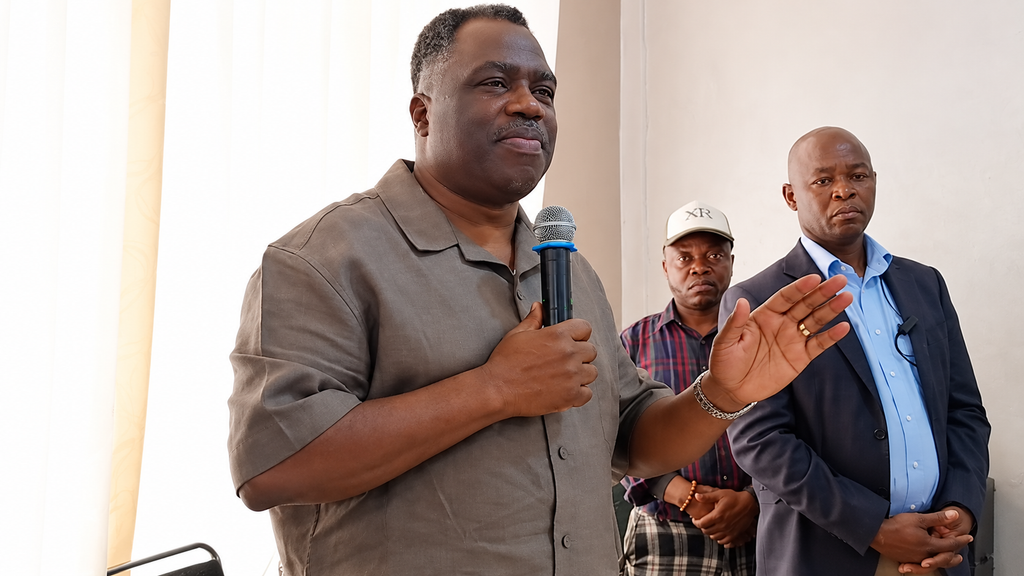
Vice President Koung’s intervention took a different direction and should be distinguished from the explicit electoral strategy articulated by Koon.
Koung told lawmakers that every successful person carries scars from the struggles that brought them to where they are.
He defended the ability and intelligence of legislators who had persuaded tens of thousands of voters to elect them.
“There are no stupid people in the legislature to convince over 50,000, 60,000, 100,000 people to represent them.”
Rather than laying out a 2029 campaign plan, Koung urged lawmakers to learn from their experiences and the difficulties they had overcome.
“We are going to learn from you today. We are going to learn from your scars.”
He then broadened the message to the responsibilities of national leadership, correcting himself after initially referring to 103 national leaders and clarifying that the figure was 105—73 representatives, 30 senators, the President and the Vice President.
His central appeal was that those entrusted with national authority must focus on the millions of Liberians they represent.
“It is incumbent upon us, the 105 of us, to look out for the 5. some more million people. To keep this country stable, safe, and moving forward.”
MDR Reaffirms Its Place in the Coalition
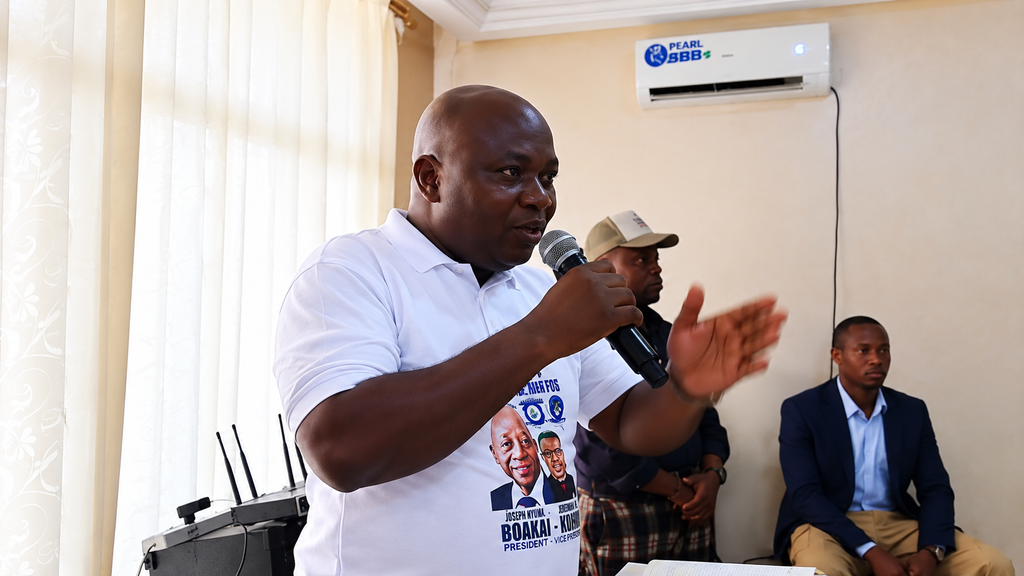
Nehker E. Gaye of the MDR described the relationship between his party and the Unity Party as a continuation of the political cooperation that began in 2023.
He said the MDR legislative caucus viewed the Gbarnga retreat as an opportunity to deepen collaboration and advance the government’s agenda.
“Our gathering here today should be a testament, a demonstration of our commitment to move the country forward and moreover to be able to take each other’s political party interest very important.”
The remarks underscored an important reality for the governing coalition: maintaining power in 2029 will depend not only on the Unity Party itself but also on its ability to manage the interests of the parties and political movements that form its broader alliance.
NIMBO Demands Serious-Partner Status
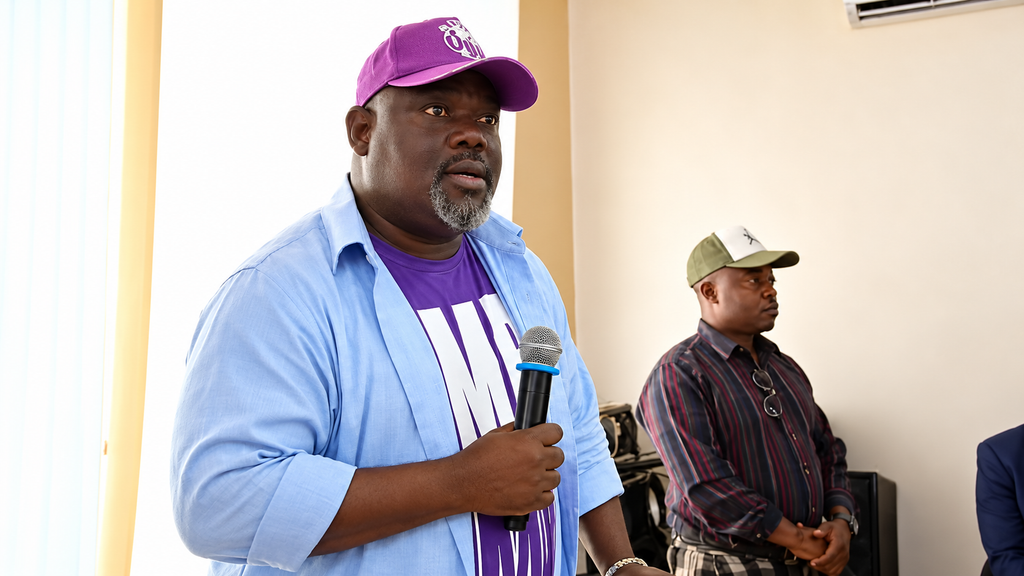
Deputy Speaker Thomas Fallah, the vision bearer of NIMBO, delivered perhaps the clearest message about the coalition’s expansion.
Fallah rejected any suggestion that NIMBO had been pressured into working with the governing party.
“NIMBO is here with a clear objective, NIMBO is here with a clear intent, we were not coerced, we were not forced, we decided to come to be of help.”
He urged the Unity Party to treat NIMBO as a serious political partner rather than simply an auxiliary organization.
Fallah also pointed to the presence of lawmakers elected on CDC and independent tickets, describing their participation as something the governing coalition should “cherish and protect with respect.”
His intervention effectively placed coalition management at the heart of the 2029 conversation: the Unity Party wants allies, but those allies increasingly expect recognition, influence and respect.
Meanwhile, Weah Tests the Opposition
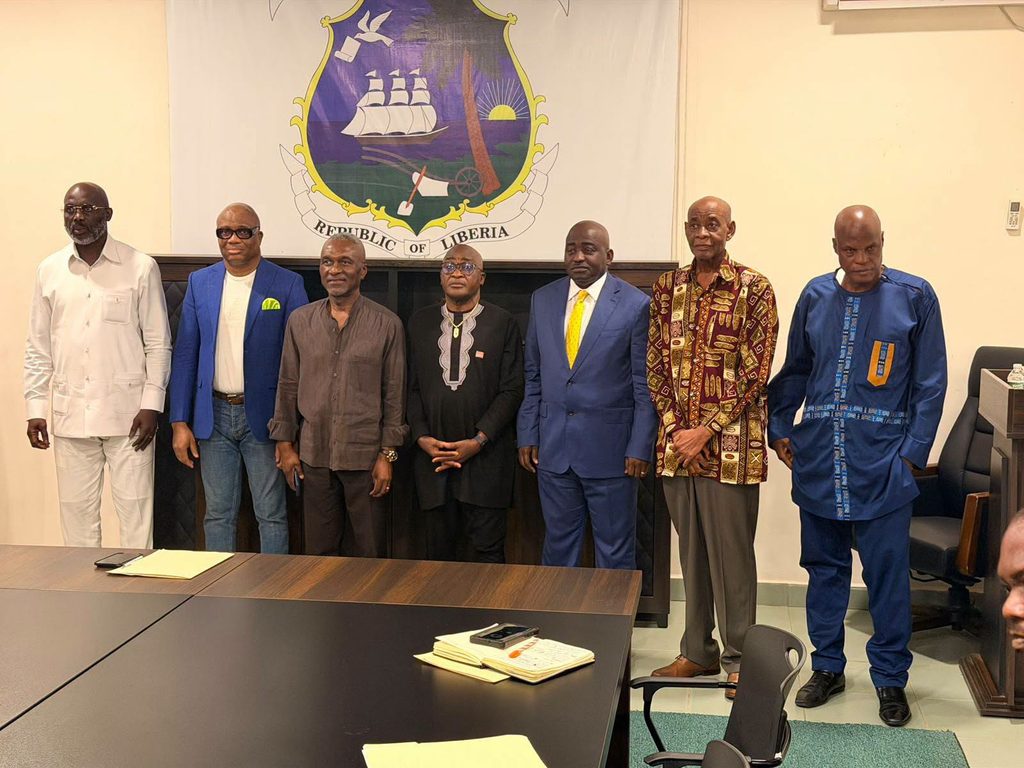
The political maneuvering in Gbarnga came as Weah sought to accomplish something similar on the opposition side.
The former president’s Jamaica Resort gathering brought opposition figures into discussions about cooperation, solidarity and the possibility of building a stronger political front against the Boakai administration.
But the opposition gathering has also exposed the difficulties involved in creating unity among parties and personalities with different interests and competing leadership ambitions.
That contrast is significant.
While the governing coalition is attempting to hold together and expand an existing alliance, the opposition is attempting to assemble a new one.
Both efforts, however, are ultimately aimed at the same political horizon.
Liberia’s 2029 Battle Is Already Taking Shape
Saturday’s developments suggest that the 2029 contest has entered an early organizational phase.
The Unity Party is looking beyond the immediate business of governing and openly discussing how to preserve political power, coordinate its legislative forces, accommodate allied organizations and strengthen its presence across Liberia’s districts.
Koon’s call for a policy framework and district-level mobilization makes that strategy particularly clear.
The opposition, meanwhile, faces the equally difficult task of converting Weah’s enduring political influence into a disciplined coalition capable of challenging an incumbent administration.
For the ruling side, the danger is fragmentation.
For the opposition, it is disunity.
And for both camps, the ultimate test will not simply be how many politicians can be brought into a room, but whether those political alliances can translate into convincing answers to Liberia’s economic, social and governance challenges.
For now, however, the message from Gbarnga is unmistakable.
The Unity Party is preparing early for 2029.
And across the political divide, George Weah and opposition actors are beginning their own effort to ensure they are ready when the contest for Liberia’s next presidency finally arrives.
For breaking news, in-depth analysis, and exclusive reports from Liberia and around the world, follow The Liberian Post on Facebook (https://web.facebook.com/profile.php?id=61576017166570) and X, formerly Twitter (https://x.com/LiberianPost).